The Los Angeles Department of Water and Power (LADWP) has come a long way in recent years. In just 15 years, LADWP has decreased the amount of energy they get from coal from 44% down to under 13%, proving that the Department and the City are able to make the changes needed to get off of fossil fuels.
LADWP has an ambitious goal to reach 100% carbon-free energy by 2035, ten years ahead of the state's goal. Whether or not Los Angeles meets this goal, and how they do so, will set a huge precedent for other cities and the state. So, what will it take for LA to get there?
LADWP currently owns four gas power plants in the LA basin: Scattergood in El Segundo, Haynes in Long Beach, Harbor in Wilmington, and Valley in Sun Valley. Getting to 100% clean energy will require LADWP to transition the roughly 42% of electricity they currently get from coal and gas generation to clean and renewable sources.
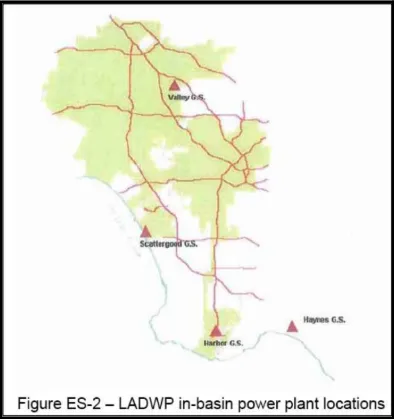
How Los Angeles reaches 100% carbon-free energy is a critical piece of the puzzle – not all roads to 100% are created equal. Right now, LADWP plans to convert their four in-basin power plants to burn a blend of hydrogen and methane, with a goal to eventually reach 100% hydrogen combustion.
What Is Hydrogen Combustion and What Could It Mean For Los Angeles?
Hydrogen is all the rage in California, given the announcement of the ARCHES hydrogen hub. But hydrogen is not a silver bullet and it certainly is not the right choice for Los Angeles. Los Angeles’ air quality is some of the worst in the nation and burning hydrogen will not help the situation. While 100% hydrogen combustion does not release carbon dioxide, it does emit Nitrogen Oxides (NOx). NOx emissions can cause respiratory illness, respiratory infections, and asthma. Moreover, NOx emissions can react with other pollutants in the atmosphere to form particulate matter and ozone. Ozone itself is a greenhouse gas that is contributing to climate change, once again proving that hydrogen combustion is not a truly clean technology.
Making hydrogen is also not an easy feat. Green hydrogen, which is made using renewable energy sources as opposed to fossil fuels, is by far the least polluting type of hydrogen. However, even green hydrogen requires large amounts of water and energy to produce it – In an area plagued with drought, like Southern California, this is not a smart endeavor.
SoCalGas has also gotten in on the hydrogen game recently. SoCalGas has proposed the Angeles Link Pipeline, a series of pipelines running through Southern California to transport hydrogen from producers to offtakers, like LADWP.
In addition, transitioning LADWP’s power plants to burn hydrogen will actually keep gas online for the foreseeable future because LADWP plans to first burn a methane and hydrogen blend until the plants can transition to 100% hydrogen at a later date.
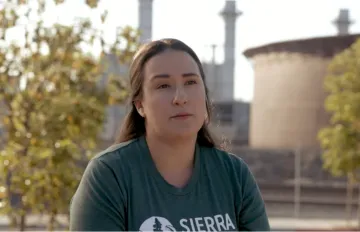
Recently Angeles Chapter communications volunteer Sabrina Claros directed and produced a short documentary on hydrogen energy and the risks associated with it. Watch it here.
Real Clean Energy Solutions
That said, Los Angeles has long been a trendsetter and they have the opportunity to set the stage once again as an environmental leader. We believe that LADWP can meet its 100% clean energy goals by investing in sound clean energy resources like battery storage, solar, and wind. In-basin battery storage projects can help LA address reliability concerns and increased transmission from outside of the LA-basin can bring in more clean energy resources. LADWP can and should also invest in distributed energy resources including rooftop solar, small-scale battery storage, community solar, vehicle to grid programs, and more. Investing in these resources will help decrease energy demand and will also address reliability concerns.
The Clock Is Ticking
As 2025 ticks on, we are just 10-years away from LA’s critical goal. The choice LADWP makes now on how to reach 100% clean energy will either make Los Angeles a respected trend setter in clean energy solutions or will lock Angelenos into new, risky, and extremely expensive combustion technology.