Water is one of California’s most essential shared resources. Every day, communities depend on safe and reliable drinking water, yet the systems that make that possible are often overlooked. Keeping water affordable while strengthening these systems is one of the most important challenges facing the state.
Understanding this challenge starts with recognizing the value of tap water in our daily lives.
Water utilities provide water for roughly $5.00 per hundred cubic feet (CCF), or 748 gallons. That comes out to less than a penny a gallon. By comparison, a gallon of bottled water purchased at a store often costs $2.00. That equates to $1,500 per CCF, or 300 times more than tap water. These values matter to our customers who use an average of 12 CCF or almost 9,000 gallons per month.
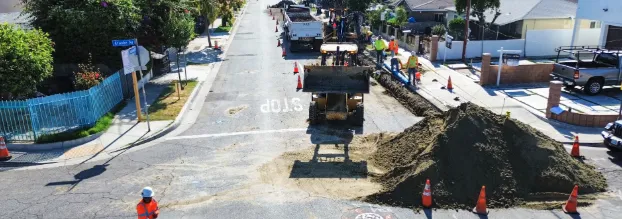
At the same time, the cost of maintaining and strengthening water systems is increasing. In recent years, broader economic pressures have increased the cost of living for households, businesses, and water providers. These pressures are reflected in higher costs for insurance, electricity, fuel, construction materials, and labor.
For regulated drinking water providers, these are the same costs required to maintain and strengthen the infrastructure needed to keep water systems safe, reliable, and resilient for the communities they serve. Customer bills are the primary source of funding for this work, supporting the workforce, materials, and long-term investments needed to sustain these essential systems.
As these costs increase, rates must be thoughtfully managed to ensure water service remains affordable while continuing to invest in the systems communities depend on every day.
Conservation plays an important role in California’s water future. Across the state, customers are using water more efficiently, reflecting a shared commitment to responsibly steward a limited resource. Regulated drinking water providers are proud partners in this effort, offering programs and rebates that help customers reduce use and manage their bills.
In some cases, small programs can make a significant difference for customers. One customer experienced a sharp increase in their monthly bill, which rose to more than $500 due to an undetected leak in their yard piping. Unable to afford the repair, the customer faced ongoing high costs and continued water loss. With assistance to fix the leak, their monthly bill returned to approximately $35. Experiences like this have informed the development of programs that help customers identify and repair leaks, reducing water waste while keeping bills manageable.
At the same time, conservation changes how water systems are funded. It takes substantial infrastructure, pipelines, pumps, wells, and storage, to produce, treat, and deliver water safely. Most of the costs to maintain these systems are fixed and do not decline when water use decreases.
As water use declines, the revenue used to support water systems also declines, even as the need to maintain and strengthen infrastructure remains and in many cases increases. This creates a challenge: how to continue investing in safe, reliable, and resilient water systems while supporting ongoing conservation.
As a result, rates adjust over time to ensure continued investment in the systems communities depend on every day. This is not a failure of conservation or mismanagement, it is the reality of sustaining safe, reliable, and affordable water service in a system where most costs are fixed.
This is why continued investment in water systems is so important. Deferring investment does not reduce costs, it shifts them, often in ways that are far more disruptive and expensive for customers and communities.
The consequences of deferred investment are not hypothetical. In the Sativa water system, which Suburban Water Systems (SWS) became responsible for in 2022, went years without adequate maintenance or oversight, leading to persistent customer complaints about discolored, undrinkable water. The system’s previous governing body was ultimately dissolved after failing to address these issues, and SWS is now investing in significant upgrades. This includes replacing undersized pipelines that limited water quality flushing and fire protection, as well as installing treatment to address naturally occurring contaminants.
As water pipes age, they deteriorate and require more frequent repairs and shutdowns. As a result, service becomes less reliable and interruptions become more common. These disruptions carry real costs for customers. A loss of basic water service can affect sanitation, lead to health issues, and cause missed work or school. In those moments, many households turn to bottled water, an option that is significantly more expensive and takes money away from other essential needs.
The impacts extend beyond individual households. Businesses may be forced to close temporarily, losing revenue, while employees lose income. Reliable water service is not just a convenience; it is essential to maintaining public health and economic stability in the communities we serve.
Water quality is equally critical. Safe drinking water is fundamental for cooking, cleaning, and daily life. As scientific understanding evolves, new standards require additional treatment to address emerging contaminants. The cost of failing to protect water quality is far greater than the cost of prevention, including higher healthcare expenses, lost income, and reduced confidence in tap water. When trust in tap water declines, customers often turn to more expensive alternatives like bottled water.
For regulated drinking water providers, investing in infrastructure is how we maintain safe, reliable, and resilient systems. This includes replacing aging pipes, upgrading treatment facilities, and ensuring adequate storage and backup power. While these investments are reflected in rates over time, they are essential to sustaining the systems communities depend on every day.
To keep water safe, reliable, and affordable, California must continue to support thoughtful policies and long-term investment in the systems communities depend on every day.
By Craig Gott
Craig Gott is the President of Suburban Water Systems, a regulated drinking water provider that serves safe, reliable and affordable water to 300,000 people in east Los Angeles County. He has demonstrated state and regional leadership with chair and board director roles with water industry and business associations. Craig is currently serving as a member of the LA County Water Plan - Small, At-Risk Water Systems Task Force.