Photo by iStock.com/svekitd
By Elise Sanchez
As the end of the year approaches, so do many holidays and festivals that center around gathering with our loved ones, families, and communities to feast. Many of those who have an environmentally conscious mindset start to worry about food waste and how we as a society can reduce the amount of food waste during this holiday season. Luckily, for those of us in Los Angeles, there are many solutions already in place to aid with food waste.
Halloween and Thanksgiving increase the consumerism for two specific products, pumpkins and turkeys. If we are paying attention, we start to feel the looming sense that our landfills are about to become much more full with these products.
In 2023 the United States alone produced 312 million pounds of food waste. Overall, municipal food waste contributed 24% of all waste, and is the third largest source of human-related methane emissions. When food is decomposing in landfills, rather than composted or disposed of properly, the methane gasses released rapidly increase the effects of climate change.
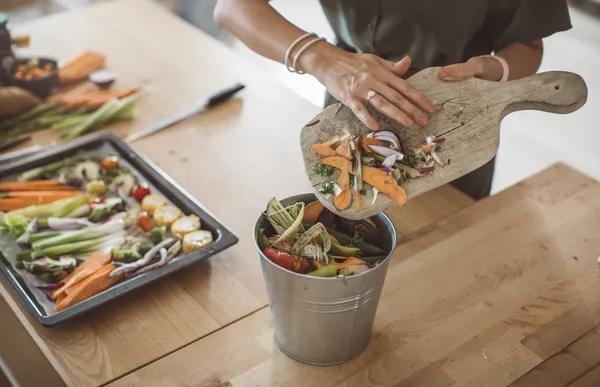
Luckily there is a solution for us to do our part in combating food waste. Founded in 2014, LA Compost, Southern California’s largest composting organization, provides Angelenos with accessible composting solutions and education fostering a sustainable future. The organization engages the community through their three pillars: Education and Empowerment, Community Compost Access, and Regional Compost Hubs. For many of us who are new to composting, they offer community classes, as well as guides on their website.
What is composting? As defined by LA Compost, it is: The process of decomposing organic matter. It is also the finished product of decomposed materials. Food scraps become compost or are composted.
Whether you want to start composting at home, or drop off scraps at one of LA Compost’s drop off booths, here are a few takeaways:
What can be composted/accepted?
- Green Items:
- Fruits and vegetables
- Ground coffee and teas (no bags)
- Egg shells (shell only)
- Green leaves and grass
- Old flowers
- Brown Items:
- Mulch/Woodchips
- Newspaper (torn or shredded)
- Twigs (broken)
- Sawdust from untreated wood
- Dead leaves (brown leaves)
What cannot be composted/accepted?
- Plastic (including produce stickers)
- Human or animal waste
- Compostable plastic bags (including bio bags)
- Meat and dairy
To find out where to get supplies to compost at home, or where and when to drop off composting materials to LA Compost and how you can support them, click here.
To combat the abundance of pumpkins going to landfills after Halloween, LA Compost has as annual Pumpkin Smash, where the community can drop off their pumpkins and smash, toss and break up our scary faced friends into composting piles. This year’s 2025 Pumpkin Smash is happening on November 7th, 8th, 9th, 14th, and 29th at their respective locations. This is one way that LA Compost uses both creativity and community engagement to combat the challenges of food waste in our community.
Another thing to keep in mind during the holiday season is our food system as a whole and our connection to food - Where does our food come from? Who is involved with gathering our food? Who is getting it to us? When we are getting rid of our extra food, and where exactly is it going? Being mindful of these questions and more when it comes to preparing our meals and our mindset for a new outlook and attitude towards how we gather and prepare our food is important and can be the main way we enact change in our daily lives.
While Los Angeles is one of the most affluent cities in the world, there are many communities who have been red lined and who suffer from food insecurity. During the holiday season, when we see that we have more than enough and have purchased more than we need, let us not forget to give to our neighbors and drop off our extra food to local food banks and pantries, so we can all eat this holiday season.
As we enter this holiday season, let us remember to be mindful of what we consume, mindful of how we discard our waste, and make sure that our tables are long enough to fit all of us, including those who are left on the margins of society.
Elise Sanchez is new to the Sierra Club, but has been a dedicated environmental and community advocate for years. She currently works for the National Audubon Society, where she works to engage local communities.