Sierra Club was among several community organizations who gathered at the Azusa Wilderness Park this month to celebrate the twelfth anniversary of the San Gabriel Mountains National Monument. The gathering was hosted by Nature for All and featured remarks by Representative Judy Chu and the Forest Supervisor of the Angeles National Forest, Jamahl Butler, as well as addresses from notable community partners, including API Forward Movement, the Council of Mexican Federations in North America (COFEM), and the San Gabriel Valley Conservation Corps. Representatives of the Gabrieleno Tongva Band of Mission Indians opened the celebration with a meaningful ceremony, grounding the gathering in tradition and honoring the cultural heritage that brought everyone together. The celebration culminated in a nature walk that explored the park’s distinctive ecological history and the lasting influence of its hydrology on the landscape. Overall, the celebration underscored the important role national monuments play in honoring cultural heritage, protecting the region’s ecological integrity, and bringing communities together.
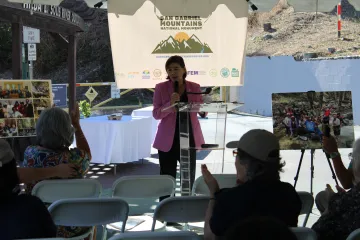
The San Gabriel Mountains National Monument was established on October 10, 2014 to make nature more accessible to all Angelinos while preserving the region’s ecological richness. Nearly a decade later, the White House expanded the national monument by 105,919 acres, increasing its total protected area to more than 452,000 acres. The monument’s designation and subsequent expansion were the result of years of dedicated advocacy. Moreover, it marked an important step toward protecting the region’s ecological connectivity and ensuring these landscapes remain accessible and resilient for generations to come.
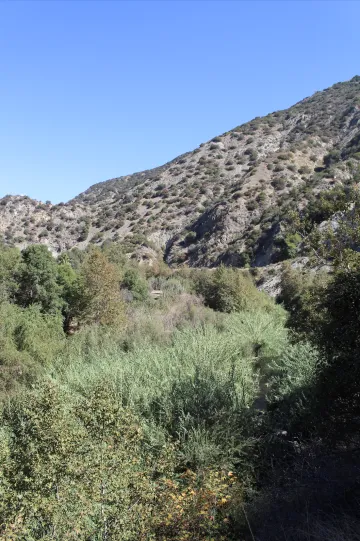
Among its many benefits, the national monument safeguards interconnected habitats that allow wildlife, including mountain lions, to move freely between the southern foothills and the rugged peaks in the north. In a region where open space is increasingly limited, protecting these connected and uninterrupted landscapes is essential to supporting wildlife populations, maintaining biodiversity, and ensuring long-term ecological health. That’s why it’s so important to continue advancing conservation efforts throughout the region.
In the end, protecting the future of the Angeles National Forest, including the San Gabriel Mountains National Monument, depends on continued investment in conservation and a lasting commitment to stewardship of the land. That said, there are still portions of the Angeles National Forest, particularly in the northern region, that remain unprotected and warrant our attention. Right now, we have a unique opportunity to bridge these conservation gaps and build a more comprehensive network of protected lands for generations to come. May this anniversary serve as a beautiful reminder of what we can accomplish together and inspire us to keep going.