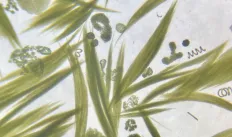
Harmful algal blooms (HABs) occur when simple photosynthetic organisms that live in the sea and freshwater grow out of control and produce toxic and/or harmful chemicals that harm land organisms, aquatic organisms, and ecosystems. The HABs in fresh and marine waters are usually very different, but they overlap in low salinity estuaries (places where rivers meet the sea).
HABs have been reported across the world, and their occurrence is on the rise. HABs affect not only the health of people and marine ecosystems, but also the "health" of local and regional economies.
Prevention is the best solution. The best method for reducing algal blooms is by stopping the runoff of excess nutrients from lawns, gardens, sewage treatment plants, agricultural operations, and concentrated animal feeding operations (CAFOs). When algal blooms do occur, there are methods to mitigate the harm. Physical controls include aeration, hydrologic manipulations, mechanical mixing, surface skimming, and ultrasound. Chemical management of algal blooms includes the use of algicides, barley straw, coagulation, and flocculation. Steps to control climate change and proper management of sewage wastes will also help decrease the occurrence of problematic algal blooms.
We invite you to join our Listserv -GN-HAB-SUBTEAM - Membership is open to any interested persons.
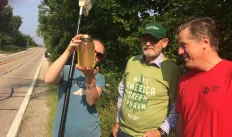
We also welcome activists to join our Citizen Science Project to investigate and take action on HABs problems in your areas.
Resources
- Sierra Club Grassroots Network Toxics Team's Harmful Algal Blooms (HABs) SubTeam presented a webinar, Rights of Nature: Saving Lake Erie by Sean Nestor, a grassroots organizer from Toledo whose focus is on promoting democracy and citizen empowerment as a solution to social problems. A recording of the webinar can be accessed here on our YouTube channel.
- EPA/Office of Research and Development webinar series on harmful algal blooms (dates listed on the webinar home page)
- The Great Lakes HABs Collaborative webinar series on HABs mitigation and treatment, featuring cutting-edge research and technology on harmful algal bloom interception, treatment, and adaptive management. Dates and information on the series located on this Great Lakes HABs Collaborative webpage.