My daughter Bobbi was born in 2014 in New York City during a polar vortex. The winter storm swept through the city, closing roads and knocking out power and because it also probably triggered my contractions, added a sweet eight pound baby to the dense population and a total transformation of my life.
Before she was born, I worked as a public health nurse, making home visits to low-income first-time moms in Brooklyn. Mothers and babies were my bread and butter so I thought I knew what to expect. It’s true that my knowledge of infant care and my certification as a lactation consultant did give me some confidence in those first weeks, but you don’t know til you know what chronic sleep deprivation is or just how vulnerable it feels to have a part of your soul break off and exist inside another body, over which you have limited control. I came out of that hospital a different person than the woman who went in.
I quit working for pay and so Bobbi and I spent our days inside a small one bedroom apartment in a prewar walkup. To be frank, it was isolating and we were broke. When it finally got warm enough, I couldn’t wait to venture outside because I needed warmth and beauty and people. But I also needed a space that didn’t charge us to exist, not an easy feat in New York City. That’s when I found The Highline - a 1.45 mile long elevated park built on a former New York Central Railroad spur on the West Side of Manhattan.
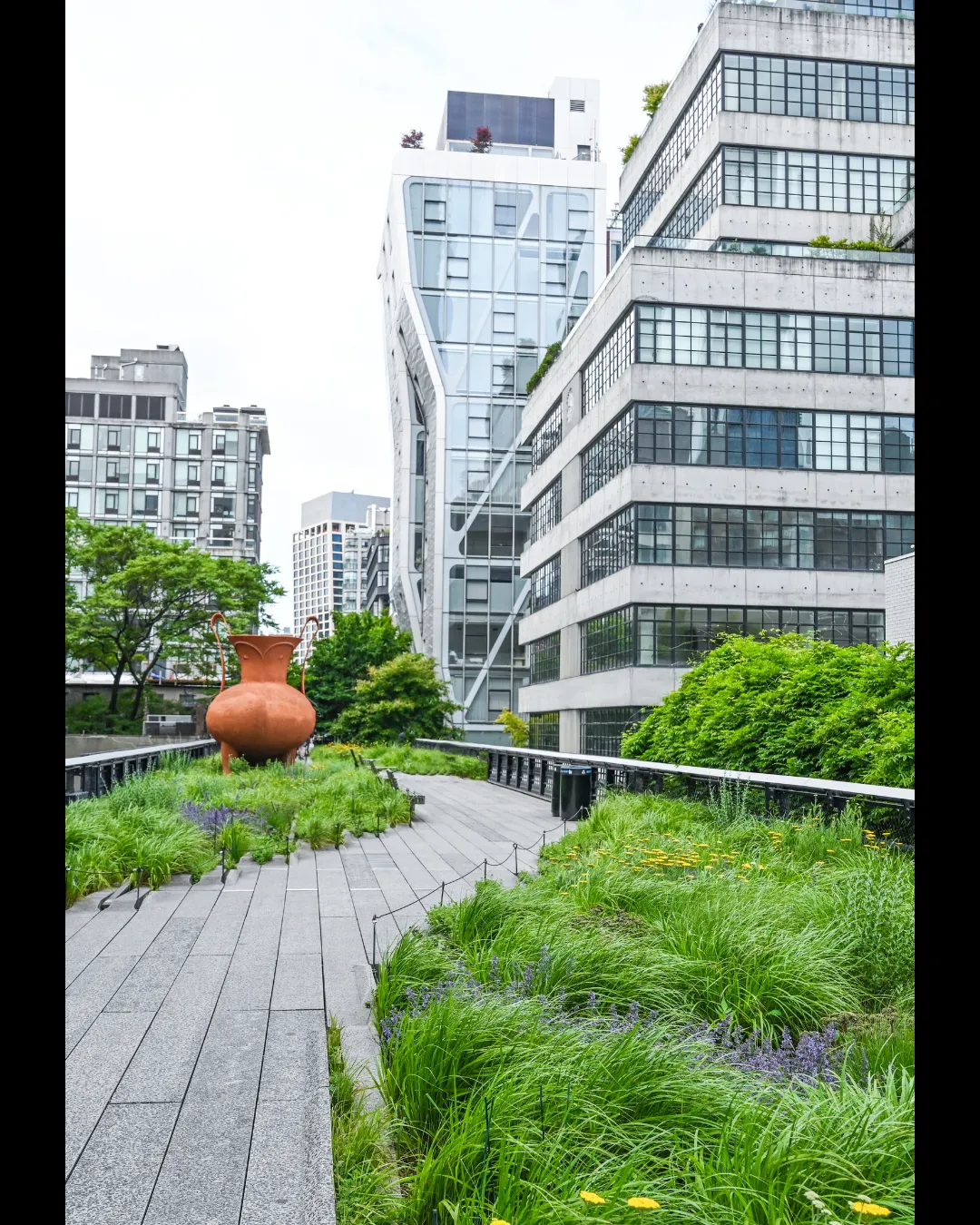
It was more than ten years ago when I first visited, so my memory is foggy. But when I close my eyes and imagine The Highline, I think of climbing the dark metal steps that begin on Gansevoort Street with Bobbi on my chest in her baby carrier. The sound of the street falls away as I climb and by the time I reach the top the traffic becomes background to birdsong. We are surrounded by a bright woodland composed of whitespire birch, white flowering dogwoods and multi stemmed serviceberries. It is the Gansevoort Woodland.
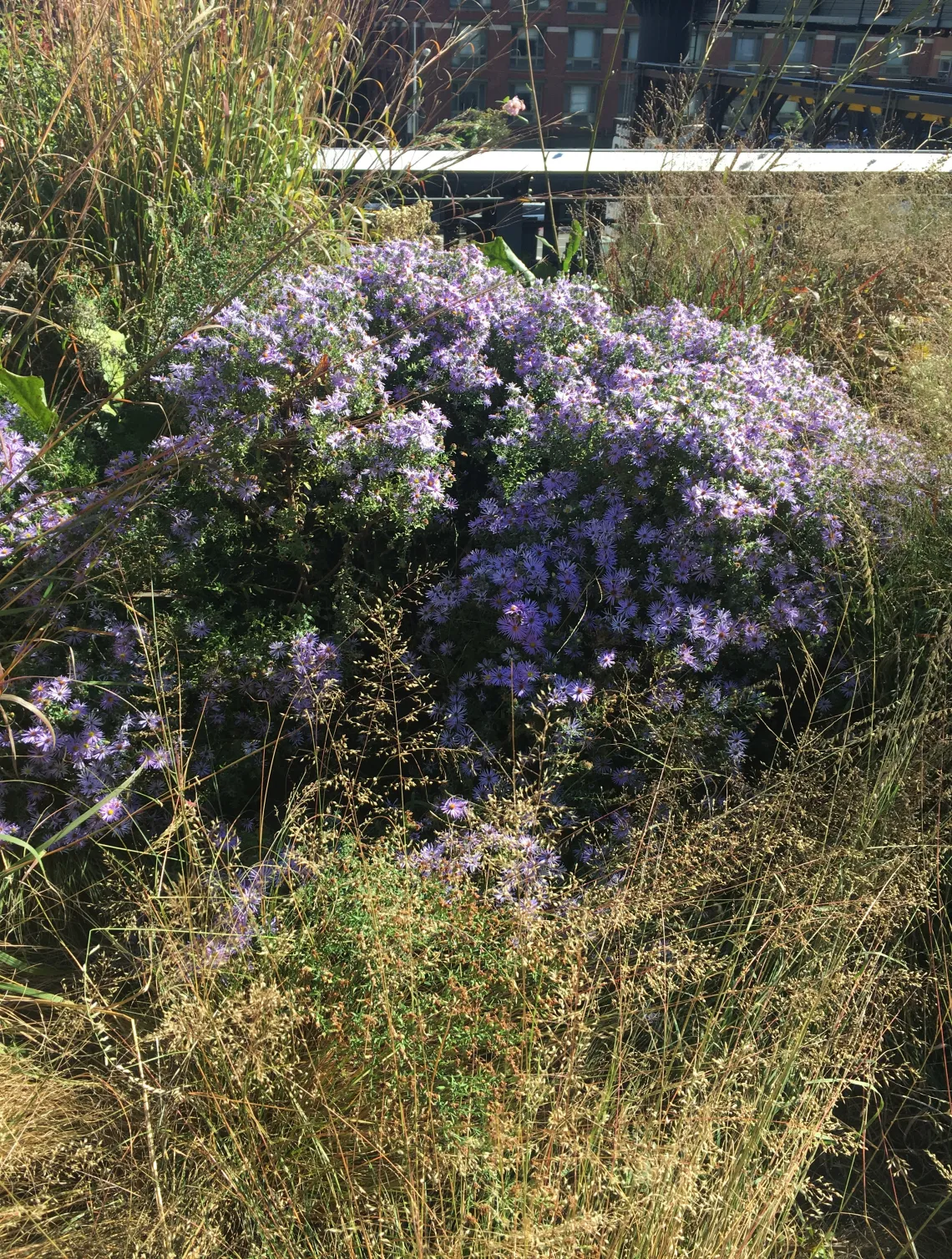
The highline train track had been abandoned for decades before it was purchased by the community in 1999 and transformed over the next decade into a public promenade. In its abandoned form, nature swooped in and planted all sorts of native and naturalized plants, resulting in a band of wilderness that supported birds and insects only a couple of stories above the busy streets of the meatpacking district. The neighbors didn’t want to lose that wild feeling so after a robust search for designers, they landed on a team that included Dutch plantsman Piet Oudolf, a leader of the New Perennial movement.
New Perennialism bucks the formality of traditional gardens and embraces the dynamism of a plant's life cycle and efforts to disperse. The naturalistic designs of the movement ask us to question what beauty is. Sweeping grasses are mixed with wildflowers and the skeletons of tall plants are left in winter for the beauty in their shape and brown color AND for the sake of the insects living there and birds feeding on the seeds. Right on.
This dance between ecology and beauty became an obvious hit for me. As a nurse and a mom, I value nurture and there is no way to prepare a future for my children and their children without considering the earth, even in our home gardens, which must be beautiful.
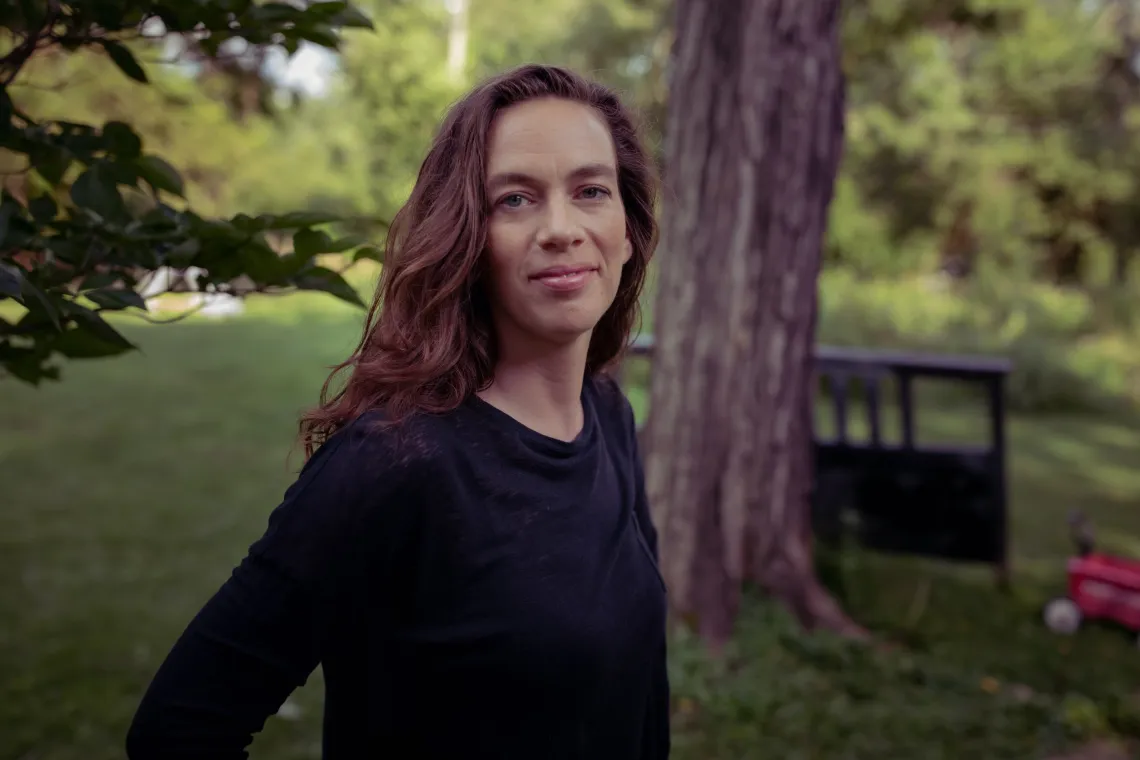
When we moved back to Indianapolis (my hometown) in 2016, I mourned the loss of my trips to The Highline, but went straight to work planting my garden (and advising others) using natives and friendly nonnative perennials and I found it is possible to achieve ecological bounty and beauty in our gardens!
A few years ago, I also began planting straight-species natives that are well suited for use as cut flowers and floral foliage - plants with a long vase life that handle well and fulfill certain design qualities in their shape and color. Florist Becky Ruby-Wojtowicz of Lily Lane Flowers in Broad Ripple acknowledged the increase in demand from clients for sustainably grown local flowers and graciously incubated my idea.
Last winter, a layoff from my job as a journalist was just the impetus I needed to lean into my love of native plants and garden design. I don’t want to wear the analogy all the way out, but I am thinking of the cycle of birth and death the way New Perennialsts see it. There is beauty here, and opportunity.
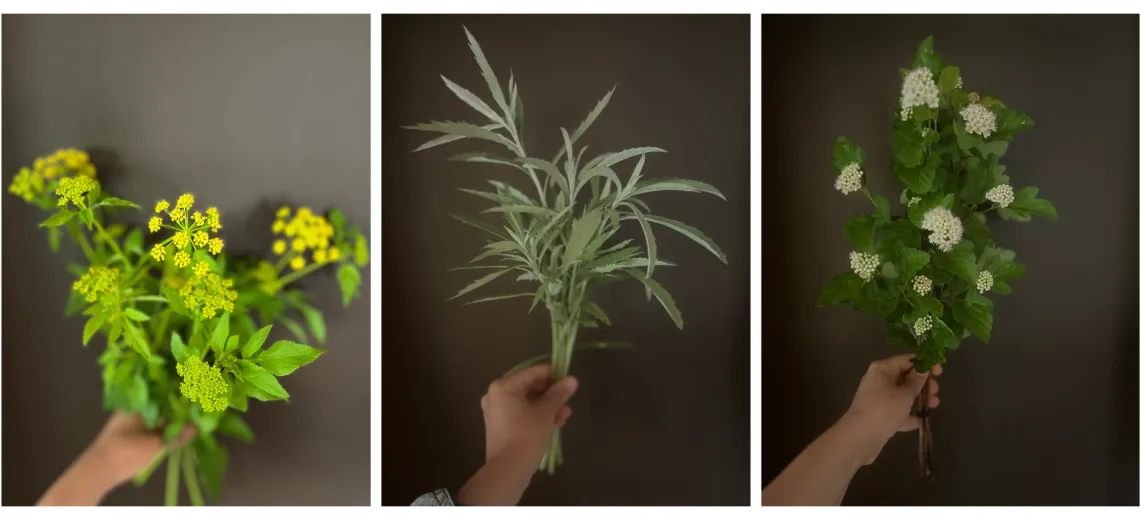
Straight species native, Common Ninebark (Physocarpus opulifolius) as cut flower filler. This flowering plant is a nectar source for insects and provides excellent cover for birds. All photos: Amy Gastelum.
And so, this spring, I officially launched Velma Jean Native Plants and Cut Flowers LLC, a micro cut flower farm and garden design business named after my grandmothers Velma and Jean that uses Reproductive Justice as a lens for the operation. The tenets of the movement, including control over one’s body, one’s self expression and the right to parent children in safe and healthy environments necessarily call to mind how women and gender nonconforming people show up as their full selves in the workplace, how bodies doing physical labor are valued and how respecting nature affects subsequent generations of people. This relates to ecology in that I don’t use pesticides or herbicides on my farm, I don’t use peat, a non-renewable resource, I limit the use of plastic wherever possible and I collect rainwater for irrigation, just to name a few things. Ultimately, I am thinking about my health, my children’s health, my neighbors and their honeybees when I’m making decisions about how to operate. You can learn more from the video I made for my successfully funded Kickstarter here.
Our flowers can only be bought wholesale by florists and designers, so if you’d like to include some Velma Jean flowers in your special event, tell your florist or contact Becky at Lily Lane! On-site gardening consults that pull from my experience as a public health nurse (think supportive goal-setting and motivational interviewing) are available to everyone.
Follow me on Instagram and visit us online at velmajeanflowers.com to learn more. Happy planting!
Amy Gastelum
Velma Jean Flowers
Interested in finding out more about native plants? Consider volunteering for our Conservation Committee, joining us on one of our hikes, or visiting the pollinator path our volunteers helped establish in Columbus IN!