A Factory Farm in Stevens County Threatens Water, Air, and Farmers
Marya Hart
Stevens County is where Minnesota’s arid western prairie begins. Driving west from the Twin Cities, you pass through rolling prairie dotted with pothole lakes. Once you come over the hill at Morris, the county seat, the land flattens out, and lakes are fewer. Population is sparse too. Morris had about 5,000 people when I was growing up there; that number hasn’t changed. The county is largely agricultural.
The 150-mile-long Pomme de Terre River runs south through the county and flows into the Minnesota River via Marsh Lake, south of Appleton at the Lac qui Parle Wildlife Management Area, home to a dazzling variety of birds and other wildlife. But before that, the southern course of the river isn’t too exciting; it is muddy and fishing yields mostly bullheads. But the region’s farmers and small towns rely on that water.
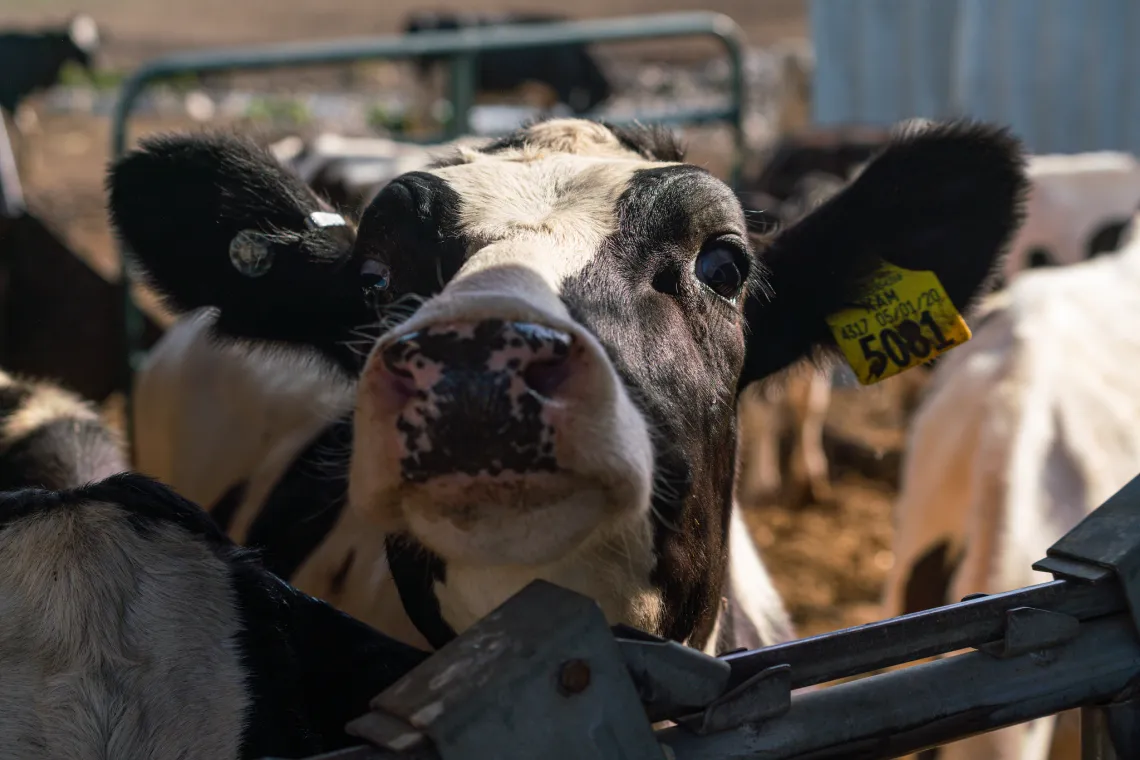
Now the Pomme de Terre watershed—and the people and wildlife who use it—is threatened by a huge, disruptive dairy operation. Riverside LLP, the second-largest producer of milk and milk products in the US, is proposing a major expansion in Stevens County. Its West River Dairy will house almost 19,000 cows, more than 60 times the amount of the average Minnesota dairy farm, according to the Land Stewardship Project (LSP), which has been monitoring and organizing opposition to the operation.
Despite extensive public comment and concerns about manure contamination, groundwater loss, and economic impacts on smaller farmers, the Minnesota Pollution Control Agency (MPCA) decided in June that a full Environmental Impact Statement for West River was unnecessary and the project is scheduled to go ahead, with the county’s approval guaranteed.
It’s difficult to believe that a feedlot this massive, using almost as much water as the city of Morris, with a 250 million gallon manure lagoon, would not affect the environment. And, unaddressed by the environmental review process, but crucial to the survival of local farmers, is West River’s potential economic impact on small scale dairy farms and small towns in the area.
LSP hasn’t given up. They’re appealing the MPCA decision in court. They’re also encouraging public comments to the Minnesota Department of Agriculture, which is studying the socioeconomic effects of large-scale dairies.
We encourage you to read up on the issue at LSP’s website and submit comments to the Ag Department. But hurry; the deadline is October 1st! You can find guidance for comments and a link to submit at LSP’s website.
If you live in the area, you have a personal stake. But those who live in a distant city can show solidarity with Stevens County’s small farmers as well. You could ask what the impact of increased concentration in agricultural production means to the state. Polluted water flows downstream: the Minnesota River is considered unhealthy by the MPCA due to sediment, phosphorus and nitrogen. Air pollution and climate-changing chemicals from factory farms do not respect county boundaries. Large-scale farms can drive smaller ones out of business, thereby endangering food security and using tax subsidies for antisocial ends. What hurts the small farmers on the Minnesota prairie hurts us all.
The author grew up in Stevens County, and volunteers at North Star Chapter