In the past several decades, Black Bears (Ursus americanus), have begun a comeback in Texas. Originally found throughout our state, most Black Bears disappeared from Texas by the 1950s.
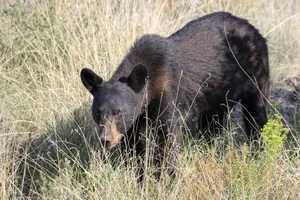
However, we are blessed with a burgeoning population in Big Bend National Park in West Texas. The source of these bears is from Mexico. In Guadalupe Mountains National Park the source of Black Bears is New Mexico.
Confirmed sightings have also been made in Northeast and East Texas in recent years, probably from bears that come from Louisiana, Arkansas, or Oklahoma. Some Black Bears have also been seen in the Panhandle, Hill Country, and the Lower Rio Grande Valley.
Black Bears are a non-game animal and are protected as a threatened species. It’s against the law to hunt, harass, or kill them. Penalties of up to $10,000, civil restitution fines, jail time, and loss of hunting privileges are possible if you kill a Black Bear.
Black Bears are large mammals, about 5-6 feet long, 2-3 feet at the shoulder, weight 200-300 pounds, and have black to brown fur. These bears can climb trees easily but are usually found walking on the ground. They are omnivores and eat leaves, fruits, berries, nuts roots, tubers, insects, herptiles, and small mammals. Black Bears can strip bark from trees in search of insects or pulp and will often rub themselves on trees.
These bears breed in June-July and may hibernate during the winter. Two or three cubs are born in January-February, every other year. The cubs stay with the mother bear for about 1.5 years. Females mature in 3-5 years.
Black Bears, while not as aggressive as Grizzly Bears, can injure or kill humans. They should be treated with respect and not provoked. “Bear Sense” and safety should be practiced if Texans want this native fellow mammal to continue its comeback.
Black Bears have an excellent sense of smell and fall provides them with an opportunity for last meals before they den in large hollow trees, brush piles, thickets, rock crevices, and caves for the winter. Denning starts in November and can last until late May. Male bears have a home range of over 31 square miles while female bears can have a home range of 8 square miles.
Garbage, pet food, or corn from deer feeders, are easy pickings for Black Bears. It’s important not to allow bears to find food left by people. Bears can become habituated to people and lose their natural fear. This creates a more aggressive bear when it searches for food. Don’t ever intentionally feed bears.
People who go outdoors in bear country should stay alert and together, keep dogs leashed, double bag food/trash, and keep this in bear-proof containers during hiking/camping. Don’t store food, trash, the clothes you wear when cooking, or toiletries in your tent. Store these items in bear-proof containers, out of sight in a locked vehicle, or at least 10 feet above the ground and 10 feet away from all trees.
If you meet a Black Bear don’t approach it. They are usually shy and unaggressive; you can often scare them away with rocks, slingshots, or air horns. If you meet a bear in a close encounter, talk calmly while backing away slowly. Don’t make direct eye contact. Don’t run since this may trigger a bear’s chase instinct.
If the bear continues to approach you, stand your ground, raise your arms, backpack, or jacket to appear larger, and yell. If you are attacked, don’t play dead. Fight back aggressively with anything available. Let the Black Bear know that you are not easy prey! You can carry bear spray, but you must know how to use it in a safe manner.
If you hunt, keep your camp clean, discard gut piles well away from your campsite, use automated feeders hung high so bears can’t reach them, switch bait from corn to soybeans, and plant food plots to attract deer and not bears.
At home, tell your neighbors if you see a Black Bear or any evidence of its presence. If you see a Black Bear, contact a Texas Parks and Wildlife biologist or game warden and tell them about it.
Keep your grill clean and store it in a secure area. Remove bird feeders when there is bear activity and ensure there is no trash/food scraps left outside your home or other buildings. Electric fences and unwelcome mats, made from rough wood with nails or brads, can be placed under windows, at doors and fence openings, and around outdoor freezers and refrigerators to keep bears away.
We can assist the Black Bear in its continued life in Texas. But we need to be safe and use “Bear Sense” when we live or visit near its home. Then we all benefit and can live together.
This article is based upon Information from the Texas Parks and Wildlife Department about bear safety and its “Bear Sense” program.
Black Bear, Chisos Mountains, Big Bend National Park, Texas. Photo copyright Al Braden.