People and the environment are inextricably linked. The air we breathe, the food we eat, and the water we drink have enormous impacts on our health and wellbeing. Everyone has the right to live, work, learn, and play in environments that promote and protect health.
Traditional approaches to environmental health focus on reducing exposure to environmental harms – toxins and pollutants created by humans and industry. Common examples include nitrogen dioxide (NO2), fine particulate matter (PM2.5), microplastics, per- and polyfluoroalkyl substances (PFAs, also called ‘forever chemicals’), lead and mold.
Climate change can exacerbate these risks and introduce new harms. As carbon emissions continue unabated and temperatures rise, climate effects are being felt in real time. Extreme weather, extreme heat, increased spread of vector-borne disease and climate anxiety are all important issues at play. The good news is actions that mitigate climate change typically carry important health benefits, often referred to as co-benefits. For example, as cities move to electrify transportation fleets, carbon emissions are reduced and fewer toxins are emitted. What’s good for the planet is good for us – we call these win-win solutions.
At Sierra Club DC, we take a holistic approach that considers the way climate & environment affect human health. We also embed principles of environmental justice throughout our work. Due to historic and systemic discriminatory practices, environmental burdens are not equally shared. District residents suffer extreme inequities, and often the most marginalized populations are exposed to the most environmental harms. We commit to ensuring that our advocacy efforts begin from the principle of delivering environmental justice.
Current Focus Areas
- Air quality: Adult and pediatric asthma rates are higher in the District than the national average. According to the CDC’s most recent data (2023), childhood asthma prevalence was the third highest in the country at 9.1% (national 6.7%). Solutions that can help to improve air quality include congestion pricing, clean transportation, and vegetation barriers along high traffic roadways.
- Extreme heat: The number of extreme heat days (> 95 F) in the District are expected to triple over the coming decade. Extreme heat poses serious risks, especially to sensitive populations such as older adults and pregnant women. Solutions that can help combat extreme heat include increasing tree canopy coverage, leveraging heat-reflective surface coatings, and improving affordable access to clean cooling technology.
- Food security & nutrition: In 2025, 37% of District residents experienced food insecurity. Across the broader region food insecurity has reached a five-year high, exceeding even peak pandemic rates. Solution areas include strengthening and diversifying the local food ecosystem and encouraging urban agriculture and community gardens.
Mental health & wellbeing: Connection with nature is essential to support mental health and wellbeing—sharpening focus, lowering stress, and improving mood. However, in our modern world, this is not always prioritized or accessible. We support efforts to expand urban forestry, protect parks, and make green spaces easier to reach.
- Mental health & wellbeing: Connection with nature is essential to support mental health and wellbeing—sharpening focus, lowering stress, and improving mood. However, in our modern world, this is not always prioritized or accessible. We support efforts to expand urban forestry, protect parks, and make green spaces easier to reach.
Get Involved
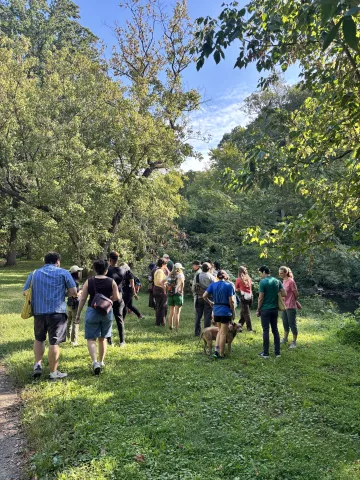
Are you interested in learning more or becoming involved? From legislation tracking and preparing policy briefs to community outreach and engagement, there are lots of ways to contribute. We welcome a diversity of perspectives and experience, no prior expertise is needed.
Just check the DC Chapter calendar for our schedule of committee meetings and RSVP to the next one.