 The Magazine of The Sierra Club
Hope and Alarm Reverberate Across the National Park Service
Staff reflect on the 109th anniversary of one of America’s most beloved institutions
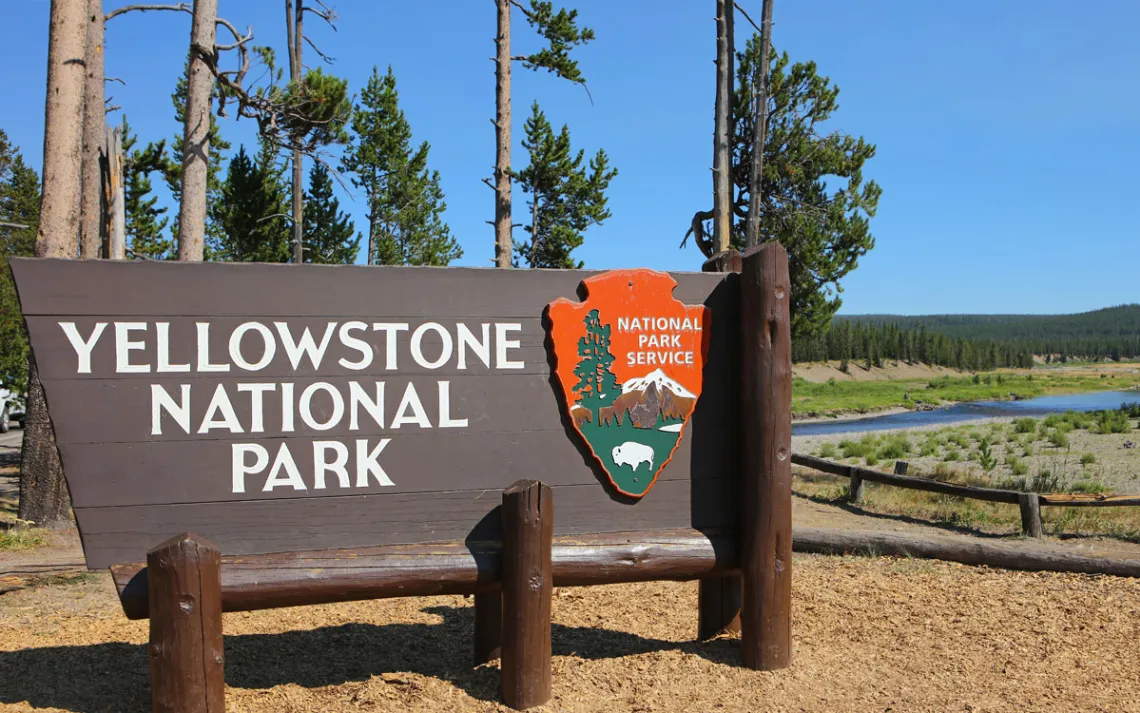
Photo courtesy of JurgaR/iStock
Of the country’s more than 640 million acres of shared federal land, few parcels generate more awe, adoration, and visitors than national parks. Children and their parents nestle in front of park rangers, who offer campfire talks about exploding geysers and thundering bison. People pull over to snap pictures of elk herds and ogle soaring eagles. And kids raise their hands, promising to uphold the Park Service’s mission as junior rangers.
The National Park Service’s more than 400 parks, historic sites, and landmarks capture the imagination, preserve the country’s shared cultural heritage, and tell difficult stories about our history. They’re also one of the best defenses for fragile landscapes and declining species in the face of climate change and an ever-developing world.
Yet on the eve of the National Park Service’s 109th birthday, August 25, these sites face grave threats from draconian budget cuts, probationary firings, hiring freezes, and early retirements.
“The hiring freeze is directly impacting parks right now, and if it continues, it will be detrimental to many, many active programs happening,” said one Park Service employee who was granted anonymity for fear of repercussions for speaking with Sierra. “Every person is being asked to do so many different jobs just to get by.”
One Northeast national historic site opened only two of three visitor centers this summer and cut back daily tours by 25 percent, according to a park ranger familiar with the situation. Their job and several others were funded by the Inflation Reduction Act. As a result of the Trump administration's priorities, their job and others will be cut at the end of September, which means programming will end a month early.
At that point, the site will have only 12 of its 23 full-time employees, barely enough to keep the facility open to the public. When asked if the Park Service would end its hiring freeze, the Department of the Interior told Sierra that it would not comment on personnel matters.
According to a tribal liaison who also requested anonymity for fear of retaliation, the loss of their position at a Southeast national park site will undermine relationships between the park and more than 20 tribes who once lived on the land or consider it sacred. The tribal liaison had been working with one local tribe to finally be able to harvest a native plant used for generations to make traditional baskets. The plant only grows in the national park site, and the plan would allow tribal youth to learn the craft from the last remaining elder with basket-making knowledge.
“Now that I’m not there and people aren’t in my role, those agreements may not happen, or may slow down,” the former Park Service employee said. “Or the tribes might not have trust any longer. There’s so much nuance that will be lost without that position.”
“There’s a diminishment of resource protection on a daily basis in national parks."
It’s those longer-term impacts to the country’s irreplaceable cultural and natural resources that worry rangers and park observers the most. Because while this summer the cuts and new mandates resulted in trail closures, communications glitches, and fewer campfire talks, experts say the full breadth of the fallout, including attempts to whitewash history, may take years to realize.
“There’s a diminishment of resource protection on a daily basis in national parks,” said Kristen Brengel, senior vice president of government affairs for the National Parks Conservation Association. “There are fewer people ensuring a wildlife population is healthy or who notice when invasive plants are taking over a river corridor.”
A ranger at a park in Southern California described how the park’s understaffed maintenance department can barely tackle day-to-day jobs. Any long-term projects simply aren’t being addressed. The ranger likened it to house projects—neglecting small issues will quickly cause deterioration. “It’s the same with park buildings,” they said.
Many of those park and historical site buildings are one of a kind. They aren’t theme parks where everything can be replicated, said Jeff Mow, former superintendent of Glacier National Park. Mow and others worry about fewer rangers and eyes on the landscape protecting historical artifacts and precious natural resources from visitors, either people intentionally looting areas or those who may simply be reckless or need reminders to stay on boardwalks and not traverse sensitive terrain.
“If you are a parks lover or someone who recreates in parks or on public lands, it’s your duty to pay attention. We are all in this together.”
But current and former Park Service employees say that damage isn’t a foregone conclusion—the Park Service remains what Wallace Stegner described as “the best idea we ever had.” American author and New York Times contributor Terry Tempest Williams recently expanded on this idea, taking account of the fact that these lands belonged to tribal nations long before they did to all Americans. “These lands are an inheritance of all Americans that is shared with the world,” Williams wrote. “They are ancestral lands of tribal nations that have been prayed over for eons.”
Record numbers of people are still visiting the parks this summer, even amid the struggles. And heroic teams of rangers, volunteers, and other staff are still working to keep parks and sites open and safe. It’s why many of the rangers and others who spoke to Sierra on and off the record for this story say the parks—and their stewards—require the public’s help and support now more than ever.
One ranger encourages the public to share Park Service stories, tell friends and loved ones about their favorite parks, plan ahead, and visit parks. Don’t take them for granted, the ranger added. Just because they’ve always been here doesn’t mean they always will be.
“If you are a parks lover or someone who recreates in parks or on public lands, it’s your duty to pay attention,” another ranger said. “We are all in this together. This is all of our land.”