Moein Moradi/Pexels
Sections
- What are wildfires?
- What causes wildfires?
- Where do wildfires occur?
- Are wildfires always a bad thing?
- Are wildfires getting worse?
- Learning to coexist with wildfires.
What are wildfires?
A wildfire is an unplanned and uncontrolled fire that burns in a natural area of combustible vegetation.
What causes wildfires?
Wildfires can ignite from natural sources like lightning and volcanic activity, but human activities cause approximately 85%. Below are some common examples of the latter
Electrical equipment
Faulty electric equipment and inadequate maintenance have caused terrible wildfires in recent years. Downed bare-wire power lines pose a significant threat because they can remain energized, superheating dry grass or brush upon contact. Additionally, overgrown vegetation touching live wires can create dangerous arcs. These risks are exacerbated in bad weather. For instance, conductors may clash in high winds, generating high-energy sparks and molten metal particles that kindle nearby fuels.
The 2018 Camp Fire, one of the deadliest and most destructive wildfires in California history, ignited on November 8, 2018, in Butte County, California, and was caused by a faulty electrical transmission line owned by Pacific Gas & Electric Company (PG&E). Strong winds rapidly spread the fire, devastating communities like Paradise, Concow, and Magalia. The fire burned 153,336 acres, destroyed over 18,000 structures, and claimed 85 lives. PG&E later pleaded guilty to 84 counts of involuntary manslaughter and faced billions in liabilities.
So too, the Dixie Fire that destroyed the town of Greenville, California, in 2021; it was caused by a tree coming into contact with a bare-wire electrical line, also owned and operated by PG&E.
Another more recent devastating incident was the 2025 Los Angeles chaparral/ urban wildfires. Investigators are still exploring the potential causes, but numerous lawsuits have already been filed against Southern California Edison (SCE) for people who lost their homes in the Eaton fire. Fire agencies are currently investigating whether SCE equipment also played a role in the start of the Hurst fire.
Human error
Human error is a leading cause of wildfires, responsible for 84–90% of all cases in the US. This encompasses preventable mistakes, negligence, and reckless behavior. Here are some shocking statistics:
According to the US Forest Service, unattended campfires have caused 11,463 fires on its lands since 2006.
In 2017, wildfires caused by cigarettes resulted in $6 billion in property damage 41% of global households dispose of waste in dangerous, uncontrolled ways, including open burning
Human-error wildfires tend to be more destructive because they can spread twice as fast as lightning-caused ones and raze "double or triple" the number of trees as natural fires due to higher intensity. Finally, most human-error wildfires occur near urban areas, increasing the risk of structural damage and complicating firefighting.
Out of Control Planned Fires
Planned fires, also known as controlled burns or prescribed fires, are intentionally set to manage vegetation, reduce wildfire risks, and promote ecosystem health. However, when conditions change unexpectedly, such as strong winds, dry weather, or human error, these fires can escape containment and become wildfires.
For example, the New Mexico Hermits Peak Fire of 2022 started as a prescribed burn but got out of control due to high winds and dry conditions. Eventually, it merged with another wildfire, burning 341,471 acres before containment was achieved.
Arson
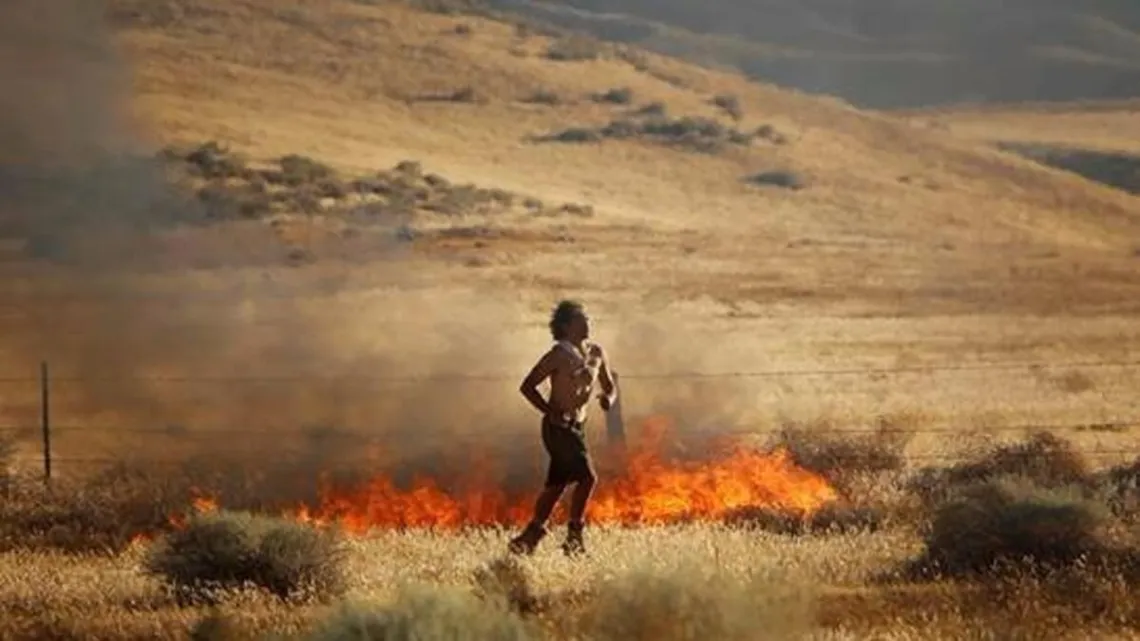
The most disturbing cause of wildfires is arson. Gianni Muschetto, staff chief of law enforcement at Cal Fire, said about 10-15% of wildfires in the last five years were linked to arson. 2022 was a particularly bad year for the state, with 162 arson-related arrests. It’s not just the West Coast that deals with this criminal behavior; wildland arson is the second-leading cause of fires in Eastern US federal forests. Like human-error wildfires, arson fires are concentrated in urban interface areas and create the same complexities.
It might be difficult for a law-abiding citizen to understand why someone would commit arson. The truth is, there’s no such thing as a stereotypical arsonist. Psychologists have identified some common characteristics, including problems with communication and impulsive habits, but motives are often difficult to pin down. Even more disturbing is that a third of wildland arsonists are firefighters. There’s now a rising urgency to understand the psychology of arson.
Arsonist caught on camera setting fire/public domain
Where do wildfires occur?
Wildfires can occur anywhere, but they’re most common in regions with dry climates, abundant vegetation, and a history of fire activity.
Forests
This wildfire occurs in heavily wooded areas where trees and underbrush are the primary fuels. All forests, even tropical rainforests like the Amazon, are at risk.
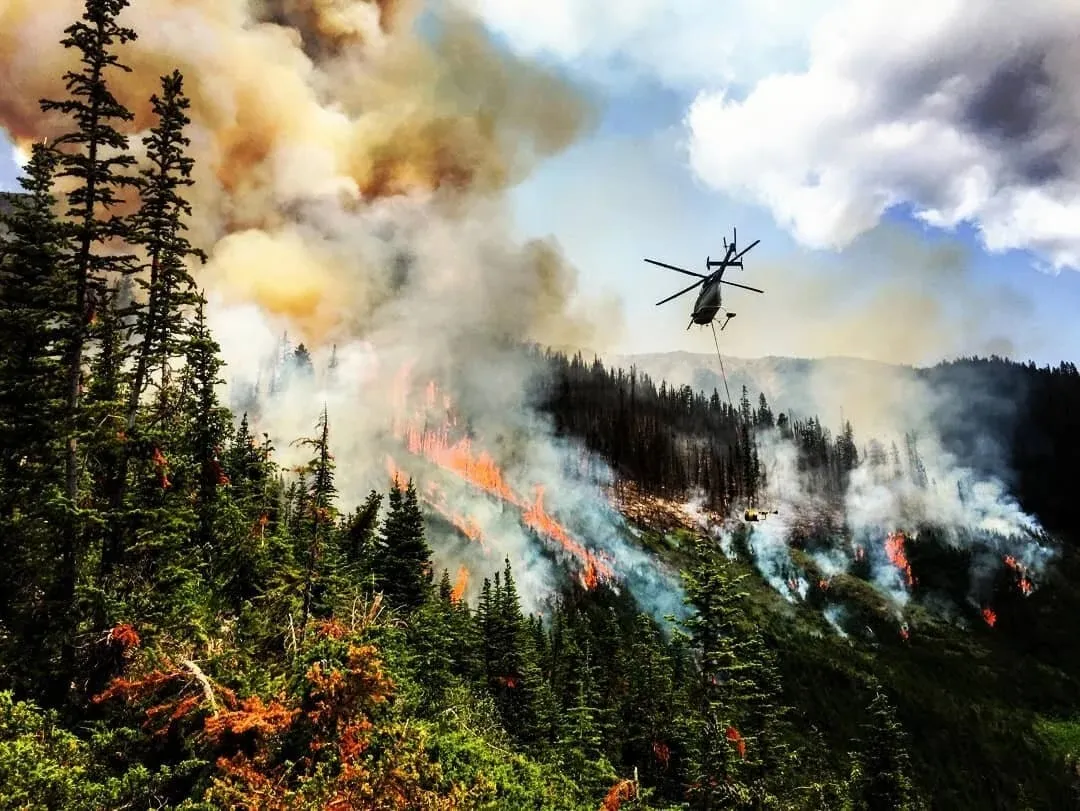
Forest fires fall into three categories: ground, surface, and crown. Most forests have low ignitability but high sustainability and combustibility, meaning they may not ignite for decades, but, when they do, produce devastating results due to intense heat and difficulty extinguishing.
This is especially true with wind-driven crown fires. Steep slopes also exacerbate their intensity.
In the US, forest fires burn the majority of acres annually, even though they account for only 27% of wildfires, compared to 64% for grassland and shrubland. In 2020 alone, forest fires burned 10.1 million acres nationwide.
One of US history's most infamous and consequential forest fires was the 1910 “Big Blowup,” which engulfed 3 million acres of forestland in Montana, Idaho, and Washington. The fires led to over a century of misguided USFS fire suppression policies.
Wildland Firefighter Images/public domain
Grasslands
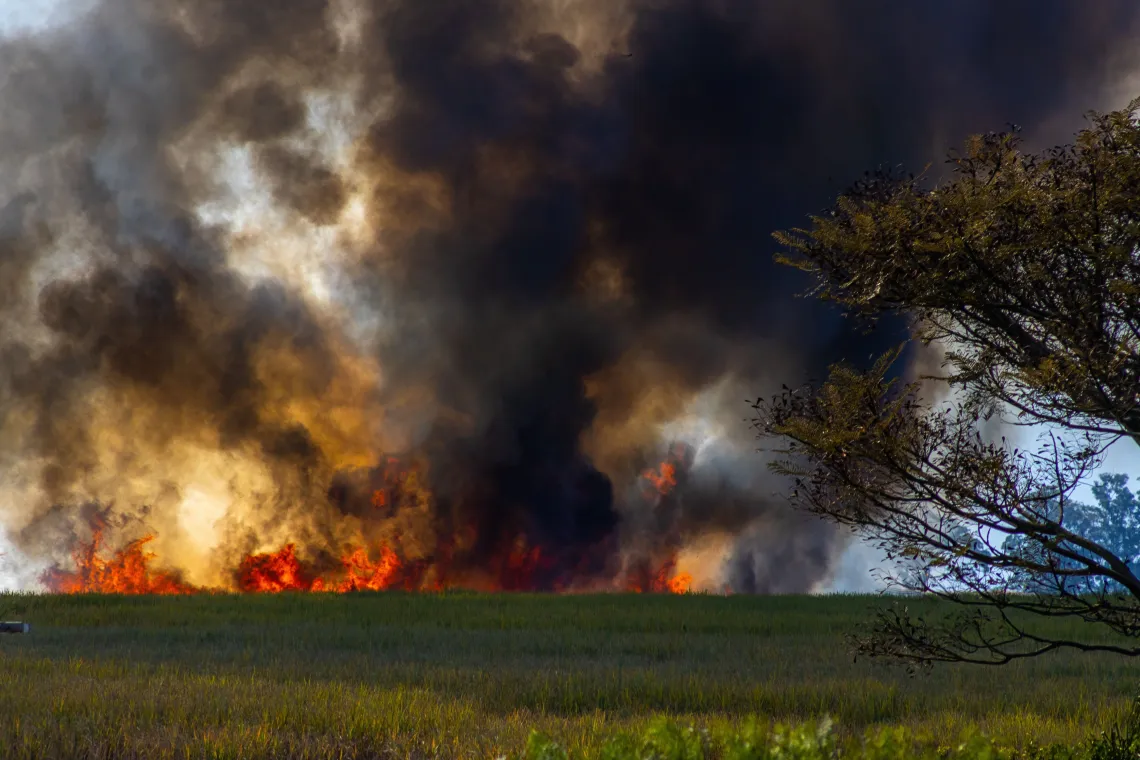
This wildfire burns primarily in prairies and savannas, areas covered by grasses and low-lying herbaceous plants that have been dried by heat and drought, and is ignited by a source. Dry grasslands have high ignitability, and grassland fires often move much faster, especially with windy conditions, than forest fires due to the dry, continuous fuels. Still, they burn at lower intensity and are less sustainable. Subsequently, they tend to occur more frequently but are generally less destructive and more controllable, unless near infrastructure or homes, where an urban fire can, secondarily, be ignited.
Grassland fires are part of the natural cycle. Still, overzealous fire management policies and unchecked land development, in addition to the effects of climate change, have expanded their reach and the destruction they cause. One example is the 2021 Kansas Four County Fire Complex, which was started by human-caused negligence. The fire burned over 163,000 acres, destroying homes, outbuildings, and other structures. Tragically, 1,400 cattle, horses, and other livestock perished, and two people lost their lives in the disaster. Another notable example is the 2024 Park Fire in Butte County, California, ignited in bone-dry grassland by human folly and, fueled by the wind, burned 429,603 acres and destroyed 192 structures before being contained.
Alexandre P. Junior/Pexels
Shrubland
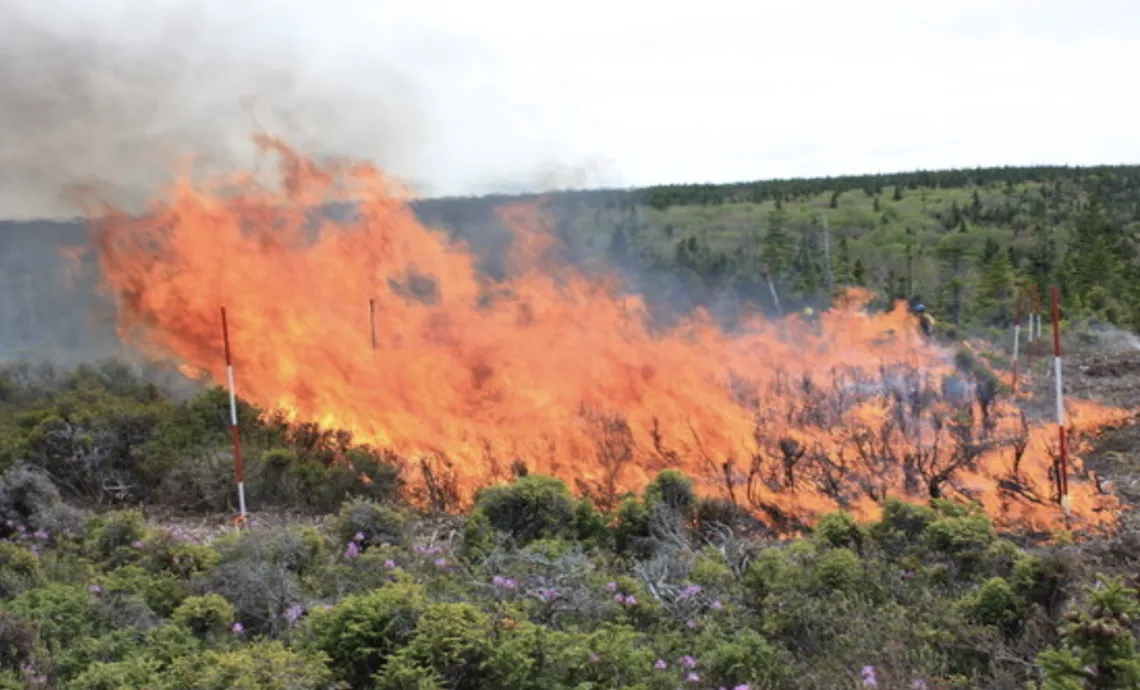
This type of wildfire occurs in dense shrublands, which are typically found in Mediterranean-type climates - hot, dry summers and mild, wet winters. In California, chaparral shrubland is characterized by drought-tolerant but highly flammable plants. Thus, shrubland fires are among the most destructive and volatile, especially when fueled by strong winds such as Santa Anas or Diablo winds. Under these extreme weather conditions, they can burn at incredibly high temperatures and even generate ember storms that devour homes.
Although shrubland fires sporadically erupted in the past, human encroachment and climate change have changed the status quo. Fires that used to occur every 30-100 years are now happening every 10-15 years, preventing full ecological recovery and accelerating biodiversity loss.
The 2018 Woolsey Fire started in chaparral terrain in the Santa Monica Mountains and quickly jumped to Malibu, burning almost 100,000 acres and ravaging over 1,600 structures. More recently, in January 2025, the LA Fires began with ignition sparks in chaparral adjacent to Palisades and San Gabriel Mountains and in shrub and grassland above Eaton. The fires burned over 57,000 acres, destroyed more than 18,000 structures, and tragically claimed 30 lives.
Shrubland fire/public domain
Urban areas
This wildfire is among the most perilous and costliest because it engulfs developed areas, razing homes and businesses. Unlike traditional wildfires, urban fires originate in wildlands before spreading into urban neighborhoods. They burn synthetic materials such as plastics and household chemicals, producing toxic smoke that poses health hazards. Urban fires are devastating due to the combination of unpredictable wildland fire behavior and proximity to dense human populations and assets.
The 2023 Lahaina Fire in Maui is a tragic example. Driven by hurricane-force winds and dry conditions, it raced through grassland into Lahaina town, killing 100+ people and demolishing 2,200+ structures, all of which culminated in $6+ billion in damages. It turned out to be the deadliest US wildfire in over a century. Another well-known incident is the 2021 Marshall Fire in Boulder County, Colorado, which began in open grassland and spread into suburban neighborhoods, destroying over 1,000 homes in just a few hours. In the LA Fires of January 2025, caused by a rainstorm of flying embers from burning chaparral, at least 30 people lost their lives, 200,000 people were forced to evacuate, over 18,000 structures were damaged or destroyed, and almost 58,000 acres were consumed.
Are wildfires always a bad thing?
Wildfires are natural events that, overall, benefit the health of forests, grasslands, and other landscapes.
Forest ecosystems have evolved to withstand and flourish in the aftermath of periodic fires of mixed intensity. Fire removes old brush, recycles nutrients, and disperses seeds while creating habitats for many species and predation grounds for others.
Grasslands also thrive with periodic mixed-intensity fires, which reduce woody plant encroachment, recycle nutrients, promote biodiversity, and can prevent larger, more destructive wildfires.
The best fire cycle for a given shrubland depends on its type, climate, and ecosystem needs. California chaparral shrubland, for example, thrives on high-intensity fires every 30-50 years to clear out old vegetation while allowing resprouting and seed germination.
Regular wildfires thus play an essential role in the health of forest, grassland, and shrubland ecosystems. However, when heat, drought, and wind create conditions beyond control, these wildfires can become extremely destructive to nearby communities, threatening lives and property. They can have significant long-term health impacts related to wildfire smoke. In 2017, researchers reported an estimated $200 billion in health damages associated with 20,000 premature deaths. PM 2.5, an air pollutant from wildfire smoke, is hazardous because it can travel deep into the lungs and enter the bloodstream.
Wildfires can also generate significant carbon emissions. However, they are minor compared to anthropogenic emissions.. In 2021, wildfires released approximately 1.8 billion tons of CO2, accounting for only 6% of global emissions for the past decade.
Wildfires incur economic costs between $394 billion and $893 billion annually.
Wildfires have profound benefits, and we need to learn to live with them better. We must also work harder to implement proven strategies to mitigate their consequences for people, property, and communities and to lower their economic burden.
Are wildfires getting worse?
Wildfires are worsening due to climate change and human activities, burning at least twice as much tree cover today as two decades ago. Even worse, fires account for a larger share of global tree cover loss than other factors, such as mining and forestry. Specifically, wildfires accounted for about 20% of all tree cover loss in 2001; now the figure is roughly 33%. Looking ahead, experts forecast global extreme fire incidents could increase by up to 14% by 2030, 30% by 2050, and 50% by the end of the century.
Climate change is one of the major factors behind this concerning trend. Extreme heat waves are already 5 times more likely than they were 150 years ago and are projected to become even more frequent as the Earth warms. Hotter temperatures lead to drier landscapes, the ideal setting for larger wildfires. Very worrisome, northern high-latitude regions are warming faster than the rest of the planet due to a phenomenon known as Arctic amplification. This matters a great deal because boreal forests contain 30-40% of global terrestrial carbon, making them one of the largest carbon stores in the world.
Human activities are not only stoking climate change but also directly contributing to worsening wildfires. As people clear more land for crops and livestock, the incidence of wildfires surges. When trees and vegetation are eliminated in large numbers, the forest’s natural protection against wildfires is gone. Furthermore, deforestation leaves behind dry undergrowth and fallen debris, which are easily flammable. This is especially problematic in dry areas. Trump’s recent decision to roll back environmental protections, exposing 58% of US national forests to logging, will no doubt exacerbate the situation.
Use of technology to combat wildfires/public domain
What are the best wildfire risk reduction strategies?
Thinning and prescribed fires pose different problems. “Thinning” is often practiced without regulation or an environmental impact assessment, and is merely logging for profit that can make forests more, not less, flammable, especially when it involves practices like clearcutting. What’s most concerning, though, is that the politics of thinning encourage more logging. The timber industry has effectively promoted the idea that thinning trees can prevent large wildfires, influencing public perception and political support for logging practices that, according to skeptics, are geared towards accessing high-quality wood.
Prescribed burning has unique challenges. It can be risky and escape control. It releases smoke into the atmosphere in areas that would otherwise not experience natural wildfires. It is a low-intensity fire and can be undertaken in areas that would benefit more from mixed-intensity fire. Additionally, the time window for fire agencies to set fires is limited.
Conversely, home/community hardening mitigates wildfires without damaging the environment and, unlike thinning and prescribed burns, has proven value for protecting people and their property from wildfires. Retrofitting homes with ember-resistant vents, non-combustible roofing, and ignition-resistant siding materials, among other measures, establishes a protective barrier against flying embers and direct contact. Coupling this with defensible space around a structure's perimeter increases the likelihood of its survival during a wildfire.
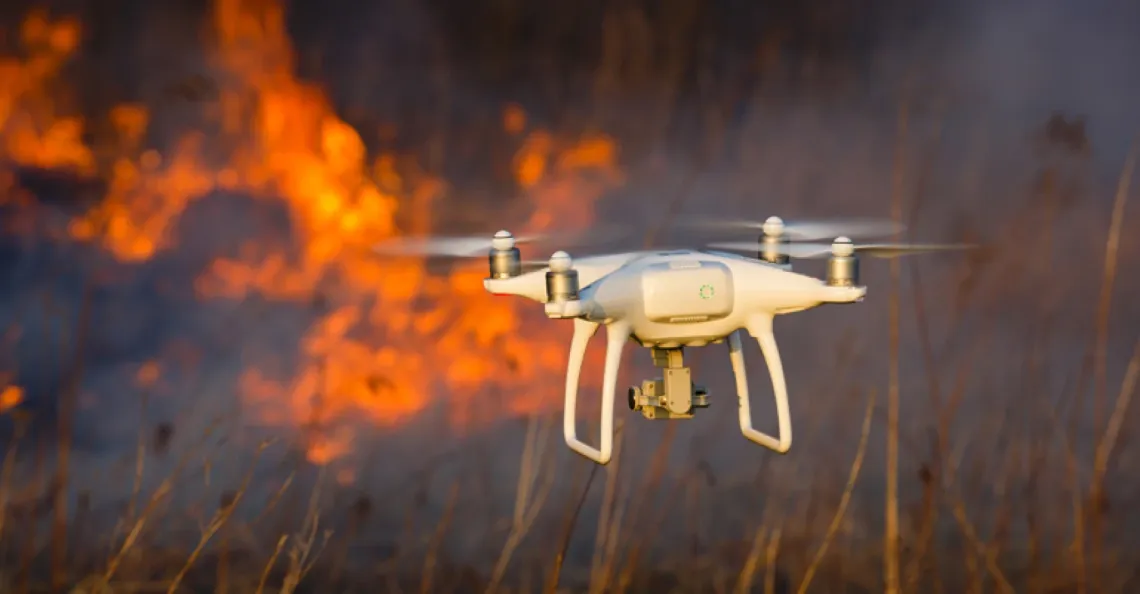
Finally, as technology continues to improve, people have more tools in their arsenal to reduce the impacts of wildfire on communities. Predictive tools, such as AI-driven risk assessments and satellite monitoring, help communities prioritize retrofits based on localized threat levels. Meanwhile, intelligent irrigation systems and fire-detection sensors are valuable at urban-wildland interfaces. There is a learning curve when transitioning from more traditional strategies to more futuristic ones, but the payoff is worth it. We must adapt to the impacts of our changing climate.
Learning to coexist with wildfires.
Wildfires are natural events that play a vital role in many ecosystems. Numerous species have adapted to survive and even thrive in these conditions. However, the rising frequency of wildfires poses a serious threat that the world must address. To prevent further increases in wildfire occurrences, we must tackle the human activities primarily responsible, as well as the climate change factors that contribute to their intensity.
Learn more about wildfires