20 Years of Sierra Club Military Outdoors
Meet the veterans and leaders turning time outdoors into a new way to serve
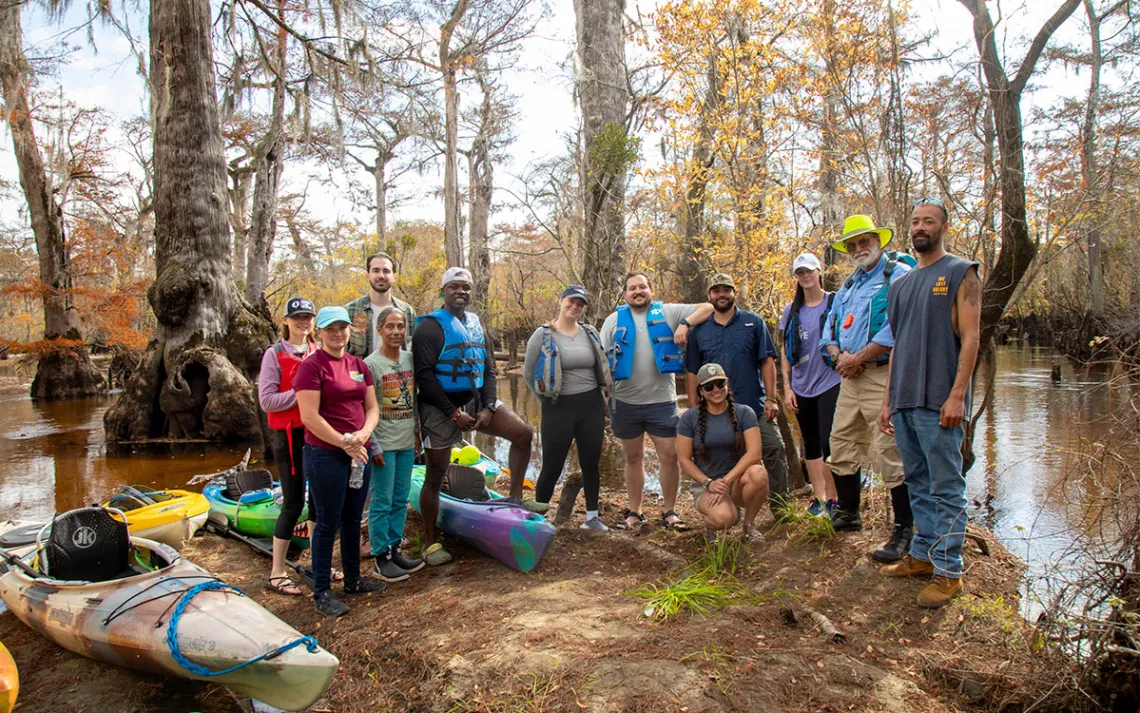
Photo courtesy of Military Outdoors
Twenty years ago, as service members passed through a revolving door of deployments and conflicts in the Middle East, many returned home to find a different world or a different version of themselves. And alongside the work of recovering from the physical injuries or coping with the psychological toll of service came a less palpable challenge: finding a sense of purpose after leaving a unit that had given them one.
In response, a new mission was taking shape at the Sierra Club. Veterans still carried the sense of duty and instinct to lead that had guided them in uniform. The Sierra Club’s new Military Families Outdoors program would give them a new way to serve, helping veterans and military families find connection and support through time outdoors.
Two decades later, the mission of Sierra Club Military Outdoors remains much the same, and the people who have shaped the program have each brought their own story to that mission. Their experiences help explain what the program has meant over the past 20 years, and why its work continues.
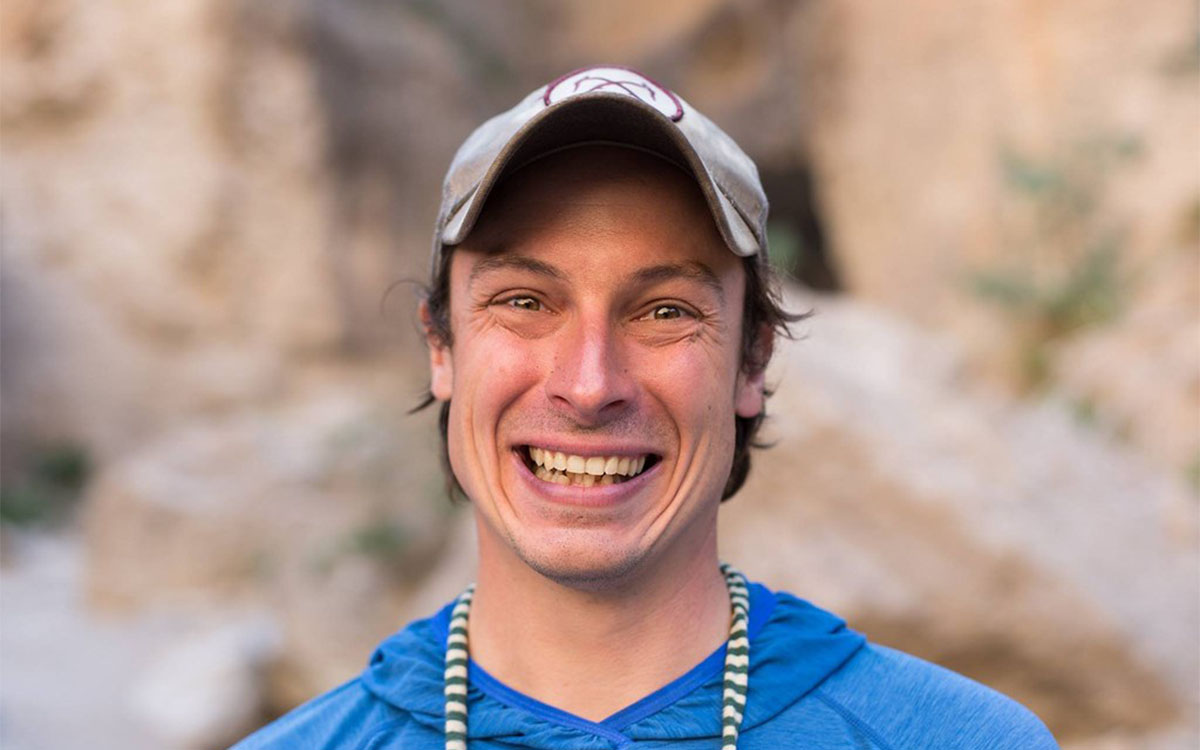
Bradley Noone, US Army veteran. | Photo by Morgan Mason
Bradley Noone wasn’t on the list for the Military Outdoors trip taking place at Bears Ears National Monument in southeastern Utah in late 2014. He had joined the same trip the year before and knew the group would be gathering again that weekend. But right now, driving across the country and finding himself in a state of crisis, he called trip leader Dan Shoemaker.
“I know I’m not on the list. I need support,” he told him.
Shoemaker told him to come anyway. They would make room.
“Just that action alone probably saved my life,” Noone says.
An army veteran who served for eight years, including a deployment to Afghanistan, Noone was among the many veterans struggling with mental health after returning to civilian life. Shoemaker’s invitation showed him that someone beyond his family and military unit cared about what happened to him. That support gave him a reason to return, first as an invitee and eventually as a national Outings leader himself.
Noone completed Outings leadership training in Leadville, Colorado, and became a Military Outdoors leader with the program, returning to lead the Bears Ears trip for three consecutive years, from 2016 through 2018. He now works as a program manager for Veterans for Public Lands, continuing the conservation work those outings helped set in motion.
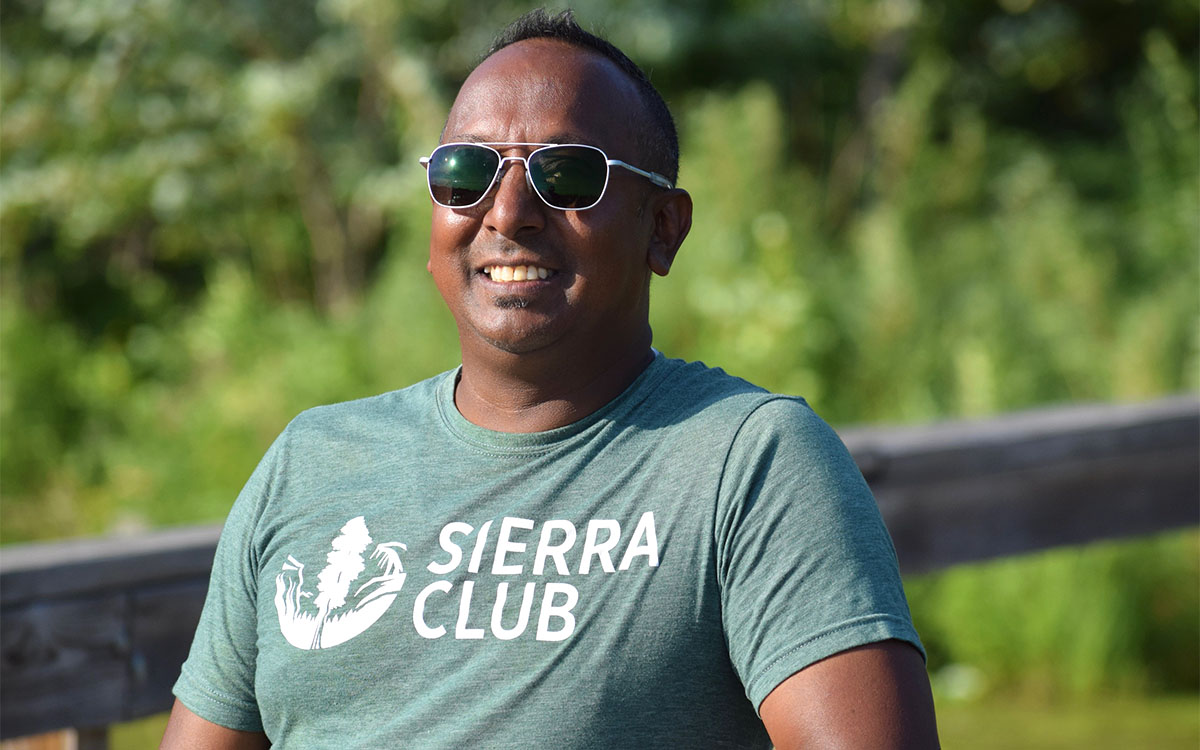
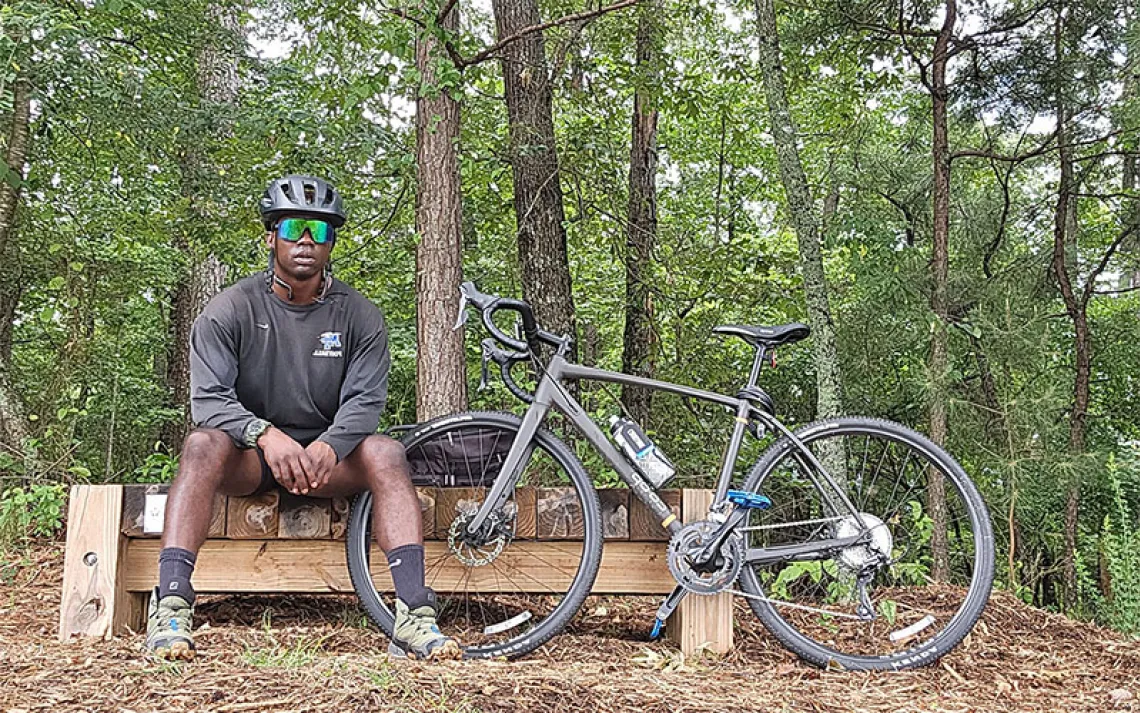
Eustace “JR” Hunte, US Air Force veteran. | Photo by Rubin Latz
While teaching outdoors classes for a major sporting goods retailer, Eustace “JR” Hunte had been trying to create events tailored specifically for veterans and people of color. Then the pandemic brought everything to a halt. His fellow instructors were laid off, and Hunte fell back to working his other job as an EMT, drawing on the medical experience he had first gained as an air force medic during Operations Desert Shield and Desert Storm.
After a few years providing free health services in underserved communities across Minneapolis and Saint Paul, Minnesota, Hunte learned in 2022 that the Sierra Club’s North Star Chapter was hiring someone to develop outdoor programs specifically for veterans and people of color. It was the exact work Hunte had wanted to do before the pandemic.
“Since I identify as both, I thought it would be a perfect fit,” he said.
As the chapter’s outdoor program coordinator, Hunte built relationships with organizations already serving veterans, such as Common Bond’s Upper Post, which provides housing and support for displaced veterans, and a partnership with Minneapolis Sailing Center, which brings summer sailing outings for veterans and their families. Over the past two years, the program has served more than 450 participants.
For Hunte, the work offers a connection to fellow veterans he rarely reaches through his other community work. What he wants them to find is “that team environment that many veterans crave and can’t find post military service.”
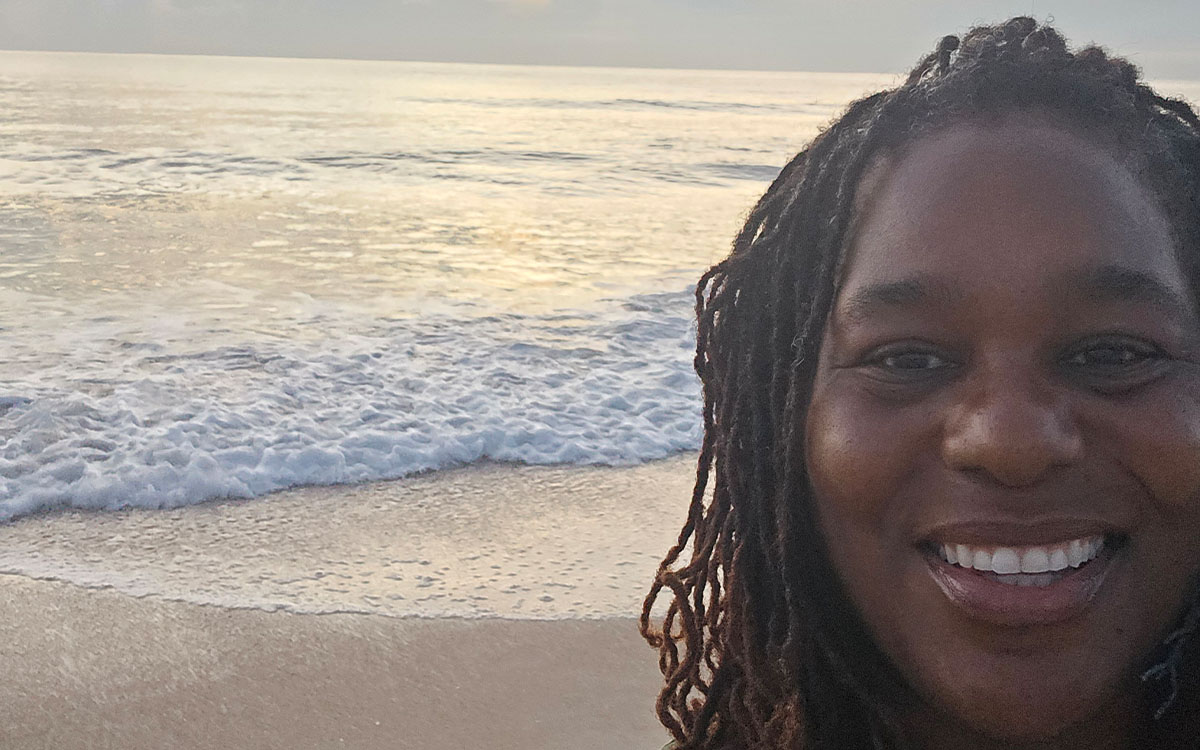
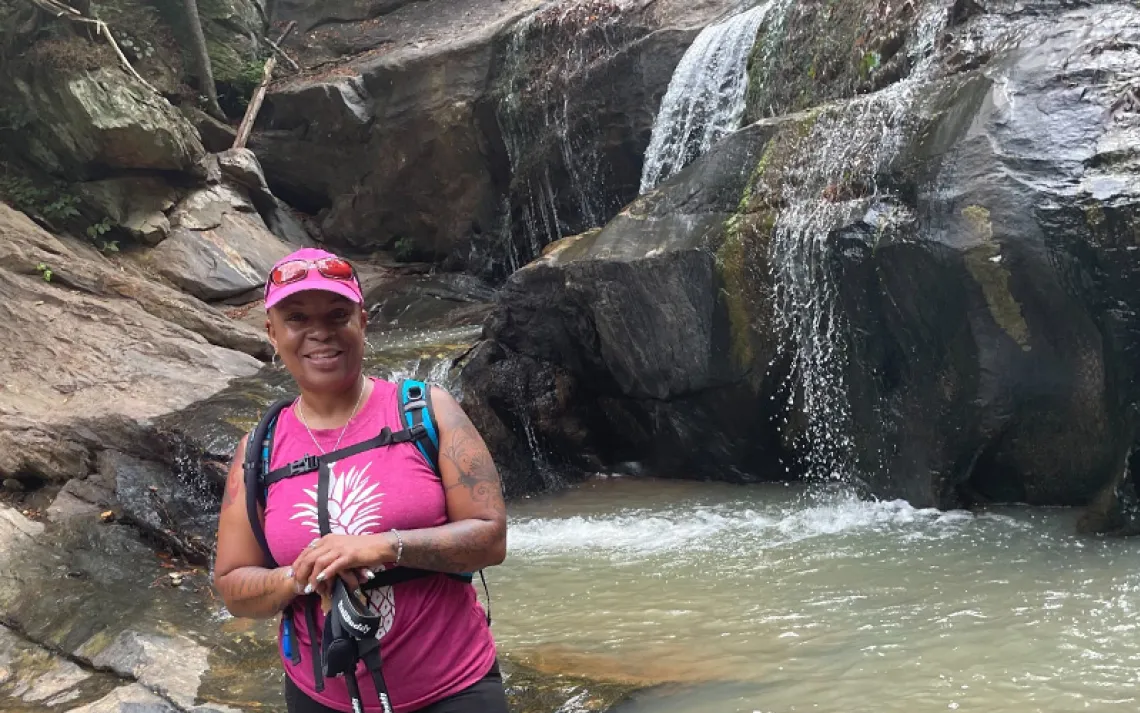
Stacy Machell Maria Douglas, US Navy veteran. | Photo courtesy of Stacy Machell Maria Douglas
“I’m an army brat, a navy veteran, and an air force mom,” Stacey Machell Maria Douglas says. “So we kind of got it all covered there.”
About two years ago, Douglas discovered Sierra Club Military Outdoors through hikes coordinated with the Wounded Warrior Project. She enjoyed learning from people who could identify the plants and birds around them, and coming from a military family, felt comfortable outdoors with fellow veterans.
She became involved in conservation advocacy and worked with the Sierra Club’s Florida Chapter to help shape Military Outdoors programming in Jacksonville. By the time she led her first hike with the Sierra Club, she had participated in numerous outings and completed a rigorous Sierra Club Outings leader training program.
On that hike, Douglas had several experienced leaders accompanying her. She led from the middle of the group, drawing on an approach she had learned aboard an aircraft carrier at the center of a battle group. From there, she could keep track of what was happening around her and quickly reach someone with more experience when she needed help.
“The first thing I remind myself is that I’m a leader amongst leaders,” she says.
With her first hike as a leader under her belt, Douglas is looking forward to leading more. She recognizes in Military Outdoors an approach to leadership that she values from her time in uniform.
“I’m here to serve as well as lead,” she says.
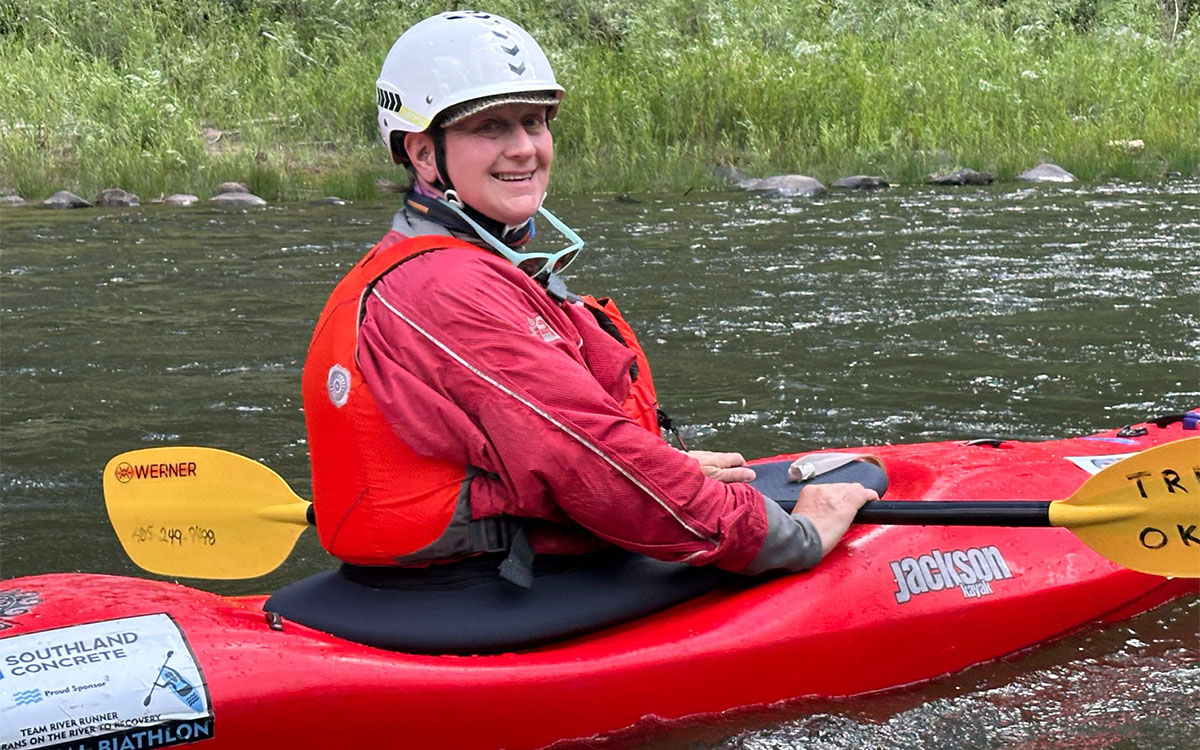
Melanie Brown, US Army veteran. | Photo/Team River Runner
A wave dragged Melanie Brown across the ocean floor and ripped off her board leash. When she surfaced, she couldn’t swim. A friend pulled her ashore, but the near drowning kept her away from the water for 12 to 13 years.
During the pandemic, Brown, who served in the US Army and Army National Guard, decided to return to the activities she had loved. That brought her to Team River Runner, where she met Sherman Neal II, the current Military Outdoors director, and became connected with the Sierra Club.
On the river trip where they met, Brown spent much of her time out of the kayak. The rapids brought back her fear of drowning, and she struggled with feeling ashamed.
“I felt like a failure,” she says.
The following year, she asked to return. This time, she made it through without coming out of her kayak once.
For Brown, the chance to try again matters. She says other outdoor programs have questioned her ability because of her age and injuries, sometimes requiring doctors’ notes that other participants weren’t asked to provide. She values Team River Runner and Military Outdoors for letting people work through challenges at their own pace.
“They don’t push,” she says. “They let people go at their own pace. They don’t shame.”
Brown now leads clinics with Team River Runner. She wants programs that describe themselves as adaptive to follow through when someone needs an adjustment to participate.
“I just want to see the effort instead of the excuses,” she says.
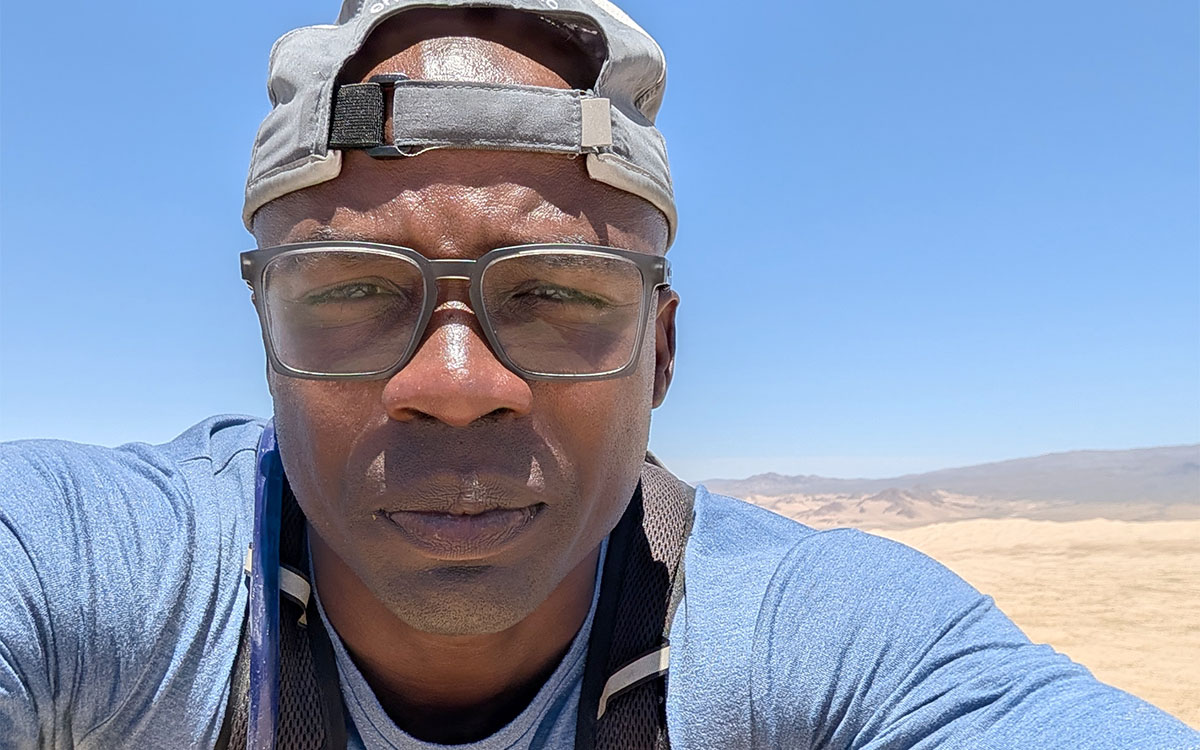
Sherman Neal II, US Marine Corps veteran. | Photo courtesy of Sherman Neal II
Sometimes, when Sherman Neal II picked his son up from daycare, the boy didn’t recognize him. Neal loved being a marine, but the absences were straining his relationships. He left the service struggling to explain his experiences and make himself emotionally available to the people closest to him.
Veterans organizations held little appeal. “I almost never saw myself represented,” he wrote.
That changed when a US Air Force veteran and friend invited him on a weeklong whitewater trip down Idaho’s Salmon River in July 2023. The Team River Runner clinic, facilitated by the Sierra Club, would introduce Neal to whitewater boating and people who could listen to his experiences and share their own.
He hadn’t seen such a deliberate effort to diversify the outdoors since belonging to an all-Black Boy Scout troop in Chicago. For the first time since Iraq, he unplugged among peers and slept under the stars. These were people with whom he could talk about his service and begin making sense of what he had carried home.
The experience also gave him a place and a community he wanted to help protect. Six months later, Neal accepted a position with Sierra Club Military Outdoors. Now the program’s director, he works to preserve natural environments and create opportunities for others to find a community that resonates with them.
He described the responsibility behind that work as “ensuring that those who serve us have access to the lands they’ve sworn to protect.”