A Megadrought Is Reshaping Birdlife in the Southwest
A recent bad year for elegant trogons is only the latest in a string of changes
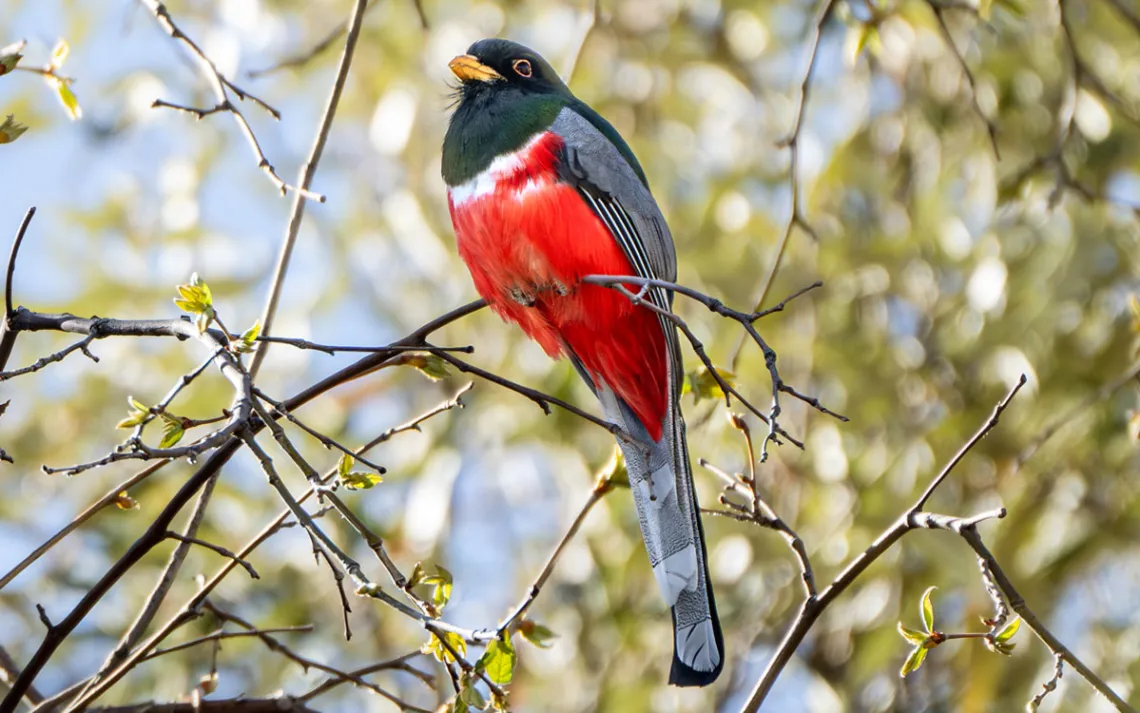
An elegant trogon in New Mexico. | Photograph courtesy of lightstalker/iStock
Few birds have earned the moniker “elegant” quite like the elegant trogon. With a crimson belly and bronze-green head and back, the males of this species glow against the dry forests of the Sierra Madre. The females’ sandy-brown plumage is no less beautiful. Both sexes have a long, stripy tail that recalls their close relatives, the quetzals.
While most of the 200,000-strong elegant trogon population lives in Mexico and Central America, a few hundred make an annual pilgrimage to breed in Arizona and New Mexico’s “sky islands,” a collection of mountain ranges whose prominence creates their own ecosystems.
Since 2013, volunteers and staff at the Tucson Bird Alliance have surveyed trogon populations in southeastern Arizona each May. There are, on average, 136 trogons each year in five mountain ranges, with some fluctuations. “Anywhere from 100 to 180 is a standard number for most years,” said Jennie MacFarland, the director of bird conservation for Tucson Bird Alliance.
This year, however, they found only 31. It was their lowest total ever.
MacFarland believes this is due to last summer’s lack of rain. Previous surveys by the alliance found that trogon numbers are tied to the previous year’s rain. A dry summer means little fruit the following year, so trogons tend to migrate in smaller numbers.
Since the summer of 2024 was dry, MacFarland knew that trogon numbers would be low, but she was still surprised by just how low. The trogons they found were behaving strangely—males didn’t seem to be establishing territories and were roaming widely in search of females and food.
The team conducted follow-up surveys in July, which raised the year’s total to 78—an impressive jump, but still the second lowest total after 68 in 2021, which followed a horrible drought year in 2020.
MacFarland stressed that 2025 was “a weird year,” so it’s hard to draw too many conclusions from just one data point. This bad trogon year, however, may be a symptom of a larger phenomenon: the megadrought currently desiccating the American Southwest.
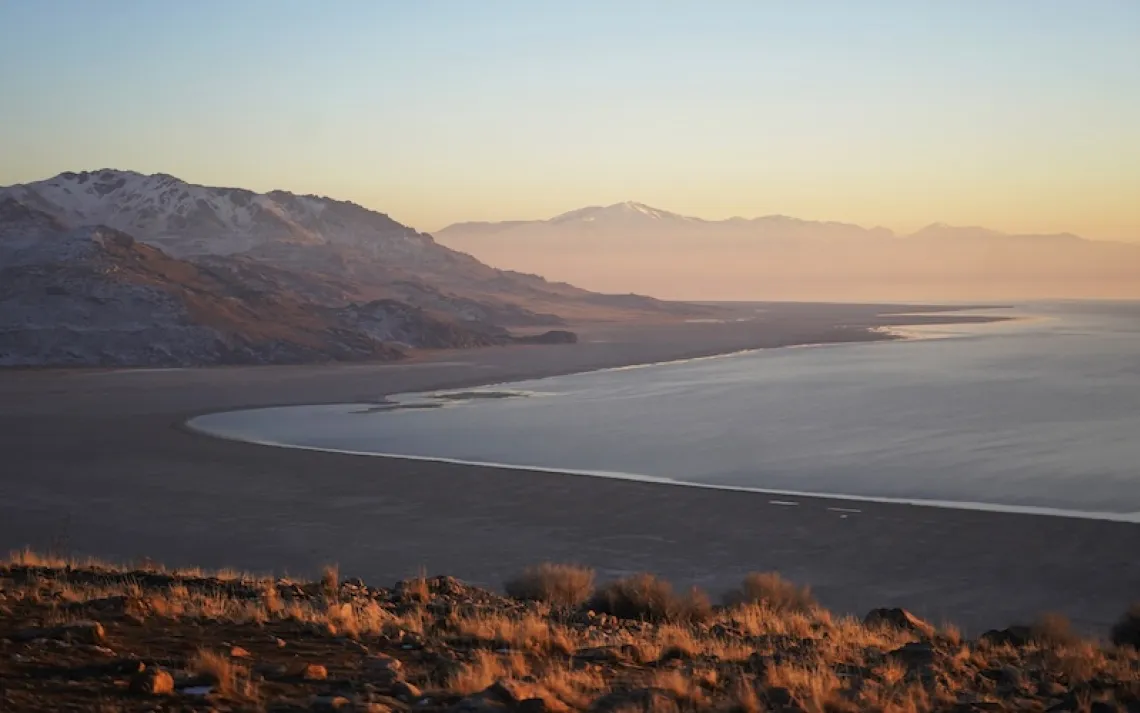
This megadrought—defined as a multidecade period of extreme dryness—has been ongoing for 25 years across the southwestern United States and northwestern Mexico. Scientists say it’s driven by anthropogenic climate change, supercharged by greenhouse gases. In other words, our reliance on oil and gas has altered global weather patterns such that its emissions have led to the driest period in the region in the last 1,200 years. This drought is impacting agriculture, industry, and water availability for people’s everyday use, but it has also hit animals hard. Its impacts are particularly visible in birds, who have lost habitat, struggled to find food, and in some cases have begun to decline dramatically.
If humanity's reliance on oil and gas fails to abate, the best available research suggests the megadrought is likely to last for decades. These impacts, then, are likely to only get worse, and species on the edges of their ranges, including elegant trogons, will continue to suffer from the effects of drought.
Take Bendire’s thrasher, a relative of mockingbirds that primarily breeds in the scrubby deserts of the American Southwest. According to the 2025 State of the Birds report, Bendire’s thrashers have declined by more than 75 percent in the last 50 years. According to Corrie Borgman, a migratory bird biologist with the US Fish and Wildlife Service, drought may be playing a significant role in that decline.
Borgman said that droughts tend to make deserts difficult for thrashers. Fewer plants grow, which means fewer resources for insects, which means less food for the insect-eating birds. In bad years, like this one, Borgman said, Bendire’s thrashers struggle to raise their young, and many simply choose not to breed at all. In New Mexico, “they basically just didn’t breed this year, or if they did, they had low survival.”
For desert birds, “there’s just kind of a whole train wreck of things that can go wrong for you if it's dry,” said Chris McCreedy, the Southwest bird recovery manager with American Bird Conservancy. Birds tend to nest later in the year in drought conditions, which is when egg-eating snakes become more active. Desert trees will also shed their leaves in a drought, leaving nests more exposed. Less food also means adult birds need to make more trips to the nest, increasing the chances that they are spotted by predators. A later start also means birds have less time to raise a second clutch of eggs after the first one hatches, or if the first clutch dies. All these impacts mean fewer chicks are fledged each year, making each population shakier and more likely to decline.
Drought years are a natural part of life in the desert, but the megadrought has made drought years more frequent and intense. “One dry year, the birds can just come back next year,” McCreedy said. “When you get these back-to-back-to-back dry years, that’s when you really start to see these decreases.”
Other desert species have also declined under drought conditions, including birds that specialize in arid habitats. Some have declined an average of 41 percent, according to the State of the Birds report. Another desert thrasher, called the LeConte’s thrasher, has also declined by over 75 percent in the last 50 years.
Beyond the desert, drought has been causing outbreaks of bark beetles in montane forests, said Tice Supplee, former Southwest director of bird conservation at Audubon. These beetles burrow into the bark of coniferous trees and are a natural part of these forest ecosystems. The best defense that trees have against these beetles is pushing sap into their burrows to kill them, and in drought, “the tree doesn’t have enough moisture to produce sap to push them out,” Supplee said, so “the bark beetles kind of get an advantage on the tree.”
This imbalance has led to massive bark beetle outbreaks, which may be playing a role in the decline of a piñon pine specialist called the piñon jay. Supplee noted, however, that new forest management practices to tackle beetle outbreaks have focused on thinning out ponderosa pine forests, which have created more habitat for open forest specialties, such as the Grace’s warbler. In complex climate situations like these, she said, “there’s winners and there’s losers.”
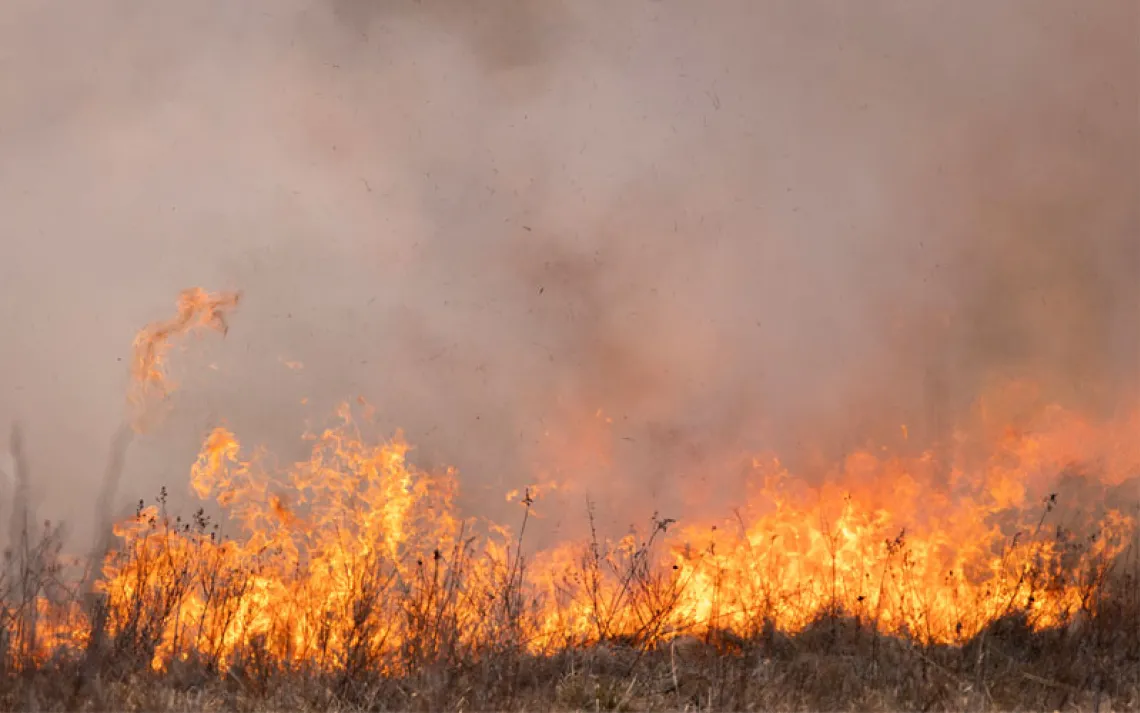
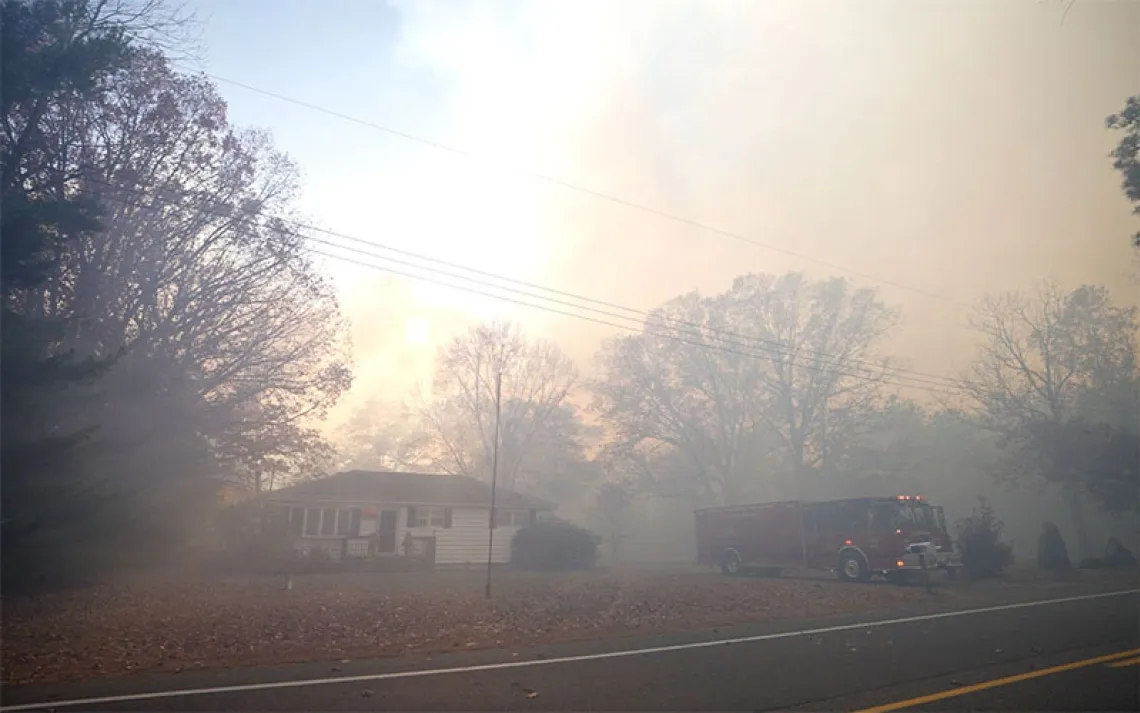
Drought has also caused wildfires to become much more common, particularly in habitats such as sagebrush steppe and saguaro cactus deserts that are not adapted to frequent fires. The trademark plants of these biomes are extremely slow-growing, so one or two big fires can dramatically change the system, Supplee said. Fire-adapted invasive grasses, including cheatgrass, also grow quickly in fire’s aftermath, crowding out native plants.
There are a litany of species that persist primarily in these habitats. Saguaro cacti provide homes to Gila woodpeckers, purple martins, and pocket-size elf owls, while sagebrush steppe is the only habitat where sagebrush sparrows and sage thrashers can thrive. When these habitats burn, it is extremely difficult for their specialists to recover.
Habitat specialists like these are not the only species that are suffering under this megadrought. In a study published this July in Biological Conservation, a team led by ecologist Merijn van den Bosch looked at 24 years of US Geological Survey Breeding Bird Survey data in the Sonoran and Mojave Deserts to understand what impact drought has had on the area’s most common birds. Because Breeding Bird Survey volunteers count birds along the same route each year, the data allows for good comparison between years.
Through this analysis, Van den Bosch’s team found that sites that experienced a severe drought year had 10 percent fewer species than those that didn’t. For nine common species, a one-year severe drought caused a decline of more than 18 percent—northern mockingbirds in particular declined by 34 percent in drought years. Van den Bosch argued that if the megadrought does not abate, there may be a widespread collapse in the birdlife across the southwestern desert.
Supplee worries that drought conditions could be exacerbated by an increasing human need for water. Even water-saving mechanisms like toilet-to-tap systems, which convert wastewater into drinking water, could hurt birds such as the federally endangered Yuma Ridgway’s rail. “Right now, this bird exists in places where there's water return from agricultural irrigation and wastewater treatment,” she said. “If all of that is treated to human consumption, well, then it's not there for wild animals.”
Despite the challenges birds and humans alike face, McCreedy said he tries not to think about water use as a contest between nature and people. “The water brings us together,” he said. “We just have to keep working at being creative and find ways to maintain that lifeline for all the animals that need that water.”