Here’s Why Maine Just Had Its Worst Fire Season in Years
This past August saw more brush fires across one of the least likely places to burn
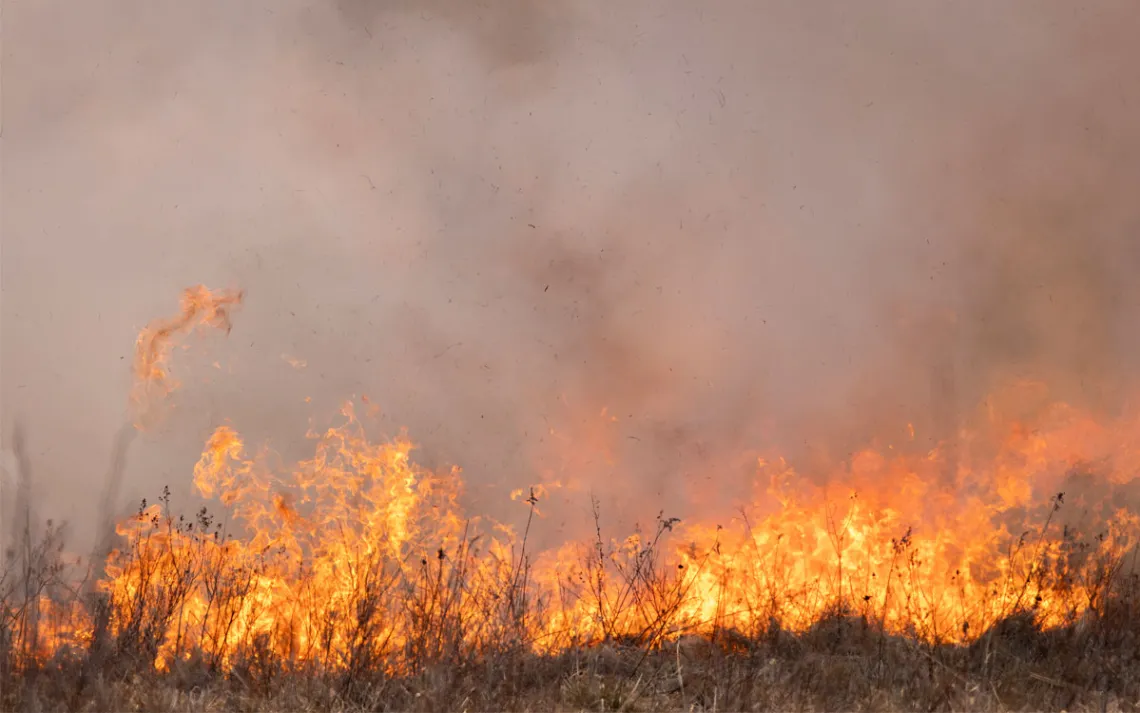
While this prescribed fire went off without a hitch in Acadia National Park, Maine has experienced a record-breaking fire season with similar fires ranging across the state this past August. | Photo by NPS / Brady Richards
Editor’s note: This story was originally published by the Maine Monitor, a publication of the Maine Center for Public Interest Reporting.
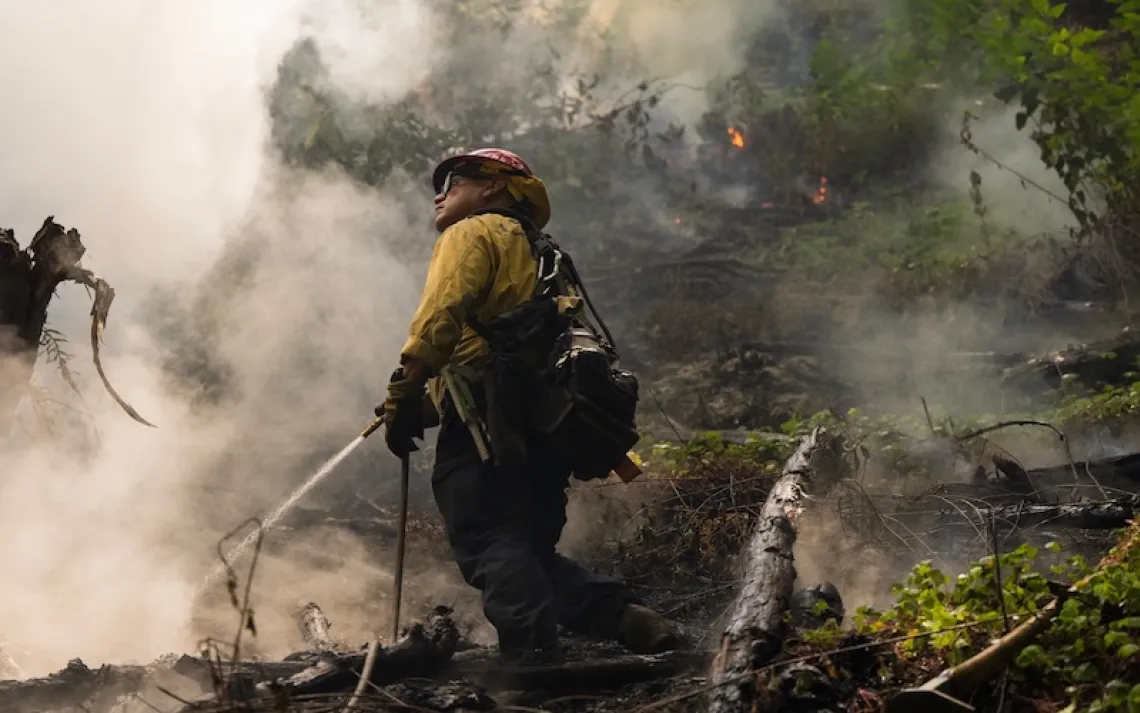
When a campfire jumped its ring near a remote northern Maine lake last month, it took Maine Forest Rangers five days of ferrying resources by boat and digging away vegetation around the resulting four-acre blaze to stop its spread.
Just a few weeks later, rangers returned to the area by helicopter, canoe, and foot to douse a cluster of escaped campfires before they reached the surrounding 100 Mile Wilderness.
Campfires and open burns were two of the primary causes of wildfires this August, when Maine saw more wildfires than in any other August over the last 20 years, according to the Maine Forest Service.
What made the landscape more susceptible to wildfires might seem counterintuitive: a wet spring. Plenty of rain in May sprouted the growth of fine fuels such as grasses and shrubs. Then three months of severe drought dried them out, turning the Maine landscape into a tinderbox.
Wildfire experts are cautious about tying a long-term increase in wildfires to the influence of climate change in Maine. But they tend to agree that a warming climate will exacerbate the current drought conditions that cause wildfires to spread. The wild card: human activity.
“This is a pattern that’s being seen all over the place,” said Andrew Barton, wildfire ecologist and biology professor at the University of Maine at Farmington. “That kind of whipsaw from moist conditions to dry conditions really sets up places to burn.”
With little chance for precipitation on the horizon, state and municipal fire officials say the state remains primed to burn as Maine heads into a historically active autumn fire season.
"It’s complicated"
Looking long term, scientists don’t have definitive projections for Maine wildfire activity. That’s because much of the state’s future wildfire risk depends on how well prevention efforts play out amid changes to the climate. But the risk of fire appears to be growing.
Maine is historically one of the least wildfire-prone states in the country, said Barton, who studies wildfires. But Maine has been experiencing fluctuations between periods of severe drought and record precipitation, a pattern that can lay the groundwork for wildfires to spread.
The state’s busiest wildfire seasons have coincided with significant droughts in 2016, 2020, 2022, and 2025. Couple these drier extremes with other projections for increased lightning strikes and Maine’s wildfire risk is heightened further.
“I think most people are coalescing on the prediction that Maine probably is going to have more dry periods, and we probably will have higher fire risk in the future,” Barton told The Maine Monitor. “But again, it’s complicated.”
The town’s firefighters were called to an escaped campfire behind the Bucksport Terminal oil tanks at the start of August. And they have been on the road most weekends over the past two months, starting with a call to a half-acre fire near a powerline in Orrington in late July.
Firefighters weren’t able to reach the blaze by hose and were forced to shuffle a meager 60 gallons of water back and forth on an Orrington Fire Department off-road vehicle, Denning said.
“It puts everyone at the exhaustion level if they’re running constantly with short-staffed crews,” Denning told The Monitor. “It makes it dangerous for the crews.”
Denning agreed that the burn permit system is one of the best tools his department has to prevent wildfires. Except for a wet weekend in early September, Bucksport has stopped granting permits to burn yard waste for the past month and a half.
He said he understands the frustration people may feel letting brush accumulate on their property, but he implored residents to wait until conditions are safe, even if it takes a while.
“I’ve got a brush pile I’ve got to burn, and I may wait until we have snow cover,” Denning said. “Have some patience and understanding, and we’ll get through it.”
"Drought begets drought"
By late October 1947, wildfires scorched more than 200,000 acres and destroyed nine Maine towns before the autumn’s first significant rainfall arrived.
Maine has seen far smaller wildfires this year that have spanned only 550 acres compared with that record-setting autumn nearly 80 years ago. But the state has experienced similar conditions that prime forests to burn, according to state officials.
Winter snowmelt and spring rainfall only partially alleviated drought conditions that spread across the state late last fall, according to Sarah Jamison, senior service hydrologist for the National Weather Service. But they caused a springtime growth spurt of grasses and shrubs.
Then, as temperatures rose and rain sharply decreased from July to mid-August, a so-called flash drought spread across much of the state. There was so little rain that Bangor had its third-driest summer on record, and Portland had its sixth.
It’s unlikely that drought conditions will improve soon given that dry air usually sweeps down from Canada to Maine in the autumn, Jamison said at a September 4 meeting of the Maine Drought Task Force. Maine’s soils are too parched to recharge the air masses with humidity overnight, causing the cycle to repeat.
“Drought begets drought,” Jamison said. “Things could change, but … at this point, there are no drought-reducing rainfall events in our forecast.”
The Maine Forest Service is on high alert as it prepares for a fall without much rain, said forest ranger George Harris. Drought-stressed trees tend to drop their leaves early, and low humidity dries them further—conditions that make it harder to control a blaze.
“If you were to compare this summer versus the 1947 fires that devastated the state, we’re actually running very parallel,” Harris told the task force.
But while this year’s environmental conditions may mirror the 1947 wildfire season, the state’s available tools certainly do not.
Maine Civil Air Patrol pilots serving as spotters during the 1947 fires were radioless and forced to communicate by dropping messages to towns below or landing and calling over the phone, whereas this year the Forest Service has flown a fleet of helicopters and thermal imaging drones to catch new ignitions and snuff them out early.
In one recent example, forest rangers spotted four remote fires near Rangeley. They then used helicopters to drop water and put them out before they grew larger than an acre.
Maine may need those pilots to be available around the clock again, and Harris said the Forest Service will be ready.
“We’re gearing up for a fall season with no real precipitation in the forecast and, if conditions align, … significant fires that are harder to fight,” Harris said.