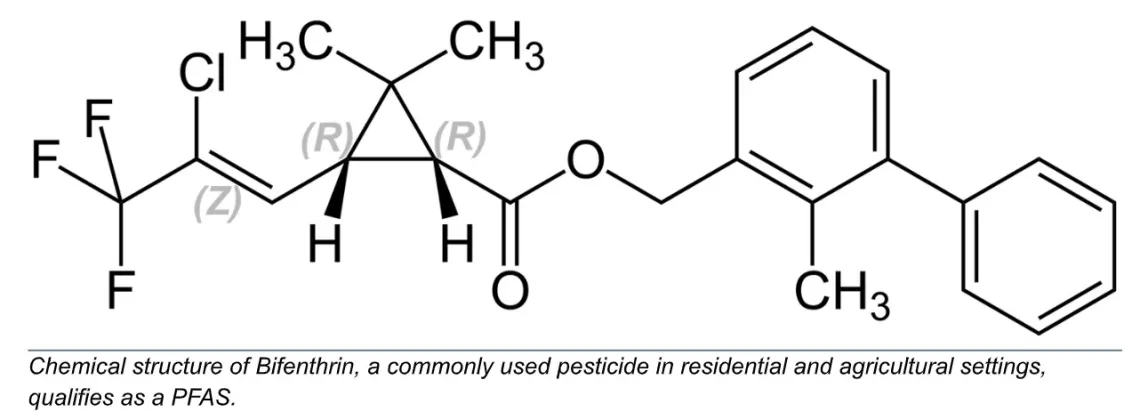
Very clear explanations to these critical environmental and public health questions are
found at:
https://xerces.org/blog/your-guide-to-pfas-pesticides-simple-steps-to-protect-people-and-pollinators
Key takeaway: “According to a recent analysis, there are 66 different PFAS chemicals
registered by the U.S. Environmental Protection Agency (EPA) as active ingredients in
pesticides. This adds up to 14% of all active ingredients. And the problem doesn’t seem
to be getting better. Of the new active ingredients approved for use over the last 10
years, 30% or 16 were PFAS. At the end of 2025, the EPA registered two additional
PFAS active ingredients, and proposed adding three more.”
Relevance: As PFAS-containing pesticides are EPA-approved for spraying on crops for
human consumption, consuming conventional (nonorganic) foodstuffs means your oral
PFAS exposure may be greater. Who can afford an all-organic diet?
Fisk University Environmental Program’s Community Workshop: “The Prevalence and Consequences of PFAS in our Community Drinking Water.” This workshop will be held at 10:30am on Saturday, March 28th, in the Appleton Room of Jubilee Hall. It can also be accessed by ZOOM. It is important to increase vulnerable families and community awareness of the significant health and environmental impacts of per- and polyfluoroalkyl substances(PFAS) which are being found throughout our environment including sources of our drinking water.
To Register for this event. Contact Robert C. Wingfield Jr. Fisk University, rwingfld@fisk.edu, or 615-439-0274. See attached flyer for more information. There is no cost for registration. Lunch will be provided.