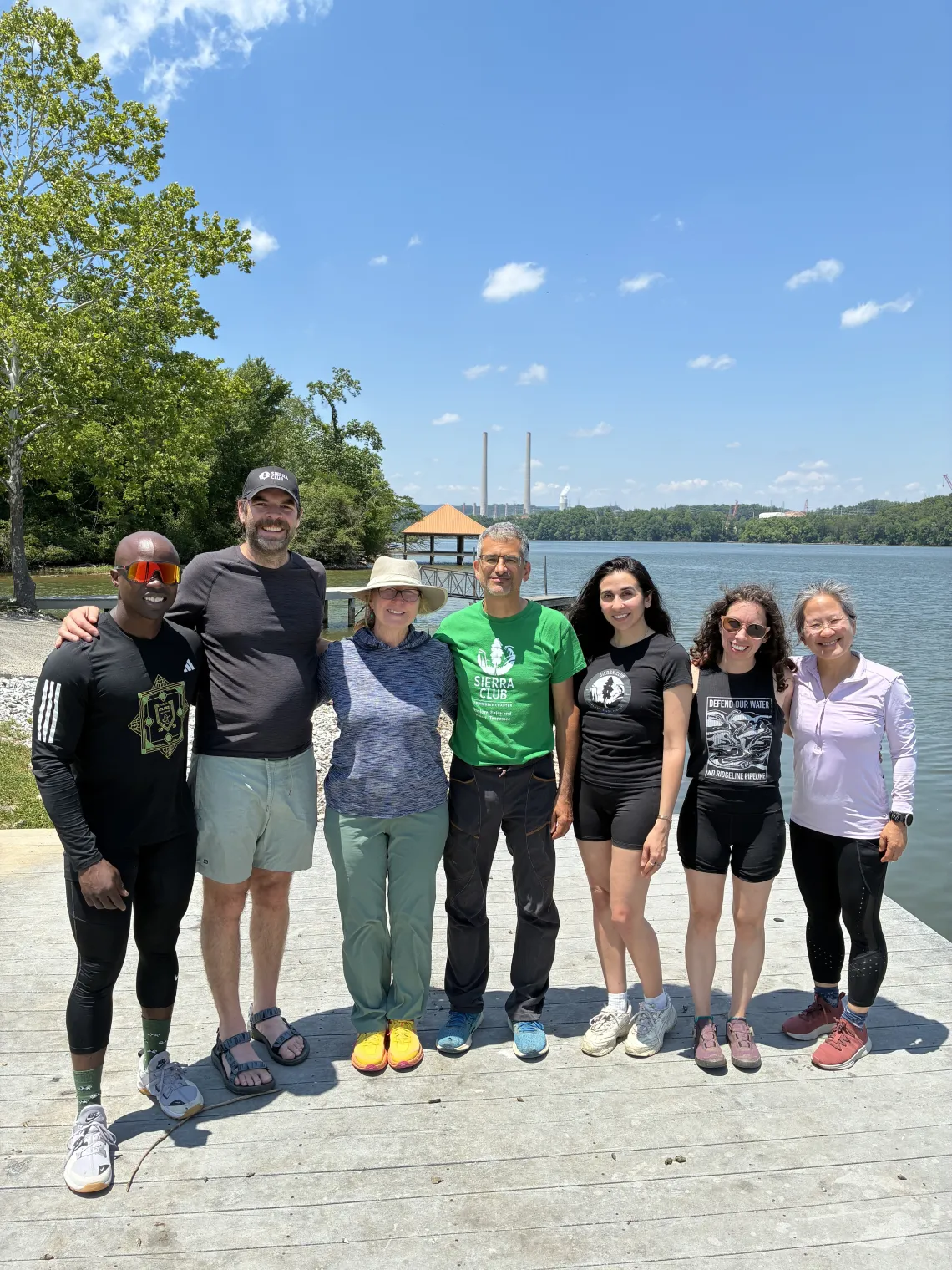
Over two days, Tennesseans, including Army and Marine Veterans, scientists, engineers, artists, judges, and Sierra Club employees, rode over 100 miles from Cummins Falls to Kingston to explore, enjoy, and protect TN in the face of environmental harm caused by the construction of a methane gas pipeline. The pipeline weaves an ugly, destructive path through some of America's most beautiful landscapes. The character of the communities impacted is woven into the ecosystem – places that have survived long before pipelines threatened to disturb wild and scenic rivers, and coal mines' smokestacks interrupted otherwise perfect skies.
The Tennessee we hear about today is a place that is selling itself to the highest bidder, regardless of destruction to our communities, lands, and air – just see the disenfranchisement in the Capitol, investment in this pipeline & the unnecessary tunnel in Nashville, and reverse the decision to close (2) coal-fired power plants this year alone. But, the Tennessee I was in looks like people sharing stories around the campfire at Lily Pad Brewing, located just outside of the wild and scenic Obed River, three boys out in the sun and throwing the football in the front yard, and communities like Lancing, Wartburg, and Harriman that display their value of service by visibly honoring veterans in the community.
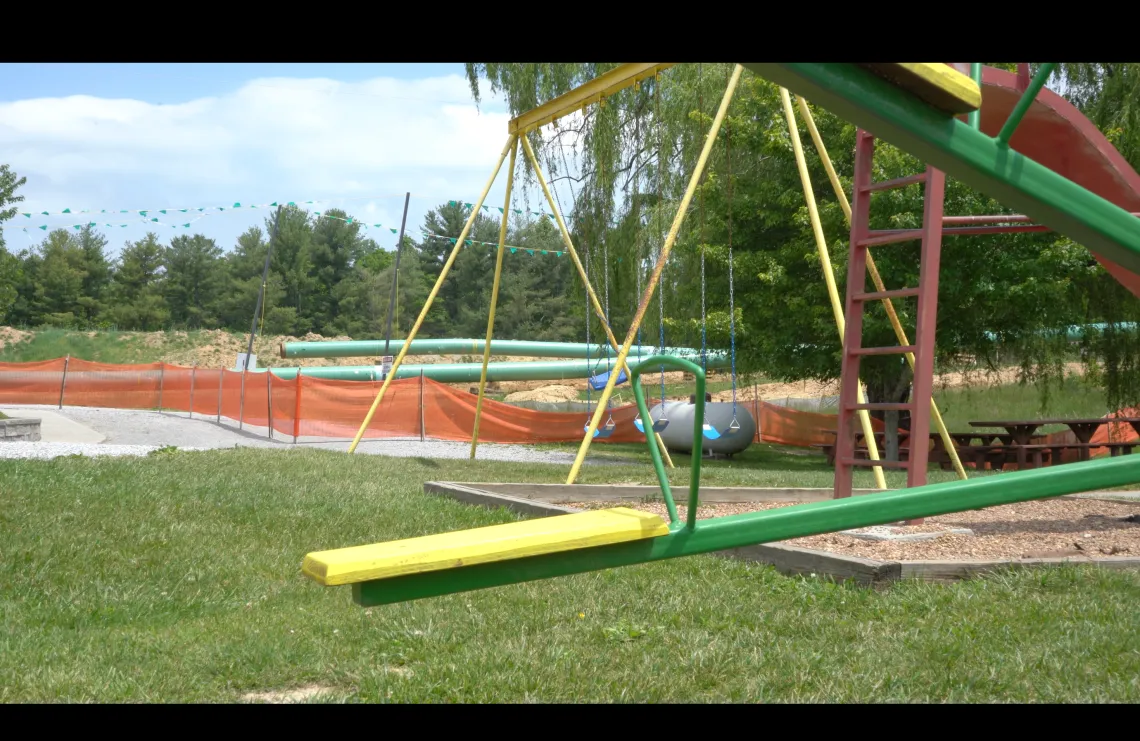
Oftentimes, the rural communities mentioned above bear the consequences of our reliance on fossil fuels: polluted waters, dirtier air, and local voices drowned out by out-of-state corporate interests driving decisions at the Capitol. Veterans know that these communities form the backbone of our armed services – the vast majority of our armed forces are people living in places struggling with legacy economic and environmental justice issues.
While riding, I couldn’t help but consider the ties between the pipeline passing through the backyard of a family who may have a servicemember at sea, essentially engaged in a war to enrich the corporations destroying their land. It was no surprise that veteran soldiers joined after seeing an opportunity to serve their communities domestically by demanding a pivot away from fossil fuels.
Sixteen years ago, I took my oath of office as a Marine Corps officer in Tennessee. Shortly thereafter, I served an internship with US Army veteran Congressman Bart Gordon in Washington, D.C., where I spent days reading about counter-terrorism strategy and the impacts of cap-and-trade policy on the environment. I’m proud to open an opportunity to channel the people who invested in me to ensure future generations can enjoy the outdoors. Veterans have an outsized role in advocating for divestment in a fossil fuel future – for the last several decades, anyone serious about the national security of the United States has known that the number one threat to national security is our reliance on fossil fuels that perpetuate climate change. I’m grateful to the Sierra Club Tennessee Chapter for shaping an opportunity to continue serving in a different capacity.

Stacey Gray, a Retired Army veteran who rode from Cummins Falls to Monterrey to start our journey, said,
“Many nations of the world are engaged in divesting from fossil fuel-based power. Sadly, the current US administration has chosen to not only abandon many of the existing efforts to develop alternative energy sources but is doubling down on the use of fossil fuels. Additionally, there is a complete disregard for the environmental impact of this policy, as well as opening previously protected areas to further exploration or use. We must continue our efforts to educate the public and bring to light the threats being levied against our communities in hopes of returning to a more sustainable environmental path."
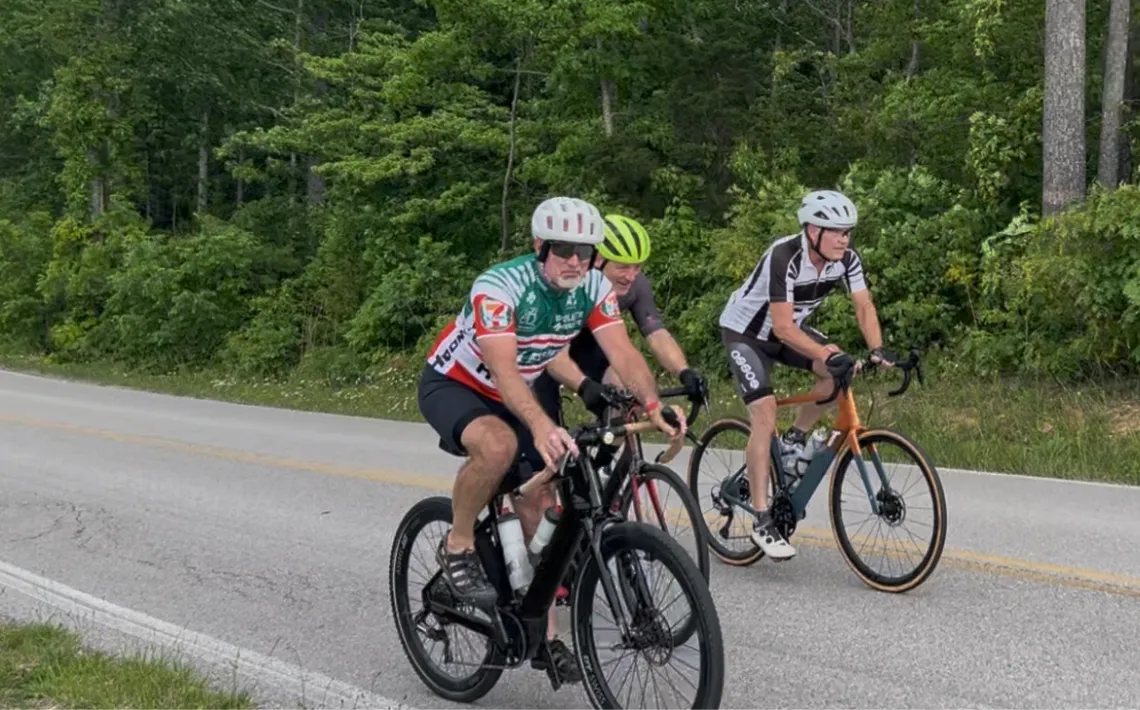
For 20 years, the Military Outdoors program advocated for increased access to the outdoors for military communities by exposing thousands of veterans to the healing power of nature and uplifting veteran voices as champions for the environment. Just last week, the Department of Veterans Affairs released a report recognizing the necessity to support veteran outdoor access. In 2024, we released a report detailing how our ability to explore and enjoy requires legislative action. In 2025, we released another report detailing how the ability to recreate is intertwined with air quality. Riding the Ridgeline successfully brought people together to build community and connection with the lands we served to defend. That includes defense from pipelines.
Congratulations to our riders from Saturday and Sunday, and to Vince and Maureen Cianciolo for making this incredible outing possible. Thank you to Kickstand Knoxville for allowing us to use your bikes.
Take Action today and tell Congress Support Veterans’ Access to the Outdoors