 The Magazine of The Sierra Club
Utilities Score All-Time Low on Transition From Coal and Gas as Climate Crisis Accelerates
According to the Sierra Club's “Dirty Truth” report, energy companies are failing more than ever
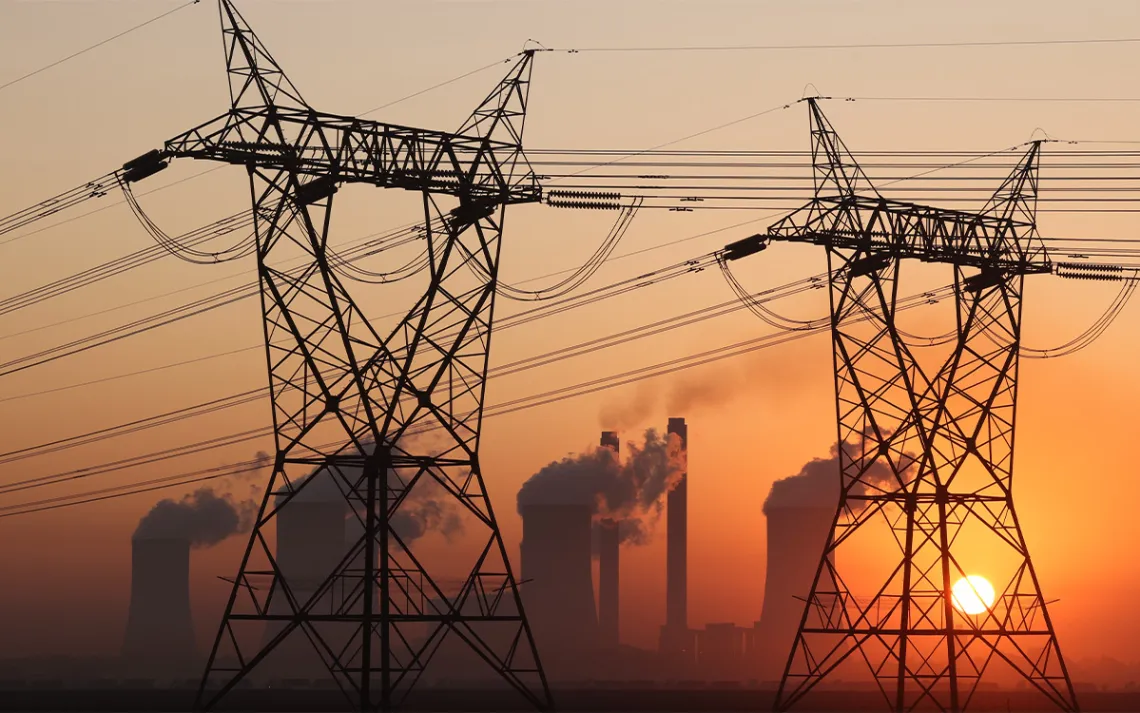
Photo by Martin Harvey/Getty Images
Scientific evidence continues to make clear that the climate crisis is accelerating. The past few years have been the hottest on record, reaching surface temperatures of 1.44°C above the 1850 to 1900 average. Extreme weather events such as massive wildfires, drought, and flooding continue to upend lives as a result.
And yet 50 energy utilities in the United States are failing to transition off of fossil fuels—the primary driver of the climate crisis—toward clean energy sources, despite the clear evidence that change is needed, according to the Sierra Club's 2026 Dirty Truth report, released today.
The report gave the parent companies, which own 76 individual operations, an all-time-low score of seven out of 100 for their plans to transition from coal and gas to clean energy: wind, solar, and storage. This was the largest single-year drop since the Sierra Club started tracking. The score is eight points lower than last year's, and 11 points lower than that in the 2021 inaugural report.
“This year’s results were pretty alarming overall,” said Emma Pabst, a campaign manager for the Sierra Club’s Beyond Coal campaign and a study author.
Researchers graded companies based on their plans to retire coal by 2030 as of July 1. They also investigated their green energy strategy, including how they will build clean energy to replace fossil generation and meet energy demand without developing new gas plants throughout the next 10 years. The consensus was that companies are not moving toward green energy as quickly as they should.
“This is the science-aligned target,” said Noah Ver Beek, a senior energy campaigns analyst with the Beyond Coal campaign and one of the report’s authors. “It’s what basically every study and the Intergovernmental Panel on Climate Change says needs to happen in developed economies in order to stay on track with our climate targets.”
Hitting the snooze button on clean energy isn’t simply impacting our planet. It contributes to a slew of problems, including health and affordability issues. Households are having to pay higher rates for electricity. This trend, called energy burden, is affecting Americans disproportionately across the country, with people of color especially impacted. Even though clean energy is cheaper than what coal plants produce, utility companies refuse to fully unplug.
“Coal is the dirtiest and often the most expensive way to generate power, so we want utilities to be retiring those plants by 2030 at the latest,” Ver Beek said.
As of 2022, coal and gas were contributing between 45 and 53 percent of carbon emissions, according to the US Energy Information Administration. Fossil fuel emissions then drive rising temperatures and widespread global issues of extreme weather and marine heat waves, which are wreaking havoc on our ecosystems and populations.
The demand for energy
The energy appetite is largely connected to the hungry expansion of data centers and artificial intelligence, which is placing pressure on utility companies to meet energy demands, known as load growth. Rhodium Group, an independent think tank, estimates energy demand could push to 338 percent by 2030 because of data centers under a high-growth scenario. Some projections are even higher, according to the report.
But Pabst said that these companies could avoid relying on coal and gas for quick power generation if they took the time to look for greener sources like wind and solar. “Their failure to plan, combined with unprecedented load growth, is hitting us,” she said.
While nearly half of utilities have improved their clean energy scores, replacing 25 percent of fossil fuel production and leading to a reduction of costs in clean energy since the first report, many companies still stubbornly depend on coal and gas.
“This is also the consequence of an administration that is actively pushing for infrastructure that is harming people's wallets and health."
Effects of coal and gas
Gas is volatile and expensive. Eighty percent of companies continue to guzzle it for energy demand, according to the report. This year, utilities proposed 140 gigawatts of new gas capacity—more than in any previous report. The study found that 28 companies are pushing for more gas production than they need to meet demands through this decade. One company, Alabama Power, is planning to generate more than seven times what it needs through 2035. If these companies continue with that approach, it would increase current gas capacity by 25 percent nationwide, which is more than two and a half times the amount of gas utilities planned in the first report.
With coal, 60 percent of utilities made no improvement in their scores. While they plan to retire 25 percent of their generation by 2030, this falls short of what is needed economically. Pumping the brakes on coal would help reduce emissions and expenses—since 2015, companies could save $1 billion to $2 billion a year by avoiding coal—and devastating health impacts. One company’s coal-burning power plant, Ameren’s Labadie in Missouri, has been associated with the most premature deaths per year (315). Built in the 1970s, it lacks modern pollution controls. Coal-burning power plants are often correlated to increased mortality rates and significant health risks such as premature death, heart attacks, lung cancer, dementia, and Alzheimer's disease. Despite these facts, the report found that energy companies are planning for 75 percent of their remaining coal generation to be online beyond 2030, even as the costs climb and health implications mount.
“This is also the consequence of an administration that is actively pushing for infrastructure that is harming people's wallets and health,” Ver Beek said.
Under President Donald Trump, the One Big Beautiful Bill Act curtailed many of the clean energy incentives from the Biden-era 2022 Inflation Reduction Act. The Environmental Protection Agency also scrapped its emission regulations for power plants, and individual companies postponed closures. The report found that Georgia Power asked the Georgia Public Service Commission in 2022 to retire Plant Scherer’s Unit 3 and Plant Bowen’s Units 1 and 2 by 2028. But the utility is now extending the life of all three coal-burning units for the foreseeable future.
The Dirty Truth report finds that utilities can still meet load growth without new gas, but it will require planning and incentives, and public comment.
“Utilities listen to public pressure,” said Ver Beek. “People have the opportunity, and we have the technologies that we need to build that future, to achieve the goal of 100 percent clean energy by 2035.”