
Cottontail by Toni Malcolm
Deadly emerging infectious diseases imperil Arizona wildlife. Recently arrived pathogens include a fungus producing white nose syndrome in bats, rabbit hemorrhagic disease virus 2, and an avian influenza H5N1variant. Their combined tolls will reverberate through the Arizona environment, economy, and public health.
White nose syndrome has killed millions of bats in North America, and its emergence places susceptible Arizona species populations at high risk of future collapse. Recovery after first contact with the disease will likely be slow and is not guaranteed. Rabbit hemorrhagic disease virus 2 arrived in Arizona around 2020 and infects a range of rabbit species. This virus produces an often-deadly hepatitis, persists in the environment even under extreme conditions, and appears likely to remain an ineradicable, endemic disease agent.
Because white nose syndrome and rabbit hemorrhagic disease kill bats and bunnies and not people, their presence will probably generate little concern among the general public. However, bats are important consumers of flying insects while both bats and rabbits are critical prey species for a wide range of predators. Accordingly, declines in their abundance could trigger indirect consequences on the function of Arizona ecosystems and citizen health.
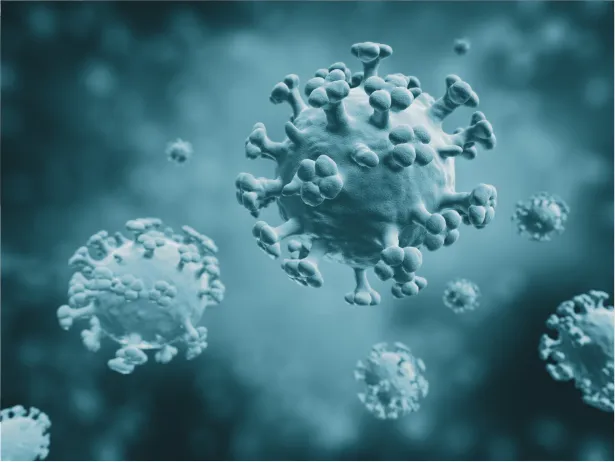
Influenza viruses warrant particular concern because they attack such a broad diversity of species. Influenza H5N1 has spread from wild birds to poultry and beyond, causing catastrophic losses for Arizona egg producers. Although influenza H5N1 can produce severe disease in humans, it is not easily spread from person-to-person currently. Hopefully, this pathogen will never become a serious public health menace, but influenza viruses are mutation-prone and disease outbreaks produced by them are notoriously unpredictable.
Humankind must come to grips with the potentially deadly ramifications of emerging animal diseases now circulating widely in our environment. Controlling destructive diseases in wildlife and domestic animals poses immense challenges. Nonetheless, approaches such as preventative vaccinations may mitigate damage if ways can be found to overcome factors inhibiting their use. The most obvious impact of the expanding influenza disease cascade has been the increased costs of table eggs. If we ignore the disease agents running rampant in wildlife and domestic animals, the ultimate toll on our environment, economy, and human health may be far worse than the rising egg prices that have so dominated public attention.
Tyler is a wilderness activist and long-term Sierra Club member