Hiking Red Butte: Experiencing the Heart of Baaj Nwaavjo I’tah Kukveni by Jim Dublinski
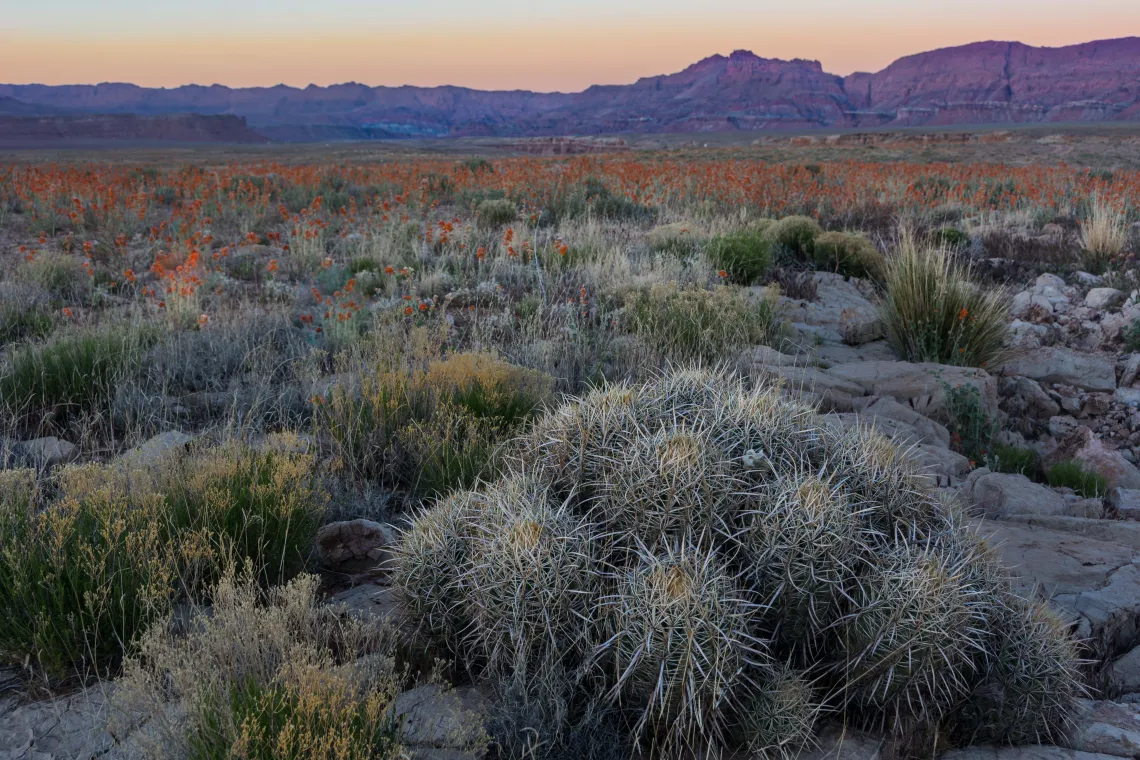
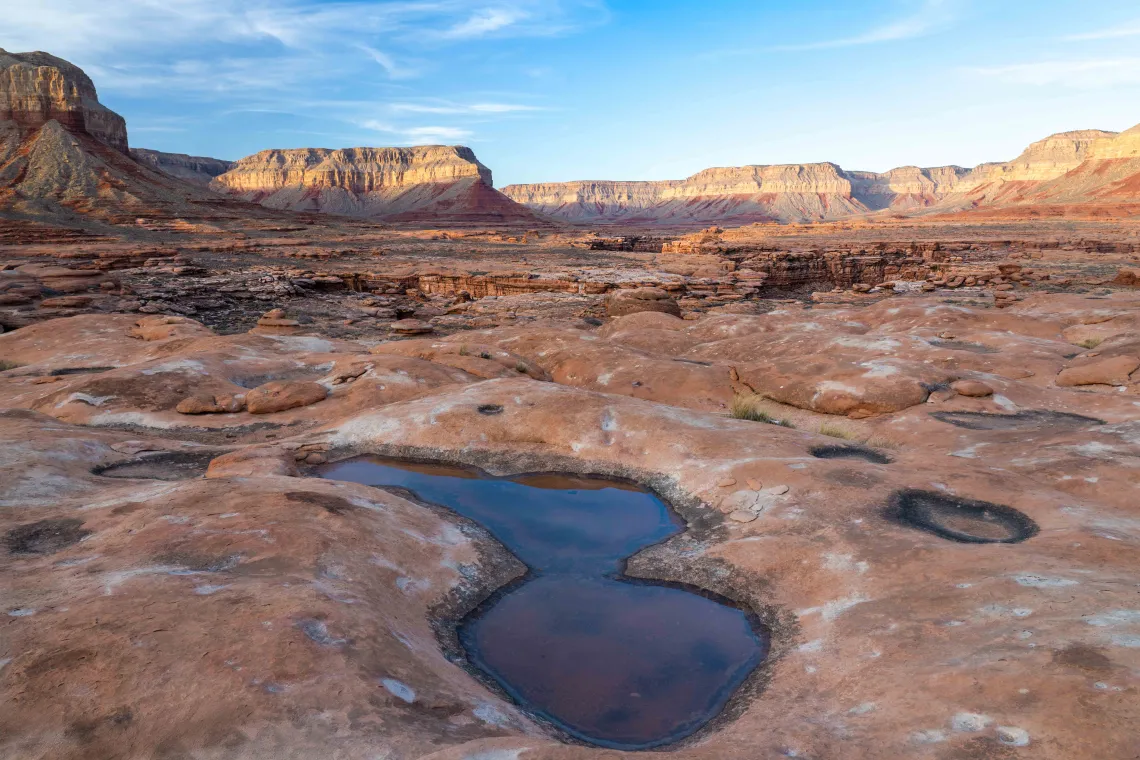
Baaj Nwaavjo I’tah Kukveni–Ancestral Footprints of the Grand Canyon National Monument spans nearly one million acres of sacred lands surrounding the Grand Canyon, safeguarding vital cultural sites, wildlife habitat, and critical water sources like the Colorado River. Its name–drawn from the Havasupai and Hopi languages–means “where tribes roam” and “our ancestral footprints,” honoring the deep ties of more than 11 Indigenous peoples who have lived, hunted, and held ceremonies here for thousands of years.
While the monument is celebrated for its remarkable landscapes and living cultural heritage, it faces ongoing threats from uranium mining. The Pinyon Plain Mine, located within the monument and only six miles from the Grand Canyon’s rim, poses serious risks to water and ecosystems.
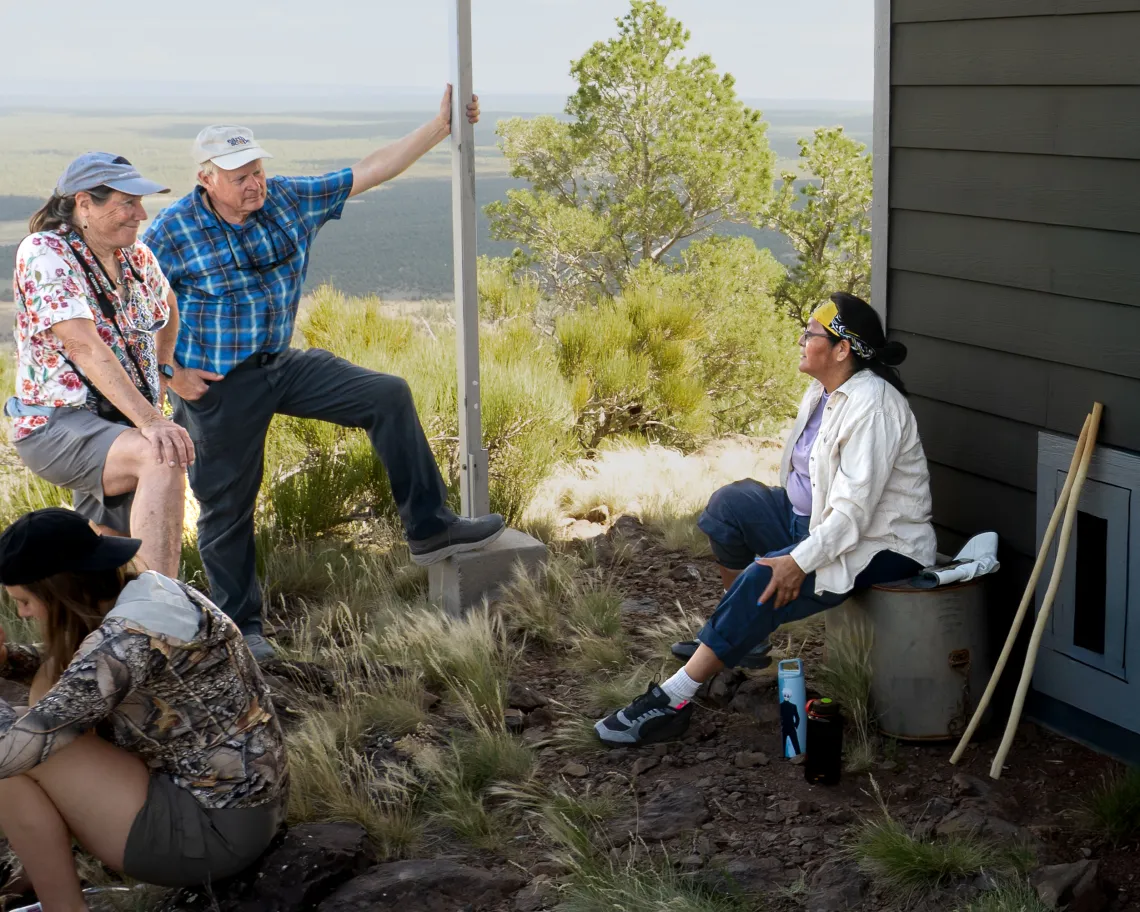
In 2024 and 2025, the Grand Canyon Chapter of the Sierra Club led outings up Red Butte, immersing participants in its beauty and cultural history. Guided by Indigenous voices, conservation advocates, and scientists–including Dr. Laura Crossey and Dr. Karl Karlstrom–participants learned about the region’s interconnected aquifers. Dr. Crossey’s research revealed that fractures and faults could carry mine contaminants up to 25 miles in just two years, undermining the outdated conclusions of the mine’s 1986 Environmental Impact Statement.
These risks are not theoretical. Since 2016, the mine has pumped tens of millions of gallons of uranium- and arsenic-contaminated groundwater. Disposal methods–such as trucking it to Utah or spraying it for evaporation–pose additional contamination hazards. The Grand Canyon region has already faced uranium mining’s toxic legacy:
- The Orphan Mine, just three miles from the park visitor center, has cost taxpayers $15 million in cleanup with no end in sight.
- The Pinenut Mine, found in 2009 to contain 2.85 million gallons of radioactive water, remains without a proper mitigation plan.
These outings involved a moderate 1.25-mile climb from 6,460 ft to the 7,326 ft summit, offering sweeping views of the Coconino Plateau and Grand Canyon. Along the way, we connected with the stunning landscape.
These experiences blend education, advocacy, and outdoor experiences–reminding us that protecting the Grand Canyon region is not just the work of organizations, but of individuals. Every voice matters, and we take action to ensure this irreplaceable landscape remains healthy and protected for generations to come.
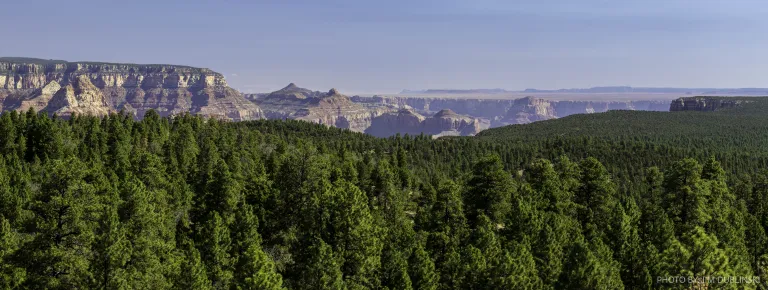
A panoramic view of the monument