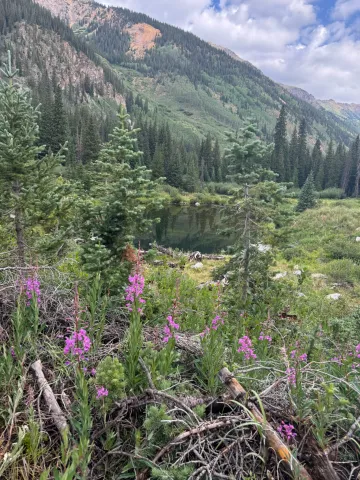
Public lands throughout the U.S. have been under assault by the Trump administration and by his allies in Congress. This new round of attacks have focused on bedrock environmental laws and rules, including the,
- 1906 Antiquities Act, established to safeguard our sacred cultural resources;
- 1964 Land and Water Conservation Fund, a program to protect natural areas, water resources, and cultural heritage while expanding public outdoor recreation;
- 1973 Endangered Species Act, which has been 99% successful at saving species under threat of extinction;
- The Roadless Area Conservation Rule (Roadless Rule), which nationally protects undeveloped U.S. National Forest lands from commercial logging and new road construction;
- And the 2024 Bureau of Land Management’s (BLM) Public Lands Rule, which placed conservation on equal footing with commercial uses like mining and oil and gas leasing
Without these vital protections, our public lands and National Parks will be open to accelerated acreage reduction, privatization, and industrialization. Let’s dive into where some of these assaults are happening and how we are fighting throughout Colorado to keep our public lands secure.
In 2025, Colorado led the nation in federal public land job losses, losing 1,753 management positions resulting in a devastating 26% workforce reduction. The federal defunding of our federal agencies is a major threat to public lands, leaving remaining personnel working in skeleton crews which severely cripples maintenance, emergency response, and visitor services across Colorado's 24 million federal acres. The consequences of this in Colorado can be seen at the,
- Maroon Bells where federal divestment has forced the closure of ranger stations and water shutoffs, shifting management burdens onto local governments;
- Sand Creek Massacre National Historic Site as extreme staff shortages have forced a seasonal closure of its vital downtown administrative and research visitor center.
At the Colorado Sierra Club, we are advocating for bipartisan sponsorship and support of legislation that would address the firings and place a moratorium on the devastating reductions in workforce at the U.S. Department of Interior, the U.S. Forest Service, and the U.S. Department of Energy.
Last year's "Big Beautiful Bill" (BBB) forced the BLM to lease over 200 million acres across the U.S. for oil and gas drilling, which threatens lands near national parks, water sources, wildlife, and cultural sites. The BBB also stripped private landowners of their right to object to federal leases on 57 million acres of their own property and slashed public comment periods to a mere 10 days, effectively cutting local communities out of the conversation.
As a grassroots organization, civic participation is of paramount importance to us. It is how Coloradans succeeded in protecting 4,000+ acres of the Roan Plateau from oil and gas lease sales in 2024. The BBB has put those very same acres back on the list for oil and gas leasing. To fight back, we are asking Republican members of Congress to co-sponsor Rep. Joe Neguse's "Local Impact Act." This crucial bill would restore both public input for federal lease sales and also the Secretary of the Interior's power to block drilling projects that clash with the public good.
Resource Management Plans (RMPs) govern the long-term balance between industrial, agricultural, recreational, and conservation uses on public lands. The BLMs upcoming fall 2026 review of the Uncompahgre Field Office's RMP is a critical flashpoint for southwestern Colorado. This impending amendment guides the future of roughly 678,000 surface acres spanning Delta, Gunnison, Mesa, Montrose, Ouray, and San Miguel counties. Driven by a recent litigation settlement, the amendment threatens to open massive new acreages to oil and gas leasing, locking in decades of fossil fuel pollution.
This fall, we will be educating and facilitating the general public to participate in the upcoming formal public comment period about this issue to stop this corporate handover. Sign up to receive our emails to stay engaged with this.
The Colorado Sierra Club Public Lands team is working tirelessly to expand both land conservation as well as opportunities for and access to outdoor recreation, especially in underserved communities who have been historically marginalized or excluded from the great outdoors.
Our current primary state level initiative is campaigning for designate the Chubb Park state trust land parcels as a new Colorado State Park by June 2027. Currently closed to general public hiking, this ecological asset is restricted to seasonal hunting and fishing license holders. Our campaign directly answers the state's legislative mandate to balance revenue generation with long-term conservation.
In July 2026, the Trump administration illegally slashed Bear Ears and Grand Staircase-Escalante National Monuments, leaving a fraction of their original boundaries.
Both Monuments were designated after significant public, tribal, and local government engagement, but the current administration has reduced both by a combined total of over 3 million acres representing a 90% reduction of the previous boundaries. Bear Ears and Grand Staircase-Escalante, combined, protect over 100,000 archaeological sites and geological formations and form one of the largest undeveloped areas in the continental U.S. They are also just outside of the border of Colorado.
On August 3, 2026, Senators Lujan, Heinrich, and Durbin, along with 34 other Senators, sent a letter to the Trump Administration expressing srong opposition to the downsizing of the Monument Boundaries.
Public land assaults are also being felt across our vast forests managed by the U.S. Forest Service by the deletion of the 2001 Roadless Rule. This nearly-25 year old national conservation measure protected over 45 million acres of U.S.A's undeveloped forest and grasslands backcountry by restricting road construction, logging, mining, and land clearing activities across pristine landscapes. Submit a comment to advocate for saving the Roadless Rule today.
While Colorado's Roadless Rule will stay intact, this management change has the potential to cause serious harm to important national watersheds, fish habitat, and the general biodiversity of sensitive habitats under increased threat of adjacent development.
As the assaults continue to pile, we recognize the need, now more than ever, to fight back locally and nationally. Full time staff and volunteer teams have been directly involved with Sierra Club national committees that have been tirelessly lobbying both Federal and State level Congressional staff, writing Letters to the Editor, and joining forces with partner environmental advocates in an effort to mitigate, and potentially reverse, these harmful decisions.
The Sierra Club Colorado Chapter needs all hands on deck! Please contact us if you have an interest in helping Colorado staff address these challenges and join us at an upcoming event on National Public Lands Day (September 26!).