Kerri Pang
For decades, the United States has relied on the Antiquities Act to preserve public lands and waters for people across the country. Yet despite overwhelming public approval of this bedrock environmental law, recent attacks on the Antiquities Act and national monuments may put millions of acres of public lands in California at ris
What is the Antiquities Act?
- Grants presidents the authority to protect lands by designating national monuments.
- Has protected millions of acres across more than 20 protected areas in California since its enactment in 1906.
Why are National Monuments Important?
- Bipartisan public support: Since President Theodore Roosevelt first signed the Antiquities Act into law, 18 Presidents – 9 Republicans and 9 Democrats – have used the Antiquities Act to safeguard public lands, oceans, and historic sites, including some of California’s most treasured landscapes.
- Economic Benefits: Threats to national monuments put local jobs and quality of life at risk, particularly in rural areas where outdoor recreation is a key driver of economic activity. Attacks on our public lands are an attack on California’s $81.5 billion outdoor recreation economy. There are more jobs generated by the California outdoor recreation sector than there are California jobs produced by the wine and film industries - combined.
- Environmental Benefits: Allowing the President to designate national public lands and waters as national monuments protects beloved natural and cultural landscapes, and sensitive ecosystems from development like mining, drilling, and logging. It also safeguards cultural and historical sites important to telling the stories of our country and honoring peoples’ connections to public lands.
- Protecting critical habitats for imperiled species: This includes the California condor (Carrizo Plain NM); desert tortoise (Mojave Trails and Sand to Snow NMs); Southern Sierra fisher (Giant Sequoia NM); and San Joaquin kit fox (Berryessa Snow Mountain NM); just to name a few.
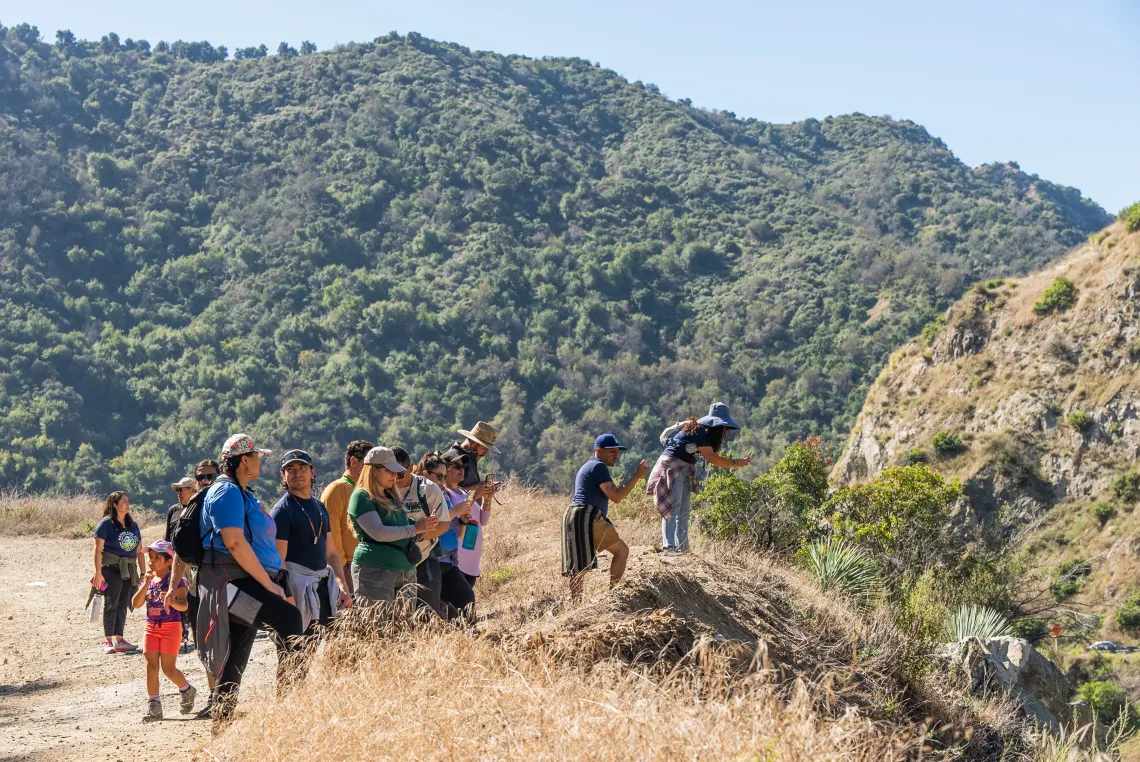
- Access to nature: National monuments are popular destinations for recreation, and provide opportunities for hiking, camping, fishing, hunting, and more.