Sections
- What is woody biomass and how is it used?
- Which uses of woody forest biomass are the most environmentally harmful?
- What are woody biomass incineration, gasification, and pyrolysis?
- Why is woody biomass incineration harmful?
- What are the harms of wood gasification?
- What are the harms of pyrolyzing wood to make biochar?
- Where is biomass incineration happening?
- What are the harms of wood pelletization?
- How are wood pellets produced?
- Where is wood pelletization happening?
- What is the Sierra Club’s official policy about woody biomass energy?
- Summary
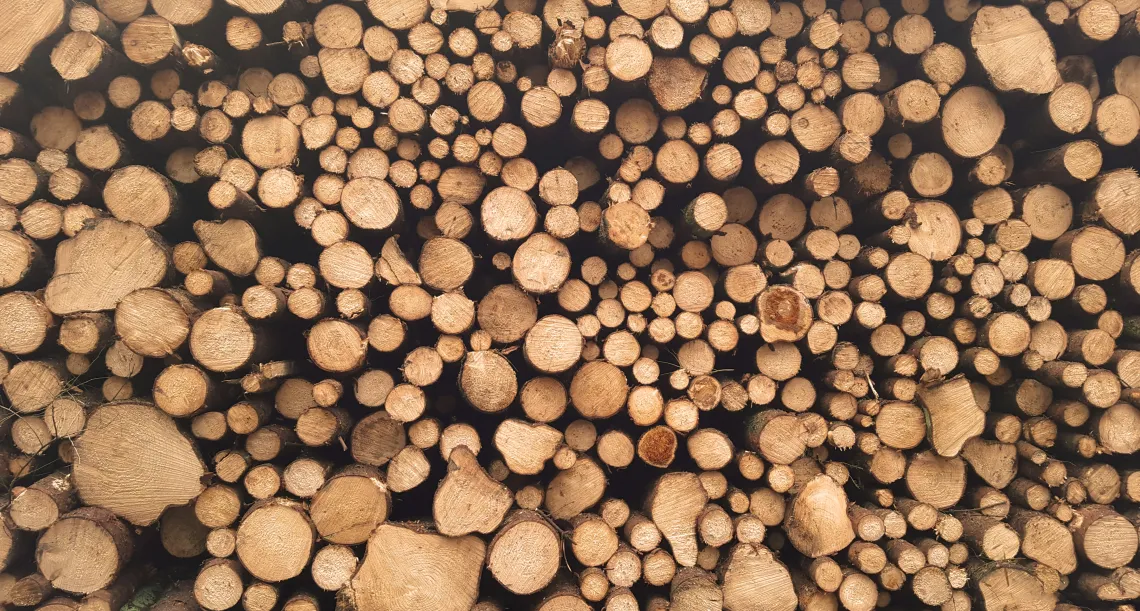
Photo by Dorelys Smits on Unsplash
What is woody biomass and how is it used?
Woody biomass refers to the organic material derived from trees and other woody plants. The most significant source of woody forest biomass is logging by-product. While it can be a valuable resource for various applications, it's essential to recognize the potential harmful uses associated with it.
Woody biomass from forests can be used for construction materials, mulch, and animal bedding. Woody biomass is also increasingly used for bioenergy and biofuels, as well as for other products, including biochar. Wood pellets are created for use in incinerators.
Which uses of woody forest biomass are the most environmentally harmful?
The most environmentally harmful uses of woody forest biomass include energy production through incineration and gasification, biochar production through pyrolysis, and wood pellet production.
What are biomass incineration, gasification, and pyrolysis?
Woody forest biomass incineration produces energy, either electricity or heat, by burning wood at specialized facilities. Biomass incinerators can burn a wide range of woody fuels, including logs, wood chips, bark, sawdust, and wood pellets.
Woody forest biomass gasification converts woody materials into gases, mainly nitrogen (N2), carbon monoxide (CO), hydrogen (H2), and carbon dioxide (CO2).
Woody forest biomass pyrolysis thermally decomposes organic matter, breaking covalent bonds in an inert, oxygen-free environment and producing a gas that can be burned to generate energy.
Why is woody biomass incineration harmful?
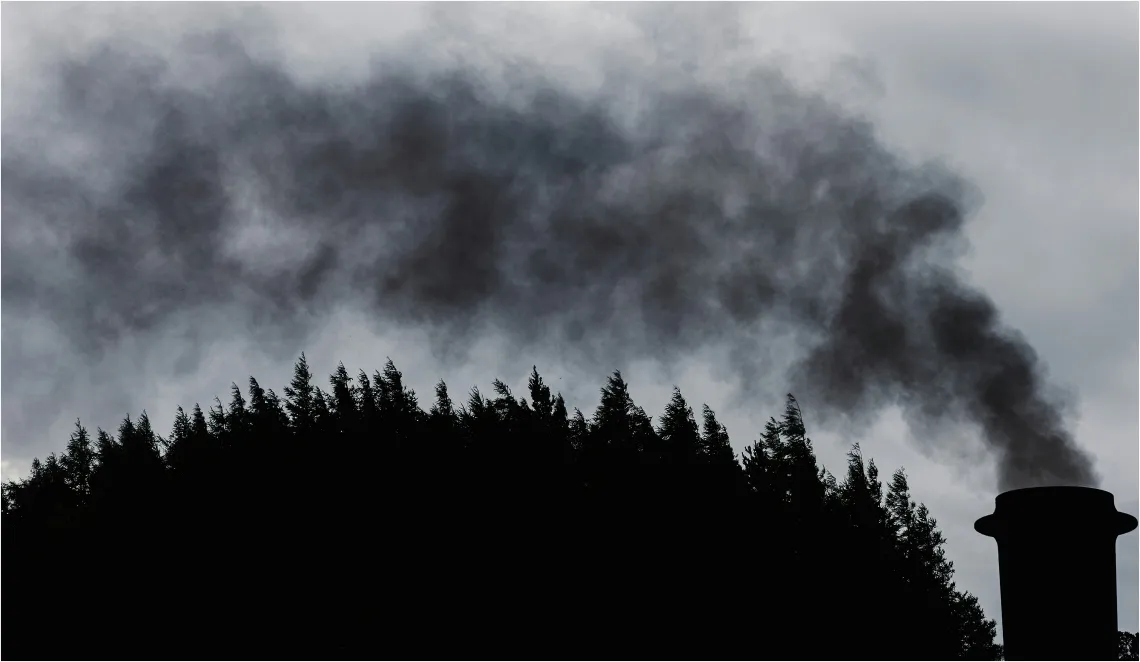
Photo by Hugh Green on Unsplash
It emits more carbon dioxide per unit of energy than coal or natural gas because of its lower energy density and higher moisture content.
In addition to carbon dioxide, it also emits a complex mix of other harmful substances. These include Particulate Matter (PM2.5 and PM10), Volatile Organic Compounds (VOCs), Carbon Monoxide (CO), Nitrogen Oxides (NOx), and Sulfur Dioxide (SO₂), as well as heavy metals (e.g., lead, arsenic, mercury).
It is touted as carbon-neutral, but this is not exactly true. The argument is that trees absorb CO₂ as they grow. If you burn wood and replant trees, the new growth should eventually reabsorb the released carbon. However, this assumption assumes perfect forest regrowth and overlooks the time lag, known as the carbon payback period, that can take decades or even centuries. It also does not account for carbon emissions from logging, shipping the wood to other locations, or processing it.
It is also advertised as renewable energy, and, technically, yes, it is. Trees can be replanted and will regrow, but, again, growth takes decades or centuries before true renewal occurs.
The most significant health impacts on residents near incinerators come from air and noise pollution. “DVR” (D = disadvantaged, V = vulnerable, and R = rural populations) communities with poor access to medical care are most at risk of having biomass incinerators located near them, another example of environmental injustice.
Living near a woody biomass incinerator is associated with numerous health impacts, including both acute and chronic illnesses. The list includes:
- Sinus, mouth, throat, and skin irritation
- Coughing
- High blood pressure
- Asthma
- COVID-19
- Bronchitis
- COPD
- Diabetes
- Mental health issues
- Hepatitis
- Heart disease
- Kidney disease
- Lung cancer
What are the harms of wood gasification?
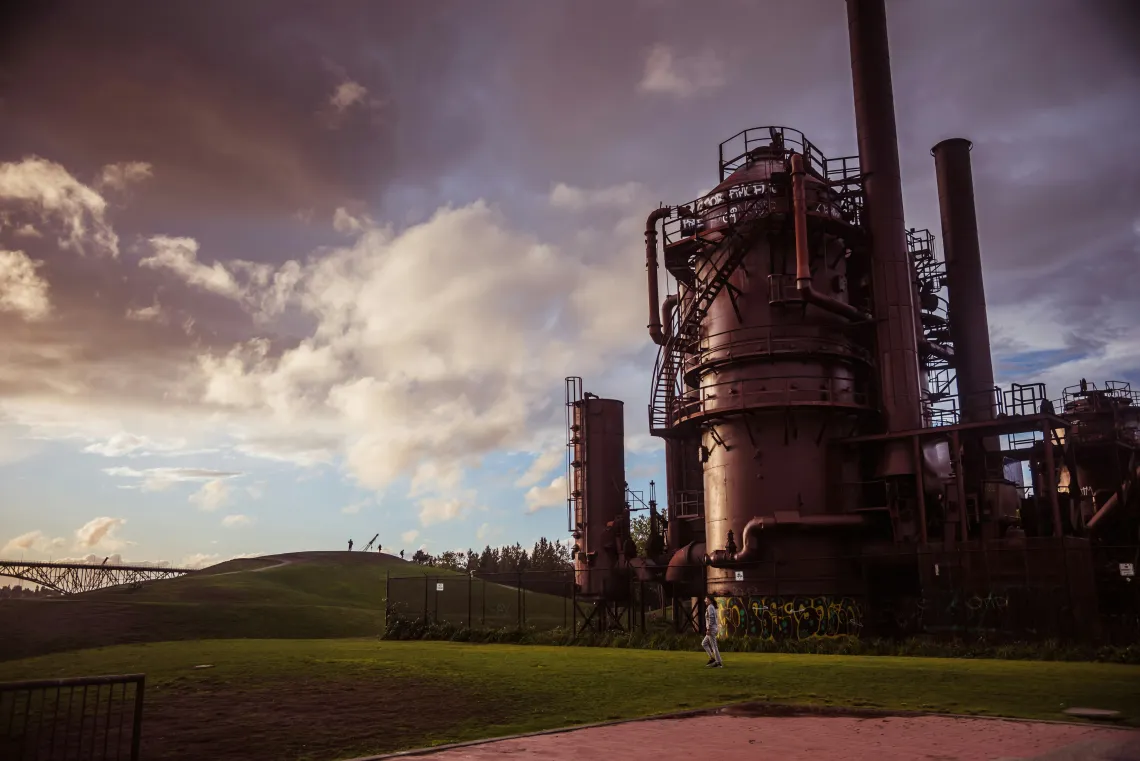
Photo by Max Bender on Unsplash
Although it is relatively less polluting than biomass incineration, gasifying wood to produce "green hydrogen" still has negative environmental impacts. According to Dr. Shaye Wolfe from the Center for Biological Diversity, this process further contributes to pollution by releasing CO2 and particulate matter, exacerbating the climate crisis and posing health risks, particularly to nearby communities. Additionally, Dr. Wolfe notes that producing green hydrogen is water-intensive and costly, and that its transportation is as well. It can also explode.
What are the harms of pyrolyzing wood to make biochar?

Photo by Dinesh Kumar on Unsplash
Pyrolysis to produce biochar can cause pollution, but the extent depends on how it's done.
While biochar is often praised for its environmental benefits (improved soil health and water retention, carbon sequestration, and adsorption of heavy metals and organic pollutants), the pyrolysis process—heating biomass under low-oxygen conditions—can release air pollutants if not properly managed. Potential pyrolysis-related pollutants include particulate matter, VOCs, polycyclic aromatic hydrocarbons, carbon monoxide, nitrous oxides, and persistent free radicals. Factors that influence the amount of pollution emitted during pyrolysis include pyrolysis temperature, reactor design, and the adequacy of emissions controls.
In addition to pollutants generated by biochar production, emissions also come from shipping woody feedstock from forests to pyrolysis facilities.
Where is biomass incineration happening?
Woody biomass incineration is occurring across many regions of the U.S., with California among the most active states. Here's a snapshot of where it's occurring:
- Desert View Power (Mecca) – Burns woody biomass for energy
- Honey Lake Power (Wendel) – Uses high-hazard forest material and thinnings
- Mount Lassen Power (Westwood) – Processes woody biomass
- Pacific Ultrapower (Jamestown) – Converts forest residue into electricity
- Rio Bravo Rocklin (Lincoln) – Burns agricultural and urban wood waste
The California Forest Products and Biomass Power Plant Map details more facilities, including operational status and sourcing regions.
Woody biomass incineration is also occurring worldwide. Countries like Sweden, Finland, Germany, Portugal, and Spain are major players, as are Japan, South Korea, Australia, and South Africa. The Environmental Paper Network’s biomass map shows operational, planned, and expanding facilities worldwide.
What are the harms of wood pelletization?
Photo by Andres Siimon on Unsplash
Woody forest biomass pelletization involves compressing biomass sources into small, uniform pellets. Obtaining energy from pellets is more complex, but the wood pellet form enables easier transport and better storage durability.
Wood pelletization harms the environment in many ways. These include:
- It increases demand on forest ecosystems for feedstock, with attendant forest degradation, soil degradation, impacts on water supplies, and disruptions to wildlife habitats.
- It causes environmental injustice due to the health impacts for those who work at or reside near factory sites and storage facilities from air and noise pollution, most, if not all, of which are located in low-income communities of color.
- Potential for explosions at factories and storage facilities
- Increased carbon emissions from logging activities and from shipping feedstock to production facilities, then to wood pellet storage facilities, and then overseas.
How are wood pellets produced?
Wood pellet production happens at a wood pellet factory. The steps, according to Tran et al:
- Wood pelletization starts with removing the bark from wood sources, followed by using a hammer mill to chip the wood down to a diameter of less than 2.5 inches.
- Next, a dryer line consisting of a furnace, rotary drum dryer, and cyclone apparatus removes moisture and fibers from the wood chips.
- Third, the wood chips are transported to additional hammer mills and ground into minuscule chips measuring <0.16 inches.
- A boiler softens the wood fibers, and rotating press rolls in a pellet mill compress them before they exit through a sizing die. Compression is dynamic as fibers get heated to 180 ℉, and pellet coolers cool them back to room temperature to minimize spontaneous combustion.
- Throughout the process, conveyors, trucks, and railcars store, handle, and transport wood logs, fibers, bark, and pellets.
Where is wood pelletization happening?
- Over a decade ago, the wood pellet industry established itself primarily in the Southeastern United States, but it is now expanding across the country and into Canada.
- In 2024, the U.S. produced 10.0 million metric tons of pellets, and Canada produced 3.6 million metric tons; since the early 2010s, both countries have produced a cumulative 120 million metric tons.
- Many other countries worldwide also produce wood pellets, chief among them Vietnam.
- As of October 2024, global wood pellet production is estimated at approximately 54.6 million metric tons.
What is the Sierra Club’s official policy about woody biomass energy?
The Sierra Club’s Forest Biomass Policy (June 2025) declares that forest biomass energy is not clean, not renewable, and not climate‑beneficial. The policy calls for a prompt shift away. The policy can be viewed here.
Summary
In reality, using woody biomass to generate energy is a flawed solution that releases large amounts of planet-heating CO2 and toxic air pollutants. It disproportionately affects low-income communities of color, who are already suffering from high pollution burdens, depletes forests, is expensive, and relies on public subsidies. Although proponents offer many justifications, it is dangerous and unnecessary. Transforming woody debris left in the wake of logging operations into biochar is the least environmentally harmful option, but it still has downsides.
For more resources about Woody Biomass Energy, click here.