By Deborah Williams
In the midst of the current political maelstrom that threatens our environment, our climate and other critically important foundations of life and humanity, we can feel so overwhelmed that it is difficult to act. Small steps can seem meaningless. But they are not. They are empowering.
We have control over what we consume and how we consume. Making positive, climate-friendly choices reminds us that we can make a difference, which helps inspire us to engage in needed collective action, too.
This column focuses on not using single-use plastic containers in our kitchens, bathrooms and laundry areas. (A previous column focused on alternatives to single-use beverage containers). From my personal experience, I have found that implementing these strategies has consistently been motivational and win-win -- and even more so this year.
According to scientists, plastics are responsible for 4.5% of greenhouse gas emissions, and their use is growing significantly. Almost every plastic item is created from fossil fuels; and, each step in the lifespan of a plastic container emits greenhouse gases: from oil and gas extraction, to refining and manufacturing, to degradation.
Studies have shown that: “A total of 95% of the plastic used in packaging is disposed of after one use, a loss to the economy of up to $120 billion annually.” Unfortunately, it is easy to fill our kitchens, bathrooms and laundry areas with single use plastic containers. Fortunately, there are many much better plastic-free alternatives.
Here are easy and effective steps to reduce plastic containers. A good first step is to do a quick inventory of plastic containers in our homes, including the kitchen, bathroom, garage and laundry room areas. Most households use single use plastic containers for laundry detergent/fabric softener; dishwasher detergent/scale remover; liquid soap; shampoo/conditioners; toothpaste/Dental Floss/Mouthwash; and more. Then it is fun and cost-effective to make simple changes such as the following:
• Explore laundry detergent tablets, powders or strips that come in plastic free containers like: Blueland, Tru Earth, Biokleen, and Meliora. There are added benefits: tablets are not messy and take much less shelf space than big plastic laundry containers.
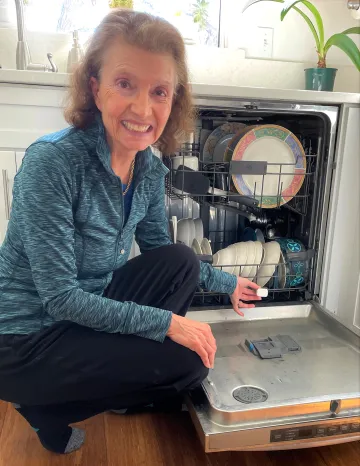
• Try dishwashing and descaling tablets and powders that come in small cardboard boxes such as: LemiShine, Dropps, Blueland, Ecover, & Beyond. Added benefits include: less mess and more available storage space.
• Enjoy using hand soap or refillable soap dispensers: Any bar soap that comes wrapped in paper or paperboard works well; as do refillable tablet-based soap dispensers, like Blueland.
• Try bar shampoos and conditioners that have zero plastic waste like The Earthling Company Shampoo and Conditioner; Kitsch Rice Bar Shampoo & Conditioner; and Humby Organics Purple Ranin Shampoo Bar.
• Explore toothpaste, dental floss and mouthwash that have zero or near zero plastic waste, like Bite, Humankind, and Eco Roots.
• Consider tablet-based toilet bowl cleaners like Blueland.
• Find refillable cleaning solutions as well as bath and body products at The Refill Shoppe in Ventura, CA, or other refillable locations.
There are additional environmental and public health reasons to implement these changes. As noted by the Endocrine Society and Jodi Flaws, Ph.D., at the University of Illinois: “plastics contain and leach hazardous chemicals, including endocrine-disrupting chemicals (EDCs) that threaten human health…. Many of the plastics we use every day at home and work are exposing us to a harmful cocktail of endocrine-disrupting chemicals."
Furthermore, the oil industry makes more than $400 billion a year producing plastics. As demand for oil for cars and trucks declines, the industry is telling shareholders that future profits will increasingly come from plastic. Unless we start reducing our use of plastics, analysts now expect plastic production to double or triple by 2050. Let’s not allow this to happen. There are simple and inexpensive ways to cut plastics usage without sacrificing convenience or effectiveness of the products.
The organization Zero Waste lists three reasons why “Individual Action Matters”: 1) Consumers drive demand; 2) Taking action reduces eco-anxiety, especially for children, by helping to shift fear to empowerment; and 3) Making positive changes inspires hope, and serves as an example to others.
Together with Sierra Club collective action, it is important to continue to embrace individual action to address climate change. We matter; and our actions matter.