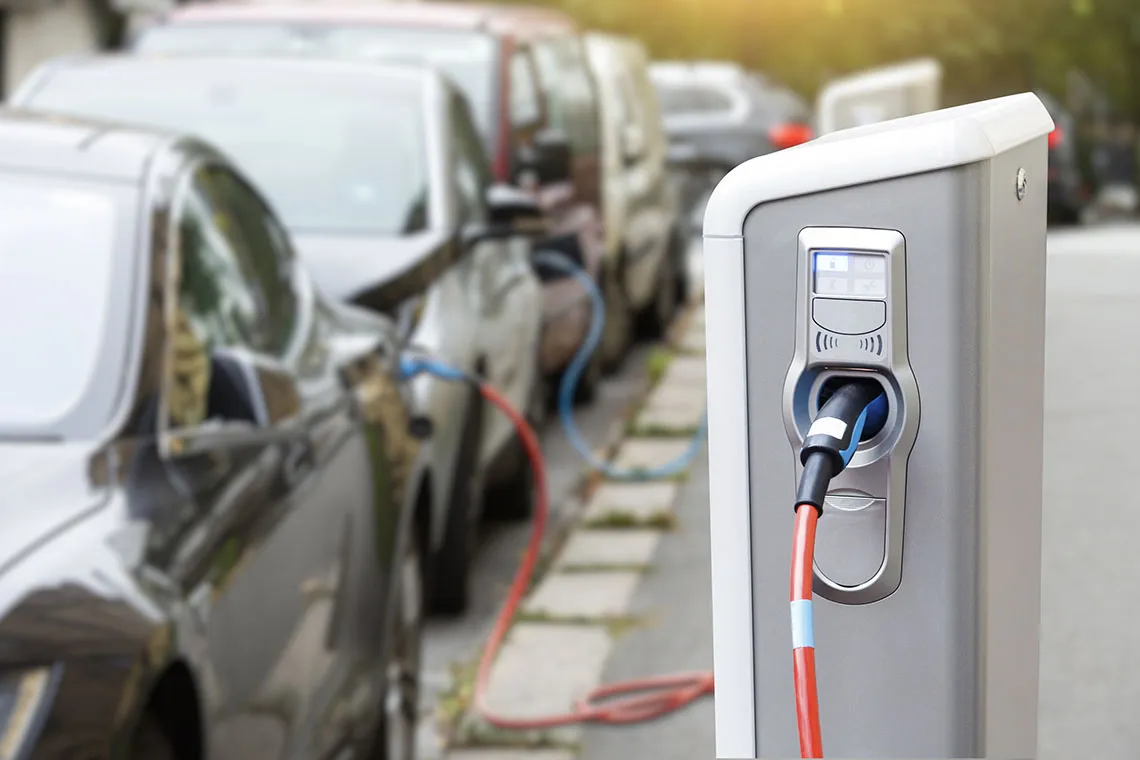
Electric vehicle (EV) charging infrastructure is the backbone of a cleaner, more affordable transportation system, but the United States is still in the early stages of building it out. A new Sierra Club analysis of three federally funded charging programs shows that while states are beginning to make meaningful progress, the pace remains uneven. There is still a lot of work ahead to build out a robust charging network for cars and trucks.
The report evaluates states’ performance in delivering infrastructure to residents and fleets across three major federal initiatives: the National Electric Vehicle Infrastructure (NEVI) Formula Program, the Charging and Fueling Infrastructure (CFI) Grant Program, and the Clean Ports Program (CPP). Together, these programs were designed to create a comprehensive charging ecosystem spanning highways, freight corridors, and local communities.
A Slow Start, Now Gaining Speed
Early progress was sluggish. States, federal agencies, and private partners all faced a steep learning curve in planning and deploying charging infrastructure at the pace our nation desperately requires. By early 2025, only a handful of federally funded charging stations were operational.
However, the pace has begun to accelerate. States are increasingly obligating funds—i.e. committing them to specific projects (an important indicator of success)—and beginning construction (the most important indicator of success!). By the end of 2025, the number of operational highway charging stations funded through NEVI had doubled. Spending has also increased, signaling that more projects are moving from the planning stage to reality.
Even so, the big picture is clear: the majority of available funding remains unspent, and most of the planned charging network has yet to be built. We need states to move faster.
Why Charging Matters
These delays have real consequences. Access to reliable charging remains one of the biggest barriers to EV adoption. While about two-thirds of Americans live within a few miles of a charger, that leaves millions without convenient access, particularly renters and residents of multifamily housing.
This gap shapes consumer behavior. Many drivers are hesitant to switch to EVs without confidence that charging will be as accessible and reliable as gas stations. Imagine a world where that’s the reality! We can get there if states take full advantage of these federally funded programs.
The same challenge applies to commercial fleets, especially in freight, where charging availability directly affects operational decisions.
The opportunity is immense. Gas and diesel prices are high right now, which makes access to EVs more important than ever. Expanding charging infrastructure is essential not just for environmental goals like reducing climate-disrupting pollution and health goals like cleaning up our air, but also for providing good paying jobs, reducing transportation costs and freeing people from the gas rollercoaster. EVs offer lower fuel and maintenance costs over time, while also cutting harmful emissions.
Leaders and Laggards
Some states have emerged as clear leaders, rapidly obligating funds, coordinating with utilities, and bringing stations online. Others have lagged, leaving federal dollars unused and slowing progress for their residents.
But success is not confined to any one region or political alignment. Both red and blue states are among the top performers, demonstrating that effective implementation is less about ideology and more about execution.
Despite the Trump administration’s attempts to kill the NEVI program, Sierra Club, partners, and state fought back to protect the program and states were able to move forward.
In February 2025, the Trump administration illegally froze the NEVI program. Sierra Club, its partners, and a coalition of twenty states and Washington, DC challenged that action in federal court and successfully lifted the freeze. NEVI funding began flowing again in June 2025 for certain state plaintiffs, was restored nationwide in August 2025, and was ultimately secured for all states by a January 2026 court order that protects the program from further disruption. Despite these months-long obstructions, 2025 was still the most productive year in the program’s four-year history.
Best Practices
The new Sierra Club report offers several recommendations to states for taking full advantage of their federally funded programs so residents can reap the benefits soon.
- Move funds quickly: States and other entities that obligate funding early are better positioned to avoid delays and protect against funding losses.
- Governors lead the way: Strong state leadership can set clear expectations and empower state agencies.
- Coordinate effectively: Close collaboration between state agencies, utilities, and private developers increases project efficiency and avoids costly setbacks.
- Set clear targets: Establishing timelines and accountability measures keeps projects on track and ensures steady progress.
- Build for the future: Investing in higher-capacity chargers and scalable infrastructure ensures the network can meet growing demand.
- Engage the public: Departments of Transportation in particular should strengthen public outreach around EV charging buildout, including clear signage on highways to indicate where EV charging is available in order to reduce range anxiety.