The Magazine of The Sierra Club
Data Centers Are Hogging This Town’s Water
A lawmaker wants to commandeer water access to quench the growing thirst of Big Tech
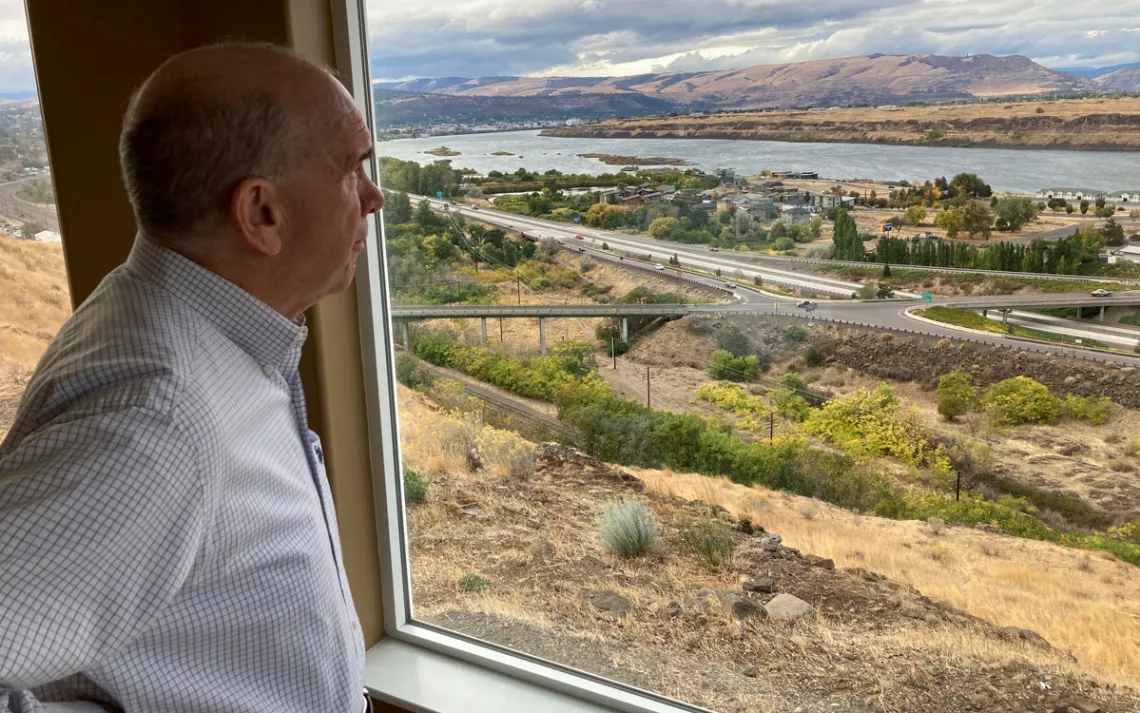
The Dalles Mayor Richard Mays looks at the Columbia River from his hilltop home in The Dalles, Oregon. | Photo courtesy of AP Photo/Andrew Selsky, File
An Oregon representative is trying to push through a bill in Congress that would cede federal public land to a local town so that it can double the size of its reservoir. On paper, Representative Cliff Bentz has indicated it's needed to accommodate the projected population growth of The Dalles, a small town on the banks of the Columbia River. But local advocates fear that cold-water streams in Mt. Hood National Forest might actually be diverted for corporate profit—namely, to feed Google’s hub of data centers in The Dalles.
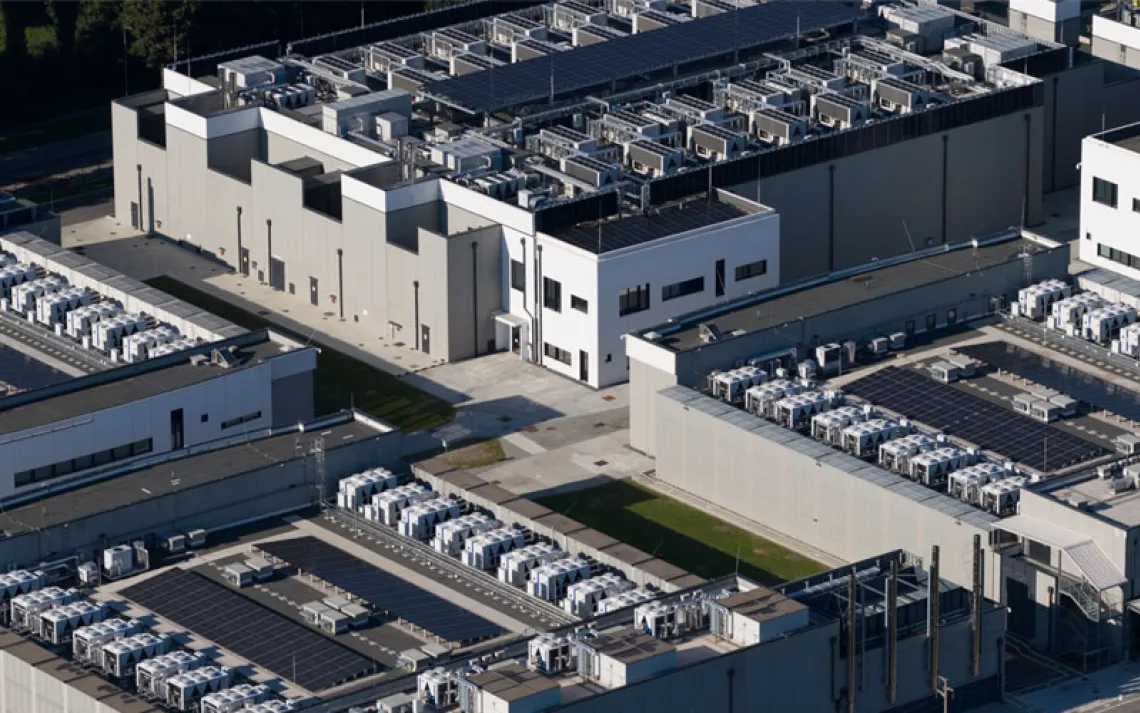
Recent reports indicate that the tech giant alone accounts for 40 percent of the city's total water usage. Data centers siphon tremendous amounts of water to cool off constantly running servers. If passed—it still needs approval in the Senate—the Dalles Watershed Development Act (HR 655) would lead to siphoning water off an already fragile watershed that feeds into the Columbia River. Doing so would likely threaten Indigenous treaty rights and the health of endangered salmon.
In response to the bill, a dozen regional and statewide environmental organizations formed a coalition asking Oregon's senators, Ron Wyden and Jeff Merkley, to oppose the land transfer. Once the land is no longer subject to federal protections, construction could occur with little oversight. It's a sweetheart deal for one of the wealthiest corporations on the planet, the coalition argued in a letter to Wyden's office.
"HR 655 is not explicitly about data center development, but given the context, it's really the only possible rationale," said Sangye Ince-Johannsen, an attorney with the Western Environmental Law Center, a member of the coalition. "You could read it as a test case demonstrating how municipalities and tech companies are attempting to bypass federal environmental reviews to privatize public land and secure cheap resources."
The city of The Dalles maintains that the bill has nothing to do with Google’s thirst for water and that it has held rights to the water in question for more than a century. Until it expands the reservoir, the city can’t draw and store all the water it’s legally allowed to. "The City's planning documents reflect broader system-wide capital needs," The Dalles' city manager's office said in a statement. "The city plans and operates one municipal water system for the whole community, not a dedicated supply for one private customer."
The Dalles' water planning documents show that average daily residential water demand will increase by 45 percent over 50 years, with the city swelling to a projected 20,000 residents. But nonresidential usage broadly is estimated to rise by 200 percent in the same time frame. The city's website states that upgrades to the water system will be paid for through a variety of means, including increases to residential rates, government grants and loans, and "payments from companies like Google through agreements with the City."
Representative Bentz’s office and Google did not respond to multiple requests for comment.
In nearby Hood River County, advocates are worried that the reservoir expansion could affect the wider watershed that sustains agriculture, fishing, and tourism in the Columbia River Gorge National Scenic Area. "The Dog River spills into the Hood River, which comes into our county,” said Carrie Thomas, a farmer and teacher who helps run a nonprofit called Thrive Hood River, another member of the coalition. Normally, the organization doesn't get involved in issues beyond its own borders. "But this is a bigger issue than just one county," Thomas said. "This is our water, and big corporations taking more than their fair share."
Environmental advocates say that they were blindsided by the bill when Oregon Public Broadcasting reported on it in January of this year. "Transparency is a two-way street, and [Google and The Dalles] haven't met with our coalition to talk about these concerns," said John DeVoe, the former executive director of an advocacy group called WaterWatch.
While the bill marks an escalation in the city’s water woes, the dispute regarding how much flows where goes back to 2021, when The Dalles sued The Oregonian, the state's largest newspaper, over public records requests. If granted, it would have revealed Google's local data center’s water usage. Instead, the lawsuit kept the data private before a city council vote over the company's deal with the city.
Many environmental advocates say that the decision led to an atmosphere of mistrust that persists today. In March 2026, the city's mayor, Richard Mays, said the position "is coming back to haunt us today" in a public meeting, as local residents expressed a lack of trust in the city's dealings with Google.
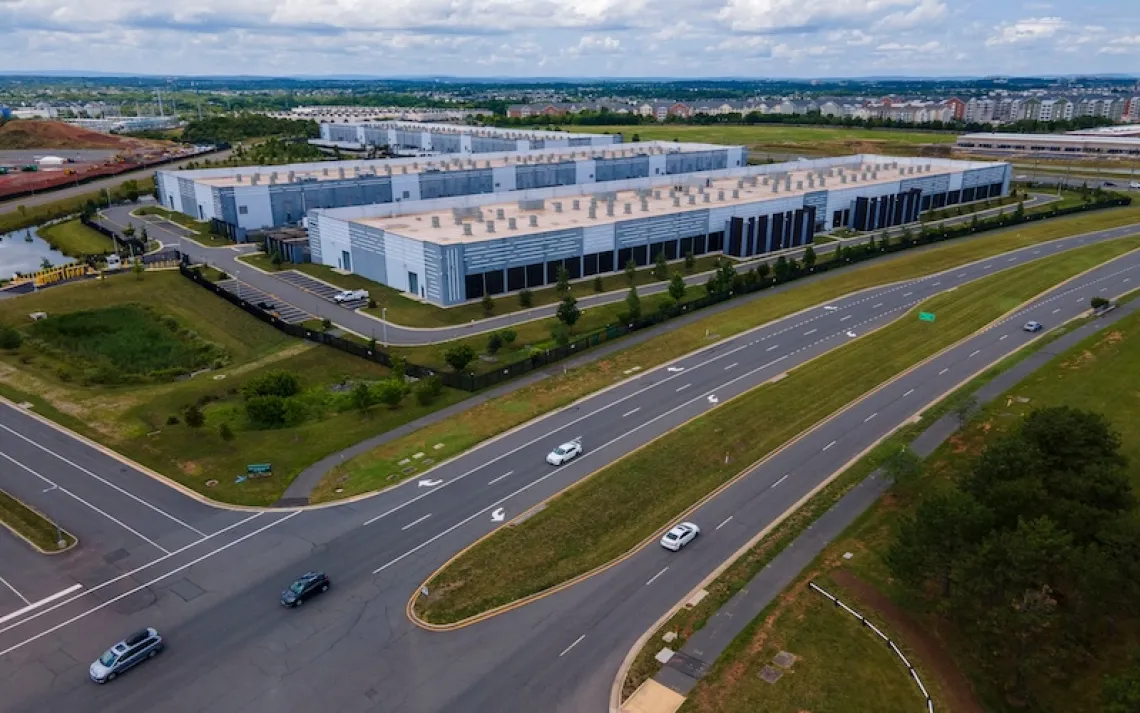
Even so, such transparency problems aren't limited to The Dalles. Almost anywhere that a tech company has set up shop, DeVoe said, advocates run into similar barriers. "There are nearly 130 data centers now in Oregon,” DeVoe said. “And for the most part, we don't know where they get their water from."
State regulations and reporting requirements on how much water data centers use are virtually nonexistent, despite their massive consumption. In Oregon, this compounds existing stresses on the limited water supply, including climate change, which has intensified droughts in the region and led to reduced summer snow melts.
"The Columbia Basin's water rights are already oversubscribed,” DeVoe said. “Multiple states have their straws in the basin, with different standards. And the river suffers as a result of this race-to-the-bottom dynamic."
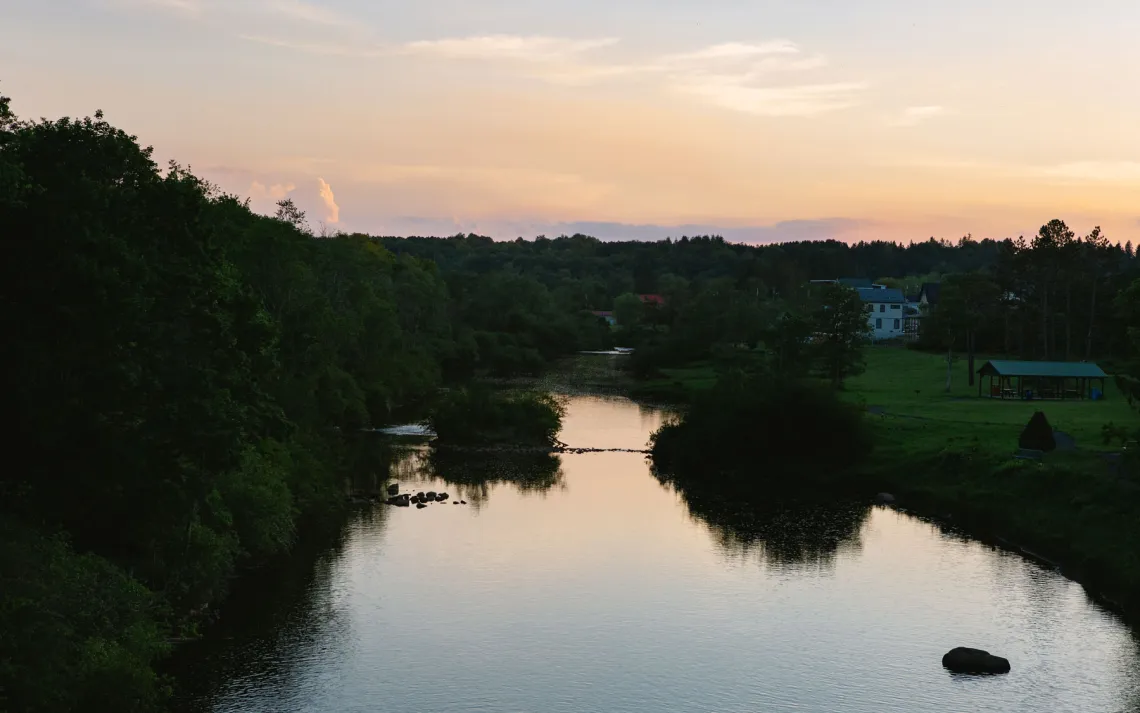
The Columbia River's extensive system of hydropower dams has also created stretches of stagnant water that heat up much faster than flowing water. Washington and Oregon have designated the river as polluted due to elevated temperatures in the summer months. Cold-water streams like the Dog River, which flow into tributaries of the Columbia, help alleviate that problem
For tribal nations that ceded land along the Columbia River, ancestral fishing grounds could be disrupted. The Dog River flows to tributaries in the Warm Spring Reservation, south of Mount Hood, for example. The Confederated Tribes of Warm Springs could not be reached for comment. And the Columbia River Intertribal Fish Council (CRITFC), which represents the Confederated Tribes of Warm Springs and three other tribes with fishing rights along the Columbia River, declined to comment for the story.
However, a spokesperson for the council referred Sierra to the organization's public presentation to Governor Tina Kotek’s task force on data centers. The committee is slated to make policy recommendations to address the industry's growing impacts by this fall.
With the development of hydropower along the Columbia River, climate change, and other impacts, nearly 80 percent of salmon populations have already been lost, according to CRITFC, and tribal communities bore the brunt of the environmental costs. Data centers' withdrawal of cold water from salmon habitats could create more hot spots along the river, which spells trouble for the anadromous fish. At temperatures above 68 degrees, salmon stop migrating through the river and can even die en masse.
Additionally, data centers' wastewater discharges can add thermal stress to the river and could contain chemicals, including PFAS and biocides, that would further harm fish populations. Many of those chemicals aren't disclosed, according to CRITFC's presentation, and there's virtually no emergency planning for spills and contamination.
Additionally, CRITFC raised concerns that tribal fishers will be exposed to air pollution from on-site electricity generation at data centers. Many facilities have backup diesel or natural gas generators to ensure that they can run constantly, even during grid-wide rolling blackouts meant to prevent wildfires from igniting. Diesel generator exhaust exposes people to high levels of particulate matter and nitrogen oxide—leading causes of respiratory issues.
For Lana Jack, who identifies as a member of the Celilo Wyam tribe, The Dalles' latest water and land grab reopens deep wounds of her ancestors' displacement from the banks of the Columbia River. Celilo Falls, once one of the most famed Indigenous salmon fishing sites in the Pacific Northwest, was decimated by the construction of The Dalles Dam in the 1950s.
"Where Google sits, that's probably where we would have gotten our trout, according to [my family history]," Jack said. These days, the wildlife that she remembers roaming around Taylor Lake—deer, coyote, ducks—are long gone now with the construction of Google's campus nearly 10 years ago. "This is the white man's dream of our Columbia River, plastered over the reality of the headwaters of our sacred lands and sites."