What Are the Greenest Household Batteries?
Here's how to charge up in a more sustainable way
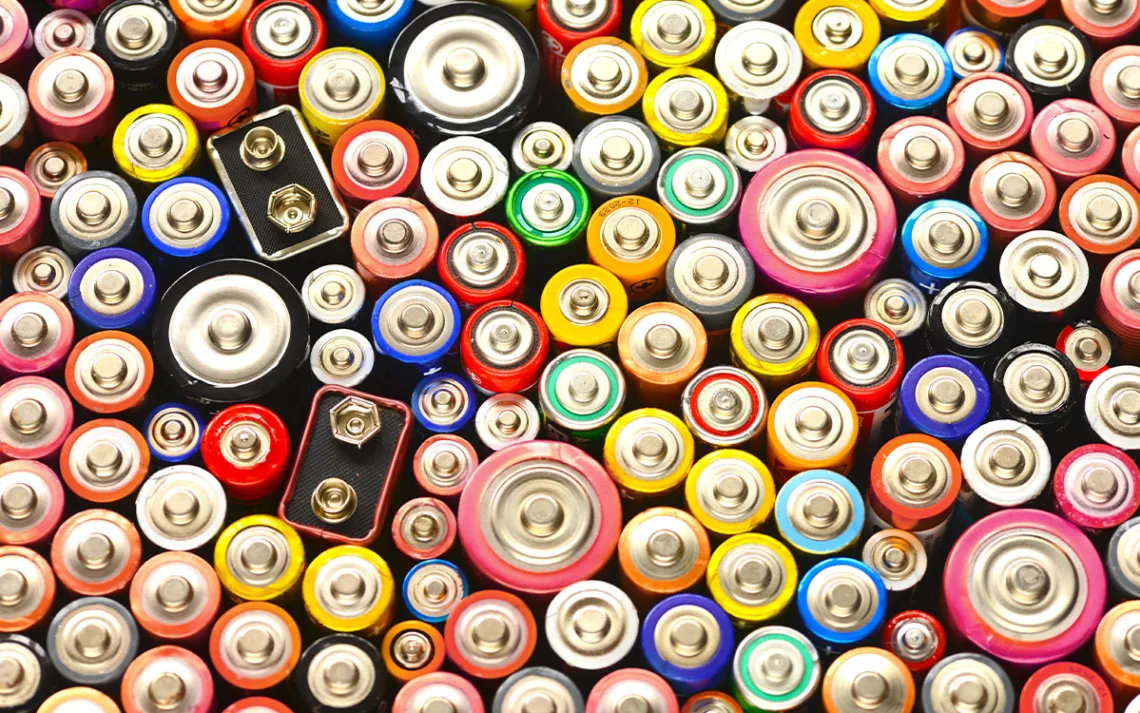
Photo by Peter Dazeley/Getty Images
Hey, Ms. Green!
What are the greenest household batteries?
—Monica in Shutesbury, Massachusetts
Rechargeable ones. Standard batteries often contain toxic chemicals such as cadmium. None of the batteries we use are exactly great for the environment—mining for their components creates pollution and so does disposing of them in landfills and incinerators. On the positive side, low self-discharge nickel-metal hydride rechargeables last longer than single-use batteries. And, on average, you only need to buy about 12 rechargeables, instead of 200 single-use batteries, every four years. According to the product-review website Wirecutter, AA and AAA rechargeables cost less than single-use batteries. Of the batteries tested, Energizer Recharge was the only one made from 4 percent recycled materials, and it performed among the best.
Here are some tips for taking care of your electronics better and extending battery life: Store batteries in a cool, dry place (not the refrigerator!). Get a high-quality charger that stops charging when a battery is full, such as the Panasonic Eneloop Power Pack. Avoid leaving batteries in the charger after they’re juiced up; overcharging degrades them.
Also choose slow or gentle mode if your charger has one. If it has a conditioning mode, use that every 10 to 15 charging cycles. Many states have laws requiring that batteries be recycled. The Call2Recycle website lists the battery and cellphone drop-off locations for responsible recyclers certified by e-Stewards.