What Is the Least-Toxic Flooring for My House?
Almost all building surfaces have toxic chemicals. Give the floor to these greener options.
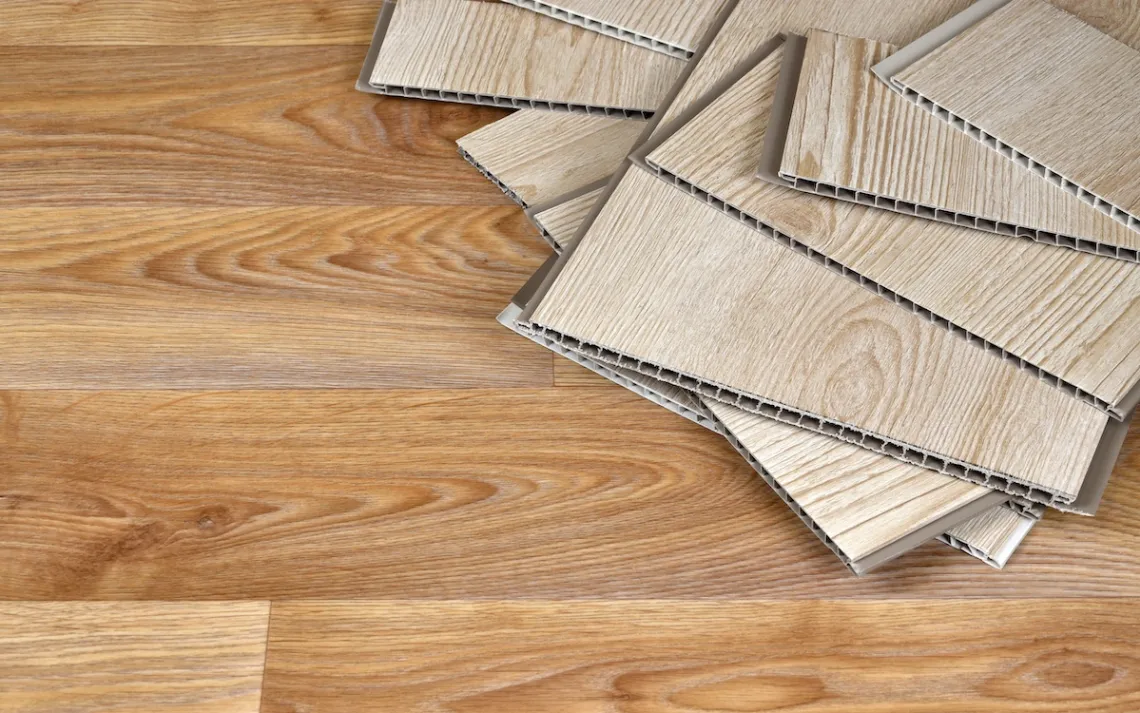
Flooring planks made with polyvinyl chloride, or vinyl (also known as PVC). | Photo by Mykhailo Polenok/Getty Images
Hey, Ms. Green!
I need a new kitchen floor, but I'm having trouble determining the most sustainable kind. Is linoleum a good choice?
—Ruth in Medford, New Jersey
We live in a world where companies often sell things that seem natural but aren’t, and aren’t as good for us as the real thing. Food with “natural flavors,” for example, can be made with and have artificial or synthetic solvents, preservatives, and emulsifiers. It can be the same for building materials. Wood-like tiles, carpet tiles, or shingles made to look like wood are just some examples. And some cork flooring can have toxic plastic polyvinyl chloride (PVC). Just like with “natural flavors,” it’s all about how it's made, and what it’s made of.
Almost every building surface these days, including flooring and glass, can have toxic chemicals. Even real wood could be treated with chemicals such as PFAS to make it more water- or stain-resistant. PFAS and other toxic chemicals can migrate from these products into dust, rub off onto your skin, or contaminate air you breathe. Toxic chemicals and plastic can also be found in flooring finishes, grout, and sealers. Lots of flooring also have nanomaterial topcoats and antimicrobial chemicals. Antimicrobial chemicals have not been proven to provide a health benefit.
PVC, or vinyl, flooring and other products are manufactured with many highly hazardous chemicals, ranging from mercury, phthalates, and bisphenol A (BPA) to flame retardants, heavy metals, and more. And when PVC is created, used, disposed, or burned, such as in wildfires, it releases cancer-causing dioxins.
Ceramic, or porcelain, tiles are also popular these days. But some can have toxic recycled content from cathode ray tubes (CRTs) from TVs and computer monitors.
Here are alternatives for a greener, safer, more sustainable floor for your feet.
Real wood might be good
Real wood, installed without toxic glues or finishes, and sourced responsibly, can often be one of the safest, most sustainable floor options. But there’s a lot of greenwashing about sustainable wood. Ask me for safer brands!
Real linoleum that’s modern or looks like wood
Of the least-toxic nonwood flooring options I researched, real linoleum made the cut. Real linoleum, invented in the 1800s, is not the plastic vinyl “linoleum” created in the 1960s. Real linoleum is made of mostly natural materials like jute. Some can last for 40 years, making it ideal for bathrooms and busy workplaces too. Plus, if you drop anything breakable, linoleum is a softer landing than other flooring. Some "liquid linoleum" and cork products have isocyanates that can trigger asthma.
One of Marmoleum's residential and commercial product lines checked off all my boxes for a safer, greener linoleum. Marmoleum Cinch LOC SEAL tiles are waterproof and possibly less toxic than their other tiles and sheets because they don’t require glue during installation. Marmoleum lines have ingredients like flax, jute, and naturally antimicrobial pine resin as well as a water-based polyurethane topcoat, and are repairable.
Flooring adhesives
Toxic chemicals can be in adhesives used during installation. The best way to avoid those hazards is to get flooring that doesn’t require adhesives. Even peel-and-stick tiles might contain alkylphenol ethoxylates (APEs). And they’re typically coated with PFAS.
“Recycled” content
A lot of flooring claims to be made with recycled materials. Unless a product is 100 percent post-consumer recycled plastic, it can have new toxic plastic. Even post-consumer content can be from toxic PVC wire and cable scrap, vehicle tires, and more.
What about green building eco-labels?
Many building products claim they’re green based on an alphabet soup of certifications and documentation. There’s no room to list them all here.
One of the most common third-party certifications is Cradle to Cradle (C2C). The greenest C2C certification is Full Scope Platinum. It goes beyond C2C Certified Material Health because it requires documentation that a product meets certain environmental and ethical labor requirements.
Practice Greenhealth’s certification is another way for people to find less-toxic products. They require documentation that products and packaging don’t contain certain chemicals of concern. And in the case of flooring, they only approve ones that don’t require some hazardous cleaners.
I reached out to Practice Greenhealth and C2C to ask how a layperson can easily tell which green building material documentation or certification means a product isn't very toxic. C2C didn’t reply.
Practice Greenhealth’s John Ullman, director of supply train transformation, did. He said, “C2C and Practice Greenhealth’s Greenhealth Approved seal are quite different from each other. Our Healthy Flooring criteria was developed specifically for resilient flooring. Our seal is licensed to products that have submitted complete and transparent information on the ingredients and chemical makeup of their products.”
Phase out PVC from all Home Depot building products
You can make a difference by signing Toxic Free Future’s petition to have Home Depot phase out PVC.