 The Magazine of The Sierra Club
What’s the Greenest and Safest Way to Dry Clean My Clothes?
Here’s the dirt on “green” cleaners, wet cleaning, and reusing bags and hangers
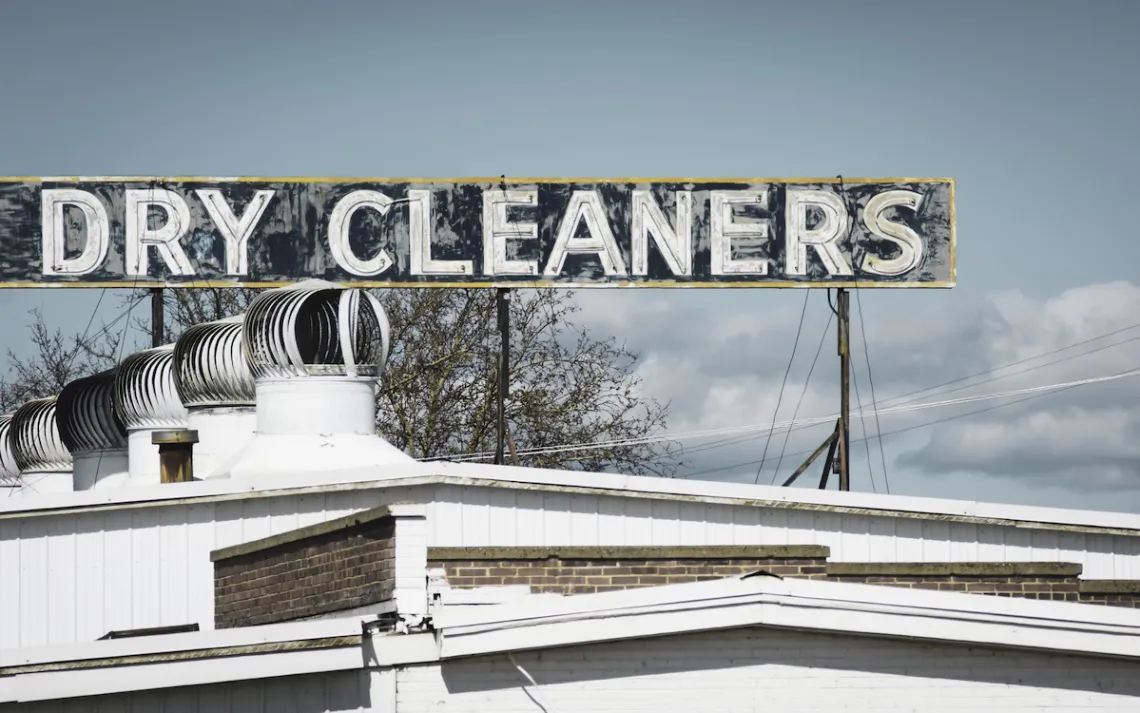
Photo by Smodj/iStock
Hey, Ms. Green!
Which dry cleaners would clean my suits in the least destructive and most environmentally friendly way?
—Phillip Dean Wochner in Shaker Heights, Ohio
Dry cleaning tends to involve toxic chemicals that aren’t safe for people or our planet. What about those shops advertising petrochemical-free, organic, eco-friendly, green, or nontoxic dry cleaning? Unfortunately, all too often those businesses are just greenwashing their image.
Perc (also known as perchloroethylene or PCE) is one of the most common dry cleaning chemicals. Perc is a solvent used by dry cleaners, fabric finishers, and metal manufacturers. It’s also in some household water repellents, silicone lubricants, spot removers, wood cleaners, and glue. The chemical is linked to cancer, memory loss, decreased immune function, and more. A study found high levels of residual perc on dry-cleaned wool, cotton, and polyester clothes. People who work at dry cleaning businesses or work or live nearby are also exposed to perc, as it emits a gas that can be toxic. If spilled, it can seep through concrete and then into nearby water sources. It has been widely found in drinking water.
In 2024, the Environmental Protection Agency required that perc be phased out in cleaning products, dry cleaning, and other uses over time. Since Donald Trump was reelected president, the EPA has been trying to roll back the regulation.
Many common perc substitutes aren’t safe either. GreenEarth, one of the most common choices offered at dry cleaners advertising themselves as “green” or “organic,” is made of a suspected carcinogen and reproductive toxicant. “Organic” cleaners might use hydrocarbon solvents, which contribute to smog and asthma. Hydrocarbon solvents with Stoddard Solvent contain cancer-causing chemicals, such as benzene. Other hydrocarbon solvents like EcoSolv and Shellsol have neurotoxicants and more toxic ingredients.
“Dry cleaning is neither dry nor clean”
That’s what Peter Sinsheimer told me. He was the lead author of the first peer-reviewed study showing that wet cleaning—using water and biodegradable detergents in machines that carefully manage agitation, temperature, and moisture—does a better job than dry cleaning and costs less for businesses, even after the full cost of converting to wet cleaning. Dry cleaning chemicals, he said, are made of big molecules that only clean the surface of textiles. They don’t remove stains and soils that are embedded in textiles. But wet cleaning does. “Furthermore, dry cleaners are supposed to clean the liquid solvent after each load,” Sinsheimer continued. “In my studies of hundreds of cleaners, I didn’t come across any dry cleaner that did that. So new loads were washed in dirty solvent.”
Do-it-yourself
Many “dry clean only” clothes can be washed at home. For example, suits and blazers made from wool or other sturdy fabrics without shoulder pads or structured shoulders can often be refreshed using a steam cleaner and spot-cleaning methods. Steam “cleaning” can hide smells but doesn’t clean, Sinsheimer said. So you might need to use spot cleaners. (Ask me for recommendations!)
Go to a cleaner that offers only carbon dioxide (CO2) or wet cleaning
“Professional wet cleaning and liquid CO2 cleaners are recognized by regulators as nontoxic, non-smog- forming alternatives to perc and are considered far safer than dry cleaning,” Kaya Allan Sugerman, director of health and environment programs for Physicians for Social Responsibility-Los Angeles, told me. Wet cleaning is also much more energy- and water-efficient than dry cleaning, according to studies by Sinsheimer.
“Wet cleaning can clean leather, wool, silk, and suits. And it doesn’t shrink clothes,” Sinsheimer said. “Dry cleaners can damage leather. Wet cleaning doesn’t. What can be successfully wet cleaned is higher than the percentage of what can be dry cleaned.”
You can find C02 or wet cleaners approved by government Green Business Programs. The San Francisco Environment Department, Wet Cleaners USA, and South Coast Air Quality Management District also maintain lists. Does your local city government not do the same? Ask them to.
Questions to ask CO2 or wet cleaners
Some CO2 or wet cleaners also dry clean, and there’s not much you can do to tell whether your clothes were dry cleaned. So ask if they only offer CO2 or wet cleaning. “If you see equipment much larger than a laundromat washer—which is the same size as wet cleaning equipment—it could be dry cleaning equipment,” Sinsheimer said.
“Wet cleaning spot cleaners and other additives differ by shop and aren't equally well studied. But overall, wet cleaning is much safer,” Sugerman added. So ask a cleaner for brand names of chemicals they use. “Then check product safety data sheets to identify any hazards of concern. Consumers can also favor shops that rely on Safer Choice–certified products or other third-party–screened ingredients,” Sugerman explained.
Cleaners often send garments to another business that specializes in certain textiles, such as leather, Sinsheimer added. So ask if they’ll send your textile to be cleaned by another shop, the shop name, and if the shop is a CO2 or wet cleaner.
If you can’t find a CO2 or wet cleaner, ask your dry cleaner to try this trick
“Almost all dry cleaners have a washing machine. So you can ask them to put your textiles in there with wet cleaning detergents,” Sinsheimer said. “That’s how I helped dry cleaners convert to wet cleaning. They can easily get wet cleaning detergents from dry cleaning suppliers.”
Bring a reusable garment bag and gently used hangers
Ask if they can put your clothes in a reusable garment bag that you already have or a reusable Green Garmento bag. And ask if they’ll reuse your piles of gently used hangers. Many will.
Green your dry cleaner
Invite your dry cleaner to watch a video on why they might want to switch to wet cleaning. And tell them some governments offer grants to help shops convert. For technical support, they can contact Sinsheimer, who is now the CEO of Green Analytics, an environmental management and consulting firm.
Tell the EPA what you really think
Subscribe to make public comments on Regulations.gov the next time the EPA tries to allow perc to poison our water and air.