 The Magazine of The Sierra Club
Beyond No Mow May: Here Are the Best Ways to Invite Pollinators to Your Yard
The initial trend succeeded at getting people to think about biodiversity but falls short when it comes to the science
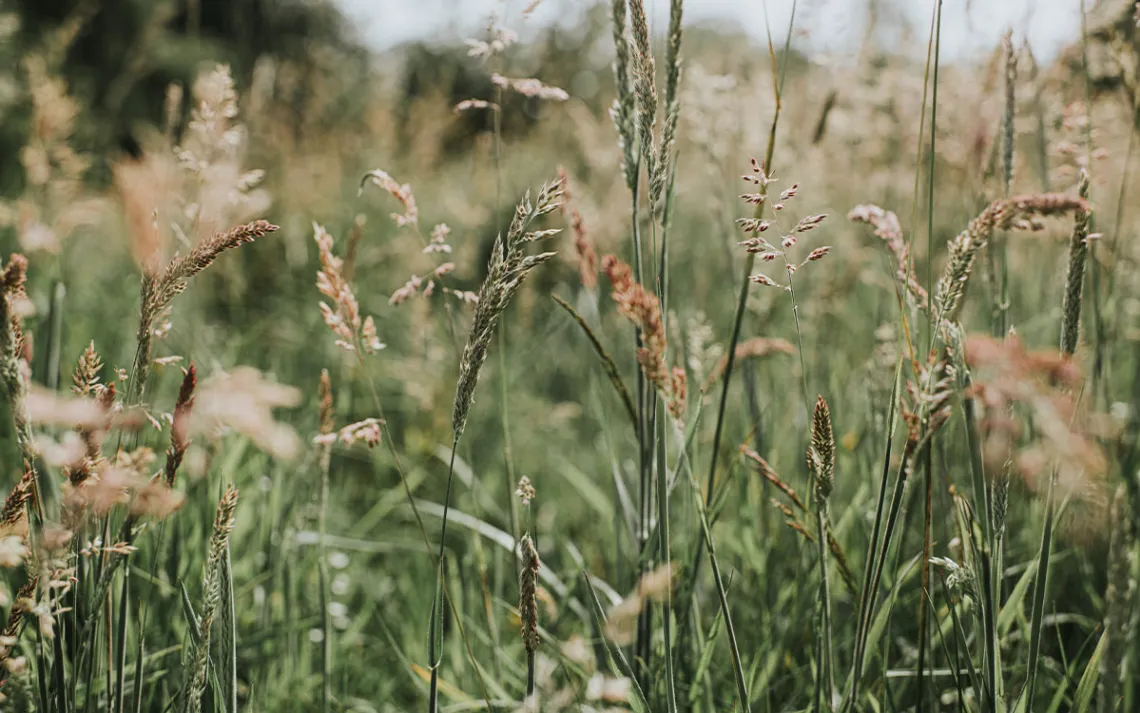
Photo by Catherine Falls Commercial/Getty Images
With the arrival of spring and warmer weather, people are beginning to think about garden maintenance—including how often to mow their lawn. A growing movement is encouraging people to hold off on firing up the lawn mower. No Mow May, a campaign launched in the United Kingdom by the nonprofit Plantlife in 2019, promotes leaving grass uncut for the month of May to support bees and other pollinators. The idea took root in the United States the following year, when residents of Appleton, Wisconsin, adopted the practice. Now that the initial idea has caught on, experts are saying there's an even better way to help local pollinators in your backyard.
No Mow May has encouraged people to rethink their gardens and create more biodiversity. This campaign highlights that people want to do good and are willing to make changes in their landscape. "What it shows is that [people are] eager to do something and if you give them social permission without throwing them out of the neighborhood—if they don't mow their lawn in May—they'll do it," said Doug Tallamy, a University of Delaware entomology professor and author of How Can I Help?: Saving Nature With Your Yard and Bringing Nature Home. "Now we're saying, there are better alternatives."
While the concept sounds good on paper, No Mow May has drawn criticism because creating habitat and food sources for pollinators is more complex than not mowing the lawn for a month. For one, lawns in the United States aren't native grass and therefore aren't a food source for pollinators or insects. "Most lawns across the country are monocultures of non-native turf grass, which means they're not going to be full of wildflowers that actually provide those benefits to wildlife," said Mary Phillips, head of native plant strategy for the National Wildlife Federation.
Native bees, butterflies, moths, and insects such as beetles, along with birds and bats, are examples of pollinators that do essential jobs. They pollinate flowers so gardens and agricultural crops grow, manage pests, and more. According to a meta-analysis published in 2023, analyzing 16 studies shows insect populations have declined by 45 percent in the past 40 years. They need more habitat and food sources to bounce back.
American lawns aren’t a great habitat because they are often treated with pesticides and herbicides, which are harmful to insects. “If you're using a lot of chemicals that could harm pollinators, not mowing for a month doesn't really reverse that practice and that impact on wildlife," Phillips said. A systematic review published in The Journal of Entomology in September 2024 highlighted the negative implications of insect decline from habitat loss, climate change, and pesticide use.
And one month isn't enough time to provide pollinators with more food. "[Pollinators] need pollen and nectar all season long from April through early November," Tallamy said. Bees, butterflies, and other pollinators rely on a continuous supply of food—not just a temporary burst—to build nests, raise their young, and survive into the next year.
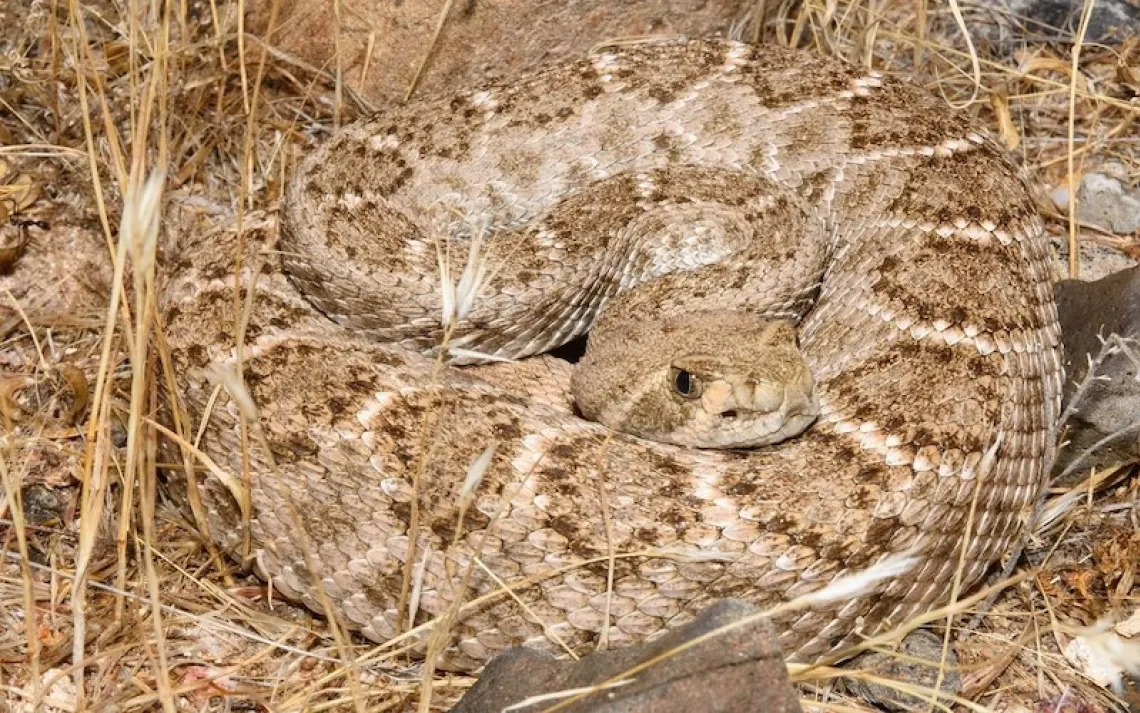
Letting grass grow too tall results in difficult mowing and can harm the grass too. Cutting more than one-third of a blade of grass at a time can be detrimental to the turf, because energy is shifted from the roots to producing new grass leaves, according to the University of Arkansas. And unmowed grass can invite unwanted guests to take up refuge. If you leave grass long, it can provide cover for ticks, rodents, and mosquitoes, Phillips said.
In September 2020, Wisconsin University published a study that showed that the 465 Appleton residents who participated showed more flora diversity compared with those who mowed their lawns. However, in 2022, the university retracted its findings due to discrepancies in data and research practices—and there were errors and faulty findings in the original study.
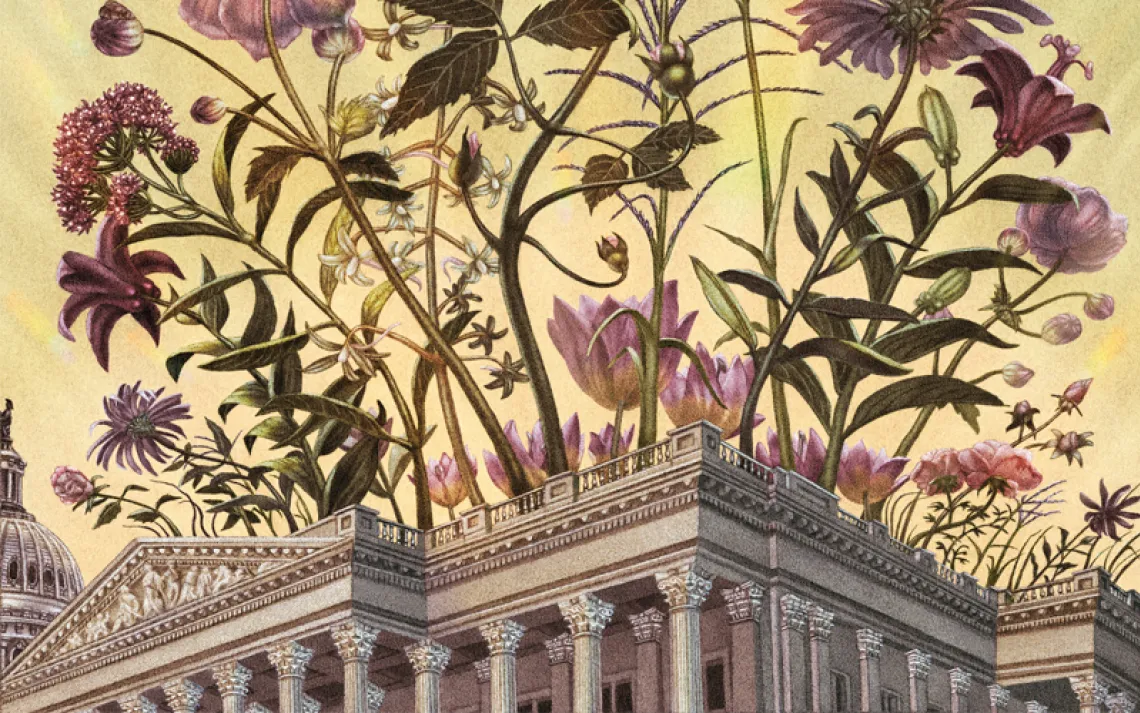
Instead of allowing the lawn to grow tall for a month, experts suggest more sustainable and long-term methods to support pollinators. One strategy is to replace or reduce the lawn with native plants, such as flowers, shrubs, trees, and grasses. Woody plants, instead of a meadow or prairie-type garden, are better for pollinators, Tallamy said. Planting shrubs and trees provides flowers for pollinators and often produces fruits or berries that birds can feast on later in the season, such as blackberry, elderberry, or viburnum trees, he said. Eastern redbud and native willow are valuable trees to grow because they bloom early, he added, providing food and nectar sources for pollinators.
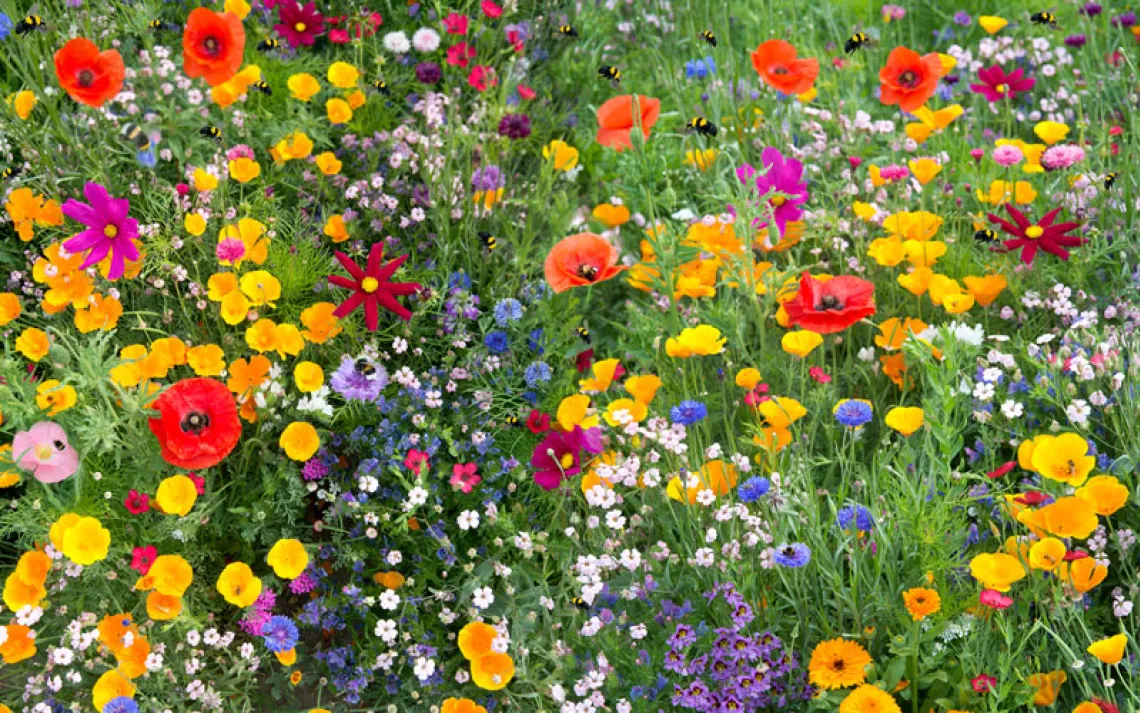
You can also create spaces that you don't need to mow, think about different pollinator needs, and have blooming plants throughout the seasons. "About 30 percent of our 3,600 bee species can only use the pollen in particular plants," explained Tallamy. These bees are considered specialists compared to generalist bees. "The most powerful plants for specialist pollinators are goldenrod, perennial sunflowers, and native asters, and they are all later blooming," he said. When adding more plants and natives to your yard, consider biodiversity. According to Phillips, "To have a real diversity of plant species, get keystone native plants that support high numbers of butterflies and moths and also have pollen."
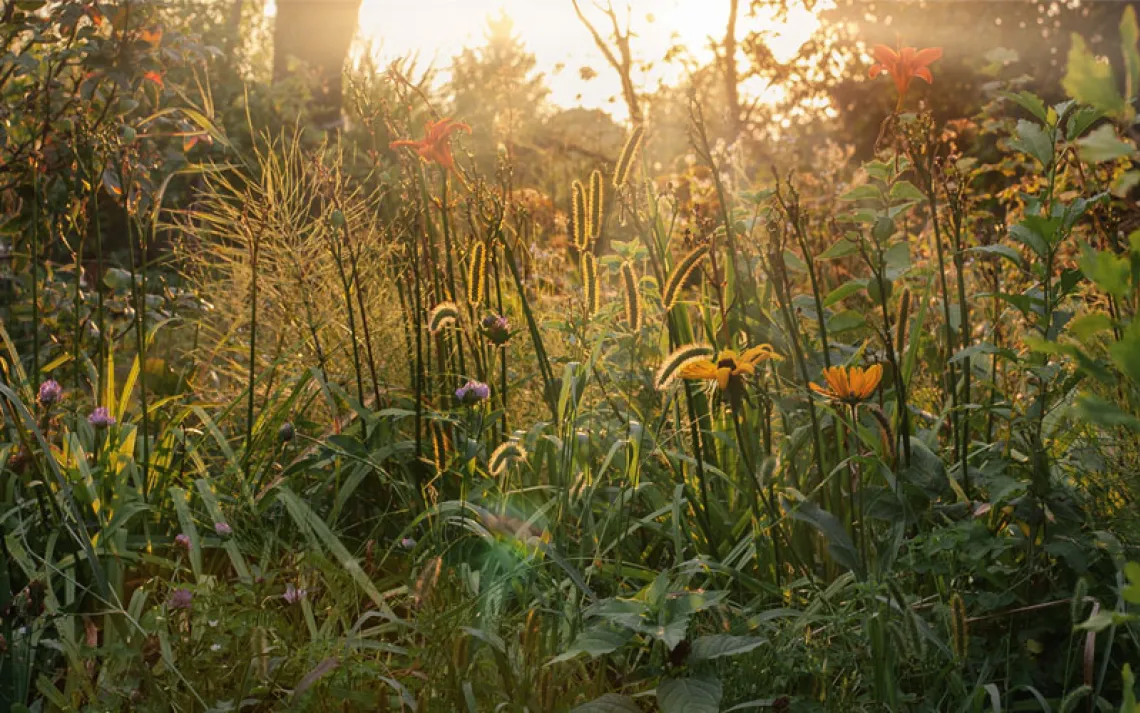
Planting sedges, part of the genus Carex, a grass-type plant, is an alternative for people who want more low-maintenance plants that are drought-tolerant and like the look of grass. "There are 800 species in North America that occur literally everywhere and they're a great example of a type of plant that is a good lawn substitute," said Kelly D. Norris, ecological designer and author of Your Natural Garden. Some grow well in the sun and others in the shade, and they don't need to be mowed, he said. Choose a native Carex that thrives in your geographical region. For people who like having a lawn, Tallamy suggests only having grass where you walk. "You can have a tidy lawn, but I want it to be smaller," he said.
Find out which native flowers, shrubs, and trees grow in your geographical region by entering your zip code at one of several websites, including Homegrown National Park’s native plants finder, Audubon's native plant database, and the National Wildlife Federation's native plant finder.