 The Magazine of The Sierra Club
What Not to Do When Creating Space for Wildlife
Experts give their advice for helping species thrive this spring
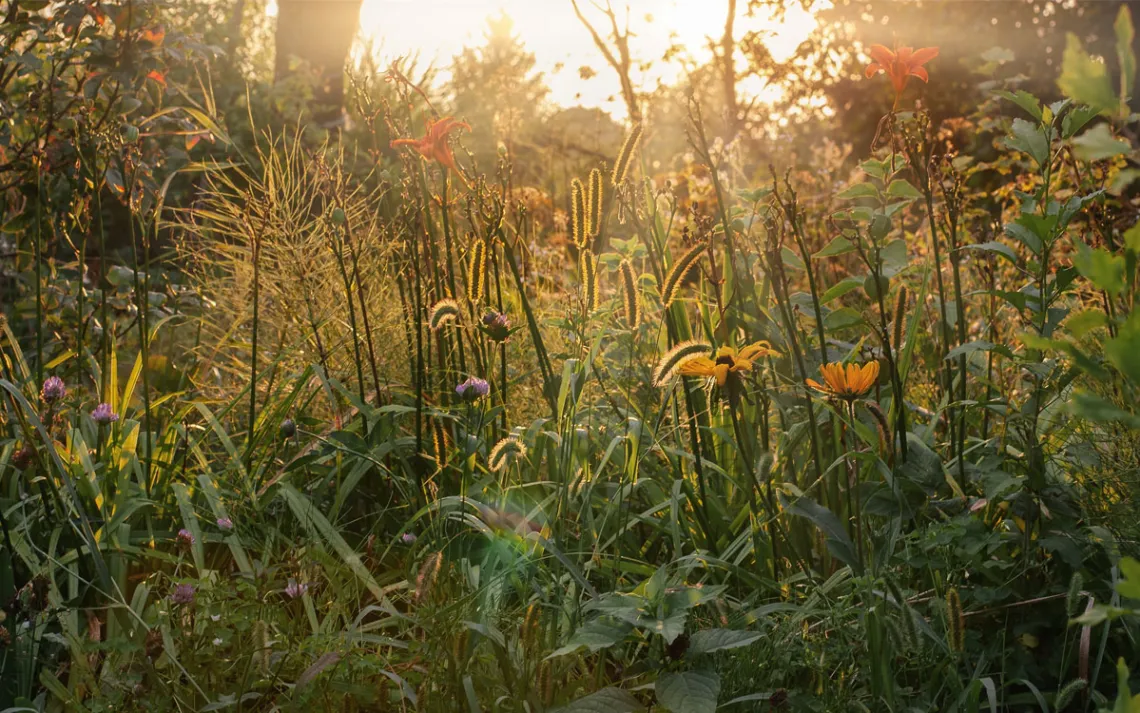
Summer evening meadow with garden grasses and flowers. | Photo by Prystai/iStockPhoto
Flowers aren’t the only things that pop up every spring. This is also when millions of people venture into their gardens, increasingly looking to not only grow food and plants but also support local wildlife. Whether you have a backyard, an apartment balcony, or just enough space for a few potted plants, you can create a little pocket that makes a real difference for native species.
This is often done with the best of intentions, but without accurate information, even the best laid plans can go awry. To help people looking to expand their nonhuman communities, Sierra asked experts on backyard and urban wildlife to reveal the biggest mistakes and pitfalls to avoid. With a little guidance, you can be sure your rewilding venture helps native species thrive.
Let's eat
For many, feeding birds seems like both a harmless good and the very least we can do. After all, we’ve destroyed so much of their habitat and natural food sources. When it’s done right, bird feeding can replace some of what’s been lost, but there are dangers to keep in mind.
Bird feeders concentrate more food, and likewise more birds, into one small space. That could make them vectors for disease spread. But according to Becca Rodomsky-Bish, project lead at the Cornell Lab for Ornithology, avoiding that danger is mostly a matter of maintenance. She recommends cleaning feeders once every two weeks with a mild detergent and taking them down for a week or so if you see any birds that look or act sick.
There’s one disease to especially keep an eye out for at feeders, says Rodomsky-Bish: finch eye disease. Look for finches or other songbirds with eyes that are bulging or scabbed over. Cornell’s Feederwatch project includes monitoring for the disease, and is the best way to report it.
Maybe the worst possible result of a badly placed bird feeder is drawing in a bear. Black bears love low-hanging suet and sunflower seeds. And as the saying goes, “a fed bear is a dead bear,” because bears that become habituated to humans and human food are often shot as potential dangers to human life.
If you live in bear country, it can help to hang bear-attracting bird food at least 10 feet off the ground and five feet away from any large tree trunks. In the fall, when bears are most voraciously feeding before they hibernate, it might be best to take down these kinds of feeders entirely. Your state fish and wildlife agency may have advice on timing, feeder placement, and other details specific to your location.
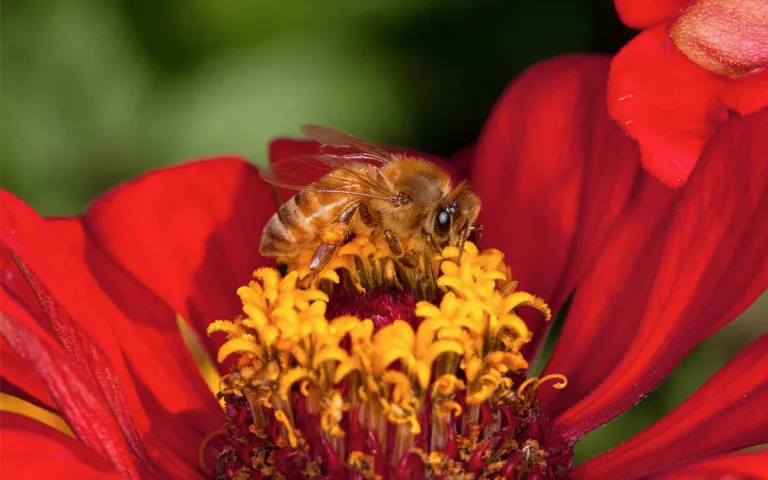
A honeybee. | Photo by Peggy Greb, USDA/ARS
House and home
Diverse wildlife requires diverse habitat, and natural ecosystems provide tall trees, shrubs, grass, and other prime locations that human-dominated landscapes often remove. Next to bird feeders, probably the second most common accommodation we put up for wildlife are birdhouses. Like feeders, they can help, but only if chosen and placed right.
“It's very easy to put up a nest box and feel good about it,” said Rodomsky-Bish. “But you could potentially be creating an ecological trap if you are not putting it up appropriately and then providing protection.”
One mistake that a lot of people make is where they place a birdhouse. Hanging it on the side of a building or on a fence post can make it especially vulnerable to predators. Avoid birdhouses with the little peg next to the entrance hole. Those pegs can be useful to predators like snakes.
Also, every bird needs a slightly different space, a different size of entrance, and their own best place to put it. Cornell’s Nestwatch project has a detailed page with more tips to make nest boxes safe and healthy for your backyard birds.
Birds aren’t the only creatures we build homes for in our yards. In the past few decades, more people have started using artificial houses to draw in bats. Reed Crawford, a postdoctoral researcher at the University of Illinois, studies bats and the effects of artificial bat boxes. One downside, he said, is that natural roosts tend to be temporary and short term.
A lot of us picture bats streaming out of a cave each night to fill up on moths and other insects. Some species do use caves, but many naturally roost in trees. The federally endangered Indiana bat, which Crawford studies, uses caves in the winter but trees the rest of the year. When they find a bat box, they often keep using it rather than picking different sites, and that can have negative effects.
“They'll stay in it for a very long time,” said Crawford. “They're not switching roosts as often. So this creates the potential for larger ectoparasite loads than what you'd see normally.”
Another pitfall of bat boxes is heat. Some bat box users have noticed that dark colors and sunny locations attract bats, but this can create too much heat and bake bats in their daytime roosts. This warming danger is an example of one of the tricky paradoxes of artificial habitat for wildlife: Sometimes the thing that attracts them can also be what hurts or traps them.
Pets and wildlife
One of the biggest threats to native wildlife also happens to be one of our other favorite animals: cats.
“The three top threats to birds are habitat loss, outdoor free-roaming cats, and windows,” said Rodomsky-Bish. “By far those three things kill more birds every year than anything else.” We all agree that habitat loss is bad, and there are more ways than ever to prevent window collisions, but outdoor cats remain a contentious issue even among the most conservation-minded people.
Cats are a major reason to carefully consider the placement of your feeders, houses, and other resources for wildlife. To keep them away, try hanging feeders and birdhouses on poles or other less climbable mounts, rather than fence posts or tree trunks. There are also exclusion devices that keep predators from climbing up and snagging your backyard birds.
Another pet issue that doesn’t get as much attention is chemical contamination. Pets who spend any time outside are often treated with medication for flea and tick prevention. Cannelle Tassin de Montaigu, a postdoctoral fellow at the University of Sussex, says that these chemicals can seep into local rivers or even pose an issue for nesting birds that use tufts of fur. Tassin de Montaigu recommends against putting out any fur from an animal treated with chemicals like these and advises talking to your veterinarian about less toxic alternatives.
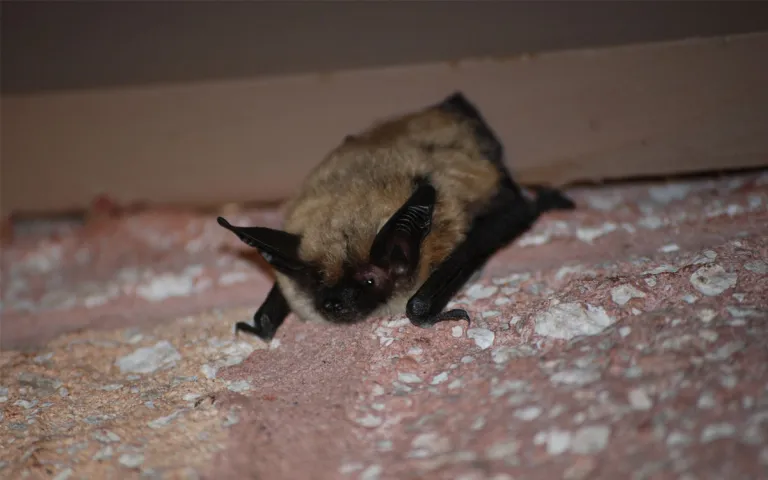
Western small-footed bat (Myotis ciliolabrum). | Photo courtesy of the National Park Service
Natural solutions
Some of the best ways to support wildlife are easier and cheaper than buying a bat box or a new cat-resistant feeder. Just adding some native plants to a garden or pots on an apartment balcony can provide food and habitat for insects that, in turn, feed larger wildlife.
“Trying to increase the diversity of insects in these urban environments can be really beneficial to bats, in terms of providing them with more food options,” Crawford said. All the experts we talked to for this story agree that native planting can be a simple and accessible way to help wildlife.
Providing shelter can also be a lot easier than some people realize. Something as simple as a pile of wood can be a more natural and effective bee and bug hotel than the wood blocks sold with holes already drilled.
A backyard pond, or even a small bird bath, gives access to water, especially in the hot, dry months of the year. Rodomsky-Bish recommends adding a pump or fountain to ponds if you want to discourage mosquitoes, and notes that bird baths need even more frequent cleaning than feeders. She cleans hers about once a week.
Maybe the most important tip to protecting your backyard wildlife is what not to add, especially pesticides and other persistent chemical treatments. There are often organic or safer options available.
It can sometimes seem like these solutions apply only to those with large properties or farms, but small urban gardens can be some of the most important, because they can act as green oases in our vast human cityscapes.
“If you're in an area where it's not that green, your garden will act like an island,” said Tassin de Montaigu. “It makes it even more important for people to have a good-quality garden in those areas.”