ENVIRONMENT EXPLAINED
What Happens to the Clothes You Return Online?
Too often, they don’t get recycled or reused but instead fill up our landfills, lands, and oceans
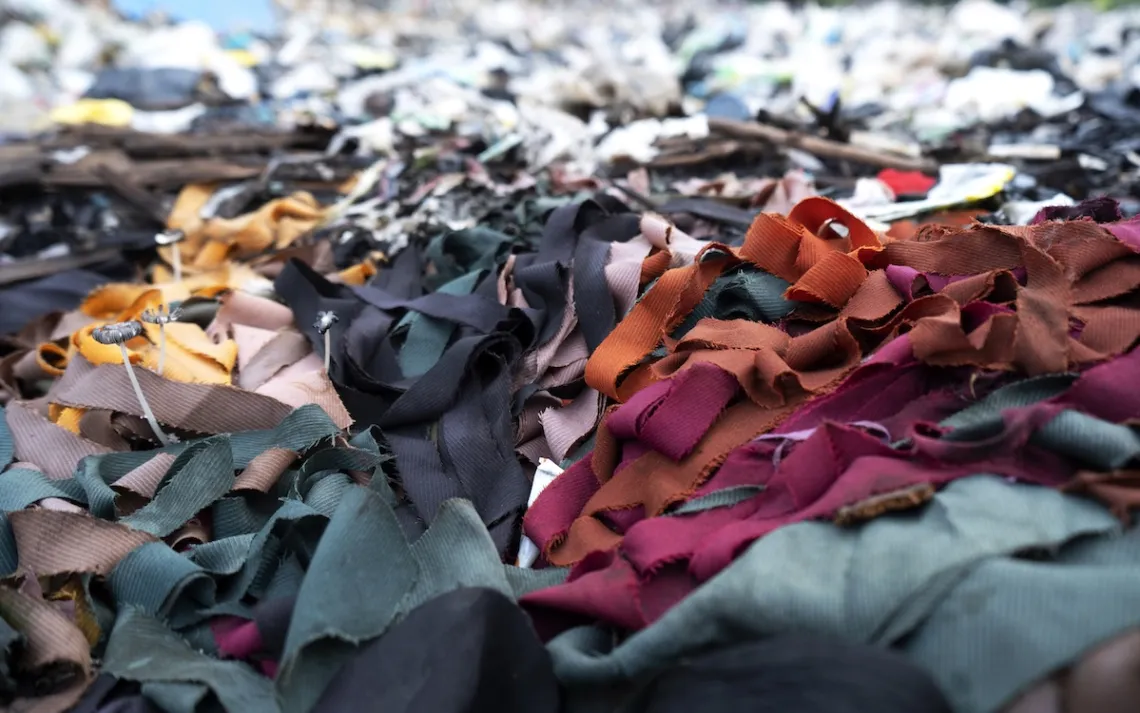
Photo by Wokephoto17/Getty Images
Most shoppers know about the floating island of trash circling the globe and the piles of discarded clothes washing up on shores. We are wary of adding to the problem, so we boycott brands, shop secondhand, and donate clothes that no longer bring us joy. Despite all the overwhelming reasons not to buy new clothes, desire boils over and we eventually turn to the internet to make new purchases. After receiving those new items, we often find that the oversize shirt is too small and the form-fitting leggings won't fit over our thighs. In the best-case scenario, we pack and ship the clothes back, then receive our refund.
What shoppers may not realize is that most of the items we return, regardless of their condition, do not return to the website’s inventory. Instead, they are often shipped—once again—to incineration plants or landfills, or end up in our oceans. Despite consumers' best intentions, the search for suitable clothes significantly impacts the environment.
Here’s a closer look at the impact and causes of the issue and how we can find a proactive way to create positive change.
The problem: rerouted returns
The clothing industry is responsible for a quarter of returned goods, making it the number one contributor. In 2020, an astonishing 5.8 billion pounds of returned goods in the United States ended up in landfills, making returned clothes responsible for 700 million pounds of waste. The process alone emitted 16 million metric tons of CO2. According to the National Retail Federation, the average return rate is higher for online purchases, at 17.6 percent, while in-store purchases account for only 10 percent.
Unfortunately, most online shoppers are unaware of the significant differences between trying on clothes in stores versus at home. Anyone who’s been in a hot dressing room without air conditioning knows the struggle of pulling up a third pair of jeans only to tear them off and toss them in the corner. Within the hour, those clothes will be back on hangers or folded under a pile of other sizes, waiting to be slipped into again. Why should returning online purchases be any different?
Sorting returned items is a costly and time-consuming process for retailers. Some forward-thinking brands are partnering with reverse logistics companies to streamline everything from the return process to preparing items for resale. Unfortunately, the majority of retailers end up letting returns pile up, often sending them to landfills in bulk to cut costs.
A simple solution would be for consumers to reduce their returns. However, this can be more challenging than it seems when considering the primary causes behind clothing returns.
The insidious culprit: inconsistent inseams
In a study that surveyed a thousand women, 77 percent said clothes don’t fit a single size across three of their measurements. When asked why they returned clothes, 75 percent of customers said that they didn’t fit. As a result, people are hedging their bets and bracketing their online purchases. Unfortunately, by purchasing multiple sizes of the same item, customers deplete the store’s inventory, leading to brands increasing their manufacturing output. But how could it be that most shoppers don’t know what size they are when they wear clothes every day?
Clothing manufacturers are still using outdated “vanity sizing,” or size inflation, to standardize their sizes. They start with a single “standard size,” based on actual body measurements—typically a size four—while every other size is taken by adding and subtracting inches in designated areas. This antiquated form of standardized sizing was invented in the 1940s during World War II to streamline military uniforms, marking the industry's first steps toward the fast fashion we know today. After the war, department stores adopted vanity sizing and implemented catalog purchasing to increase sales.
Despite advancements in technology that have refined the formulas for resizing garments, the system is highly volatile and accumulates its own share of clothing waste due to machine errors. The term standardized is also misleading as each company establishes its own sizing guidelines, resulting in industry-wide inconsistencies. In the absence of a more reliable sizing method, the responsibility falls on shoppers to mitigate the problem.
The solution: tailor fashion to your standard
As consumers, we need to stop relying on major retail corporations to uphold sustainable practices. Despite persistent sizing inconsistencies and manipulative marketing tactics, it's crucial for us to regain control over how we shop.
Adweek’s commerce and sustainability editor, Kathryn Lundstrom, has little faith in the fashion industry implementing any major changes. “The brands that came out with some ambitious sustainability plans during the pandemic have quietly rolled them back or just dropped them from their websites,” she said.
She relates that to the general cycle that big corporations thrive on. “They try to respond to something that consumers say they want, and then as soon as consumers aren’t paying attention anymore, they just drop that idea.”
It’s time to break the cycle and concentrate our efforts on the things we can change. Keep these three easy practices in mind next time you’re considering buying new clothes.
Set your own standard
A report published by Zalando found that 69 percent of global consumers say sustainability is an important factor when buying clothes. They also found a massive gap between consumer attitudes and their actions. Of the 60 percent of respondents who said transparency was important to them, only 20 percent actively seek out information before purchasing. This isn’t surprising considering most companies aren’t entirely forthcoming about their unsustainable practices. That’s why it’s important to create your own set of values that inspire you to shop guilt-free and sustainably.
You can choose to prioritize the quality of the fabric or support independent brands owned by women or BIPOC designers. Shopping sustainably doesn’t always mean sacrificing your personal style. You can save outfit inspirations you find on Pinterest or Instagram to get a better idea for what you are looking for before researching sustainable and ethical alternatives.
Take care of what you own
A Nosto report on sustainability within fashion found that 42 percent of US shoppers throw away clothes they would have liked to keep because they couldn't get them repaired. Understandably, not everyone has the time to learn a new hobby, let alone take in a skirt. Unfortunately, the number of tailor shops is at an all-time low, and any that are around charge more for alterations than what you paid for the clothes in the first place. Still, fixing it yourself is cheaper than buying a new one. If you already own a measuring tape to help you navigate the sizing charts on your favorite online store, you’re halfway there!
Upcycling vs. recycling
We often place too much faith in systems that operate behind closed doors. The sad truth is recycling is too good to be true. Ken Pucker, professor of sustainable business dynamics at Tufts University and former COO of Timberland, admits that “recycling does little to limit environmental damage,” calling recycling bins in Zara and H&M “a guilt-free placebo that encourages even more consumption.” The obstacles that plague recycling, including limited technology, limited infrastructure, and low-quality fibers, result in less than 1 percent of recycled clothing being used to make new garments.
Take recycling your clothes into your own hands. You can turn deteriorating clothes into pet toys, washable cleaning rags, and personalized tote bags. DIY YouTube tutorials can show you how to cut T-shirts into yarn for knitting and crocheting. You can even sew together scraps to make quilts, headbands, and scrunchies.
We won’t see changes overnight. That's why we need to establish these sustainable actions as habits and incorporate this way of thinking into our daily lives. It’s essential to remember that we as consumers are not the root cause of major issues like textile waste. Staying informed and making necessary adjustments are small steps we can take to reduce the problem and communicate to brands what we value.