The Return of the River Otter
A rare sighting in the Bronx River has New York conservationists cheering
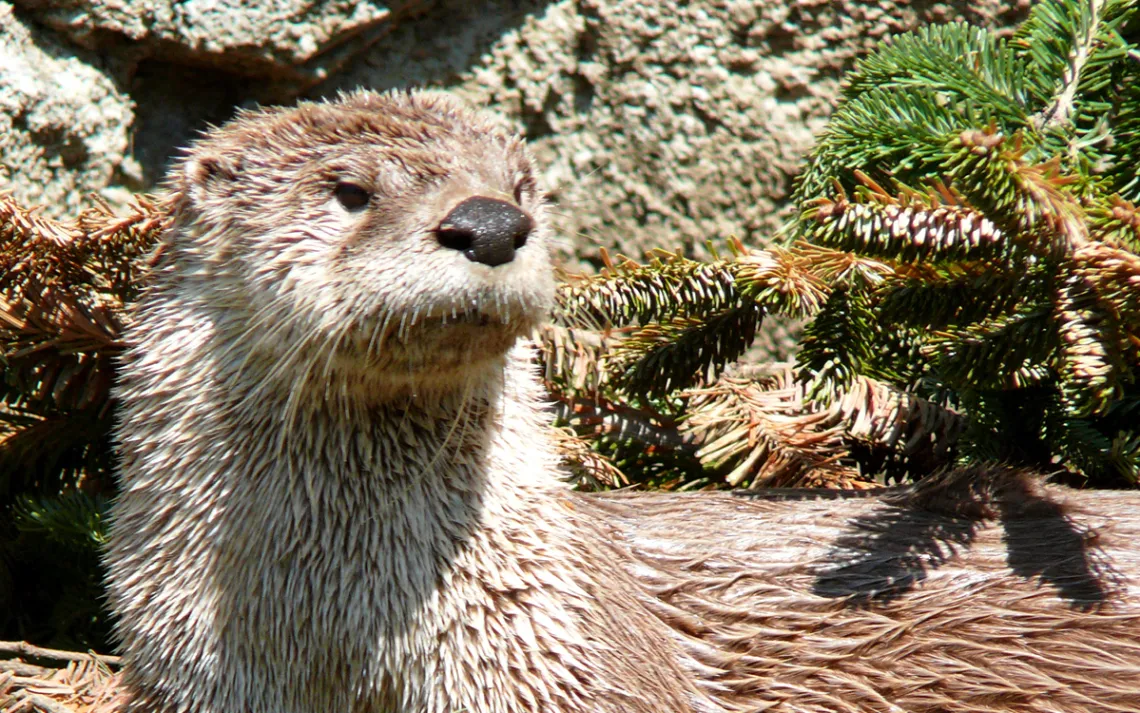
A North American river otter (Lontra canadensis). | Photo by Ken Thomas
After more than a century, the North American river otter has returned to the Bronx River in New York City.
The otter was captured with a motion-activated camera on June 23 by local scientist RJ Hawkins, who has been monitoring wildlife on the river since 2024. It was the first river otter spotting in the 23-mile-long Bronx River since the early 1900s.
Environmental and community groups say the otter’s presence is the result of decades of restoration and conservation work in New York City’s only freshwater river, and a sign that it’s growing more habitable to wildlife.
“To me, the otter represents the power of collective action and a vision of environmental justice in the Bronx, where all communities have access to healthy ecosystems, clean waterways, and meaningful connections to nature,” said Genesis Abreu, the director of urban conservation partnerships at the New York Botanical Garden, an organization involved in restoration efforts.
River otters were once abundant across New York and the United States as a whole. But by the early 1900s, the state’s river otter population had dwindled drastically due to unregulated trapping, water pollution, and habitat destruction. As industrialization boomed, the Bronx River was treated as a public dumping ground for New York City’s growing population. Households, warehouses, and industrial facilities dumped waste directly into the river, and it came to be known as the city’s “open sewer,” a reputation that lasted well into the 1970s.
In 1974, a group of concerned citizens founded the Bronx River Restoration project and began a decades-long process of reviving the waterway. Restoration efforts picked up in 2001, when more than 60 community organizations, public agencies, and businesses formed the Bronx River Alliance, to “protect, improve, and restore,” the Bronx River greenway.
“The otter story didn't start this year. It's the result of years of dedication from community advocates, volunteers, public agencies, and local organizations like the Bronx River Alliance that never gave up on the Bronx River,” Abreu said.
Matthew Best, the habitat restoration manager at Riverkeeper, said the goal with restoration efforts is to not only bring back wildlife, but also to revive the whole river ecosystem. Riverkeeper has been leading restoration efforts of the Hudson Valley Watershed—including the Bronx River—for more than 60 years.
“Obviously, there's some limits to that with some rivers and streams that go through urban areas, but there's a lot of great innovative ideas, great engineers that work on this stuff to try to have nature-based solutions in an urban environment,” Best said.
The holistic approach is working. In 2007, a beaver returned to the Bronx River for the first time in 200 years, and just one week after Hawkins captured the otter, an American mink was captured nearby.
Otters are what’s known as an “indicator species,” meaning their presence reflects a specific environmental condition or overall ecosystem health, said Megan Isadore, the founder of the River Otter Ecology Project.
“What river otters need for habitat is kind of similar to what people need,” she said. “They need clean water, healthy food to eat—which for otters is no vegetation; they're carnivores completely—and they need a place to bring up their young, just like we do.”
Isadore has been leading the River Otter Ecology Project in San Francisco for more than 15 years. It began with a community science otter-spotter program to document the Bay Area’s otter population, which, like New York’s, saw a drastic decline in the early 1900s. Like the Bronx River restoration efforts, much of the organization's work is volunteer and community led—a vital part of local conservation work, Isadore said.
“People care deeply about their local communities of wildlife, or plants, or insects, or butterflies. All of those animals that make our lives fulfilled and happy and rich. All of the richness of nature that comes to people, I think more and more people are valuing that and understanding it,” she said.
To Abreu, it’s that understanding that has led to a river otter swimming through what was once a dumping ground for industrial waste.
“The Bronx River has long been championed by residents and community organizations who believed it could be something more than a neglected urban waterway,” he said. “An otter swimming through the river validates that vision.”