The Sustainable House - Chapter 3
The impact of climate change has become ever more apparent here in San Antonio. The wide temperature swings over a short period of time that we have been experiencing are just a part of this. We can continue to look forward to higher highs and lower lows. With our compound climate, keeping comfortable means both heating and cooling.
For the average home in the US, 50% of total home energy use is for heating and cooling, which comes out to about $1,350 a year. Not surprisingly, Texans are among those who pay the highest air conditioning costs, around $550 per year on the average, which represents 1% of the typical family income of $60,000. In total, energy costs are about 3.5% of the typical family’s budget. These numbers are somewhat misleading for San Antonio, due to the wide range of average incomes, which in some zip codes is as low as $34,500 per year. It should be apparent that the impact of these energy costs is much greater in those neighborhoods.
Our concern as good shepherds of this earth is not just about our wallet, but what real effect non-renewable energy extraction and consumption has on degrading the environment and pushing climate change impacts even higher. So what can we do to reduce our energy consumption at home?
While technology isn’t the only answer, there has been positive progress in making the equipment that produce heating and cooling more energy efficient. Previous columns have underscored the importance of insulation and more efficient household appliances. Today let’s address an aspect of heating and cooling equipment.
One of the important changes has been the development and mass marketing of heat pumps. In the simplest of terms, a heat pump is a device which moves thermal energy from a cool space to a warm space. Since it moves heat, rather than generating heat, it is inherently more efficient. Although it may seem counterintuitive, even in winter it can extract heat from the cold outdoors and move it inside. In the hot summer it can extract heat from the hot indoors and move it outside. Early models of heat pumps had problems functioning in cold weather, but newer models with variable-speed compressors remain highly efficient even under adverse conditions. So if the power grid holds up, they will work when the next arctic blast plunges us into days of sub-freezing weather.
Heat pumps’ real climate superpower is their efficiency. Heat pumps today can reach 300% to 400% efficiency or even higher, meaning they’re putting out three to four times as much energy in the form of heat as they’re using in electricity. This is more efficient than even a gas-fired furnace, which means lower toxic emissions.
Currently there are federal tax credits for heat pump replacement installations, although who knows how much longer they may be offered. CPS also offers replacement rebates. So when your old HVAC unit has lived out its life, or if you are thinking of early replacement to save money and improve your green footprint, this is an excellent opportunity to really make a difference.
(Don’t forget to change your return air filters regularly for better efficiency and longer equipment life!).
by John B. Hertz, Architect, Alamo Group Green Building Leader
Discovering Nature with iNaturalist & The Magic of Moths
Our March general meeting highlights how the San Antonio Metro Area participates in citizen science using iNaturalist, offering tips and examples for observing and documenting wildlife in your backyard or nearby nature areas.
Tuesday, March 18th
6:00 pm
Meeting schedule
| Informal get-to-know-you | 6:00 pm to 6:15 pm |
| Announcements | 6:15 pm to 6:30 pm |
| Presentation | 6:30 pm to 7:30 pm |
| Outdoor Black Light/Moth Demo | 7:30 pm – until TBD (building closes at 8 pm) |
Venue
This will be a hybrid meeting.
In-person location
William R. Sinkin Eco Centro, 1802 North Main Avenue
Map
Zoom meeting registration
Follow this link to register for the Zoom meeting:: https://us06web.zoom.us/meeting/register/XGFMXLByRSOtGmYGqbjfrg
What to expect
- Explore Citizen Science with iNaturalist: Learn how the platform enables urban biodiversity data collection, making it accessible to researchers and organizations like Texas Parks and Wildlife Department (TPWD) and Texas Nature Trackers.
- Daytime & Nighttime Observation Tips: Discover practical techniques for observing wildlife at any time of day, including setting up a blacklight display for nighttime species.
- Live Demonstration: Watch iNaturalist in action as we show how to document species and participate in the Sierra Club Community iNaturalist Project during the City Nature Challenge.
About our presenters
Peter Joseph Hernandez
Peter Joseph Hernandez is a seasoned iNaturalist user since 2015 and has been a City Nature Challenge Coordinator since 2020. He is a member of the Alamo Area Master Naturalists and Guadalupe County Master Gardeners, specializing in Earth-Kind Practices and Composting/Vermicomposting techniques. Active member of the NPSOT-SA.
With a Bachelor of Science degree in Industrial Engineering, Peter retired as a Senior Director in the telecommunications industry in 2015. Since then, he has devoted himself to understanding nature and advocating for biodiversity through citizen science and iNaturalist.
Dr. Jerry Morrisey
For the past 35 years, Jerry Morrisey's iNaturalist focus has been on the San Antonio area, specializing in native plants of the Texas Hill Country. He has been a dedicated member of the Native Plant Society of Texas for 25 years and an active leader in the Sierra Club for 50 years.
He has also spent the last 4 years observing insects under UV lights in Encino Park. Moreover, Jerry's use of iNaturalist over the past 5 years has been a major contribution to the yearly City Nature Challenge event.
Join us to gain insights from Jerry’s and Peter's extensive experience and passion for the natural world.
The Alamo Group of the Sierra Club holds its general meetings the 3rd Tuesday of most months. They're always free and open to the public.
The Wonderful World of Moths
Moths are cousins of butterflies in the Order Lepidoptera. They have four stages in their life cycle: egg, caterpillar, cocoon and adult. The caterpillar and adult stages are most noticed. The adult moth is mostly active during the night while looking for mates. During the day, moths are mostly attached to the underside of leaves and on tree bark. They are noticed uncommonly. A few species tend to fly in the day in mostly shaded areas. One of the more dynamic species, White-lined Sphinx, can be observed at dusk with wings ablur while nectaring on flowers.
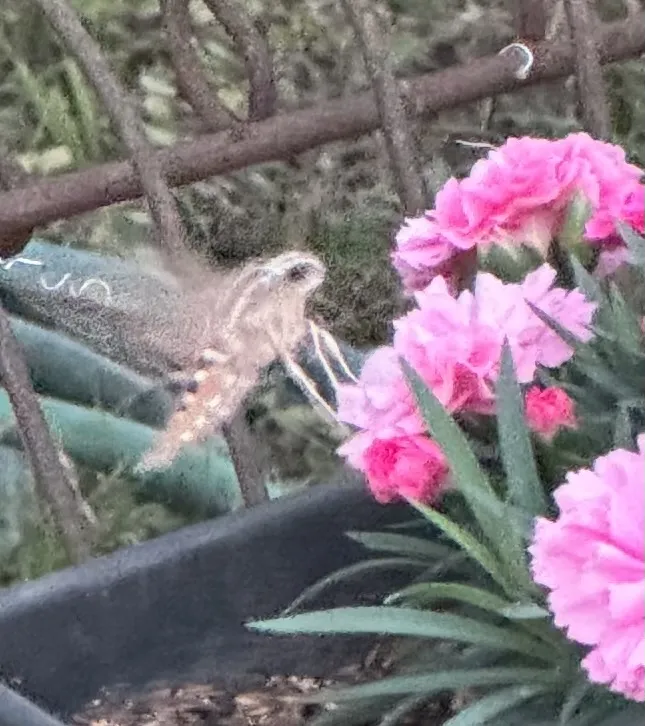
Photo by Jerry Morrisey
There are many more species of moths in the Central Texas area than species of butterflies. The citizen science app iNaturalist has the images of almost 1500 species in scores of families added from the San Antonio Metro Area. As with butterlies, moths lay their eggs on leaves and stems of host plants. There is a periodicity in the appearance of adult moth species that is in part tied to healthy host plants. The low points of observation are in the winter and the extreme heat of the summer.

Photo by Jerry Morrisey
The easiest and most productive way to observe moths is on a surface illuminated by a night light(s) with a broad UV spectrum(blacklighting). My own moth observations were limited to the daytime until I noticed five years ago a large number of species gathering around a light fixture above my garage doors. It had an LED bulb with apparently a broad UV component. This was a start to my nighttime observation to date of 570 species of moths. This high level of divesity is undoubted tied to a 1/3 acre yard that is wildscaped with numerous plant families and not treated with herbicides or pesticides.
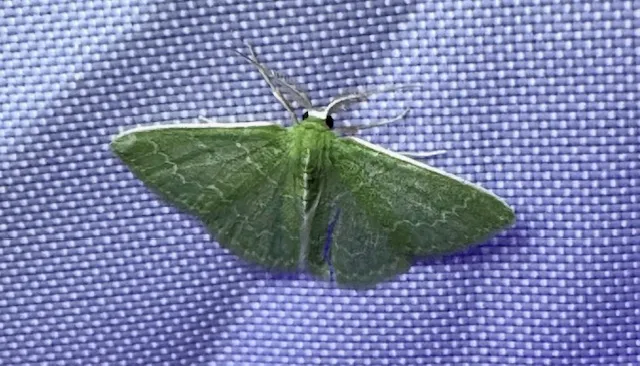
Photo by Jerry Morrisey
Many moth species have beautiful colors and eloborate markings. Their beauty rivals that of butterlies. Their body sizes vary from 3 inches to 1/4 inch. The term micromoth is used for the smaller specimens that are difficult to identify at the species level. A few photos of moth species in my iNaturalist portfolio are include in this article.
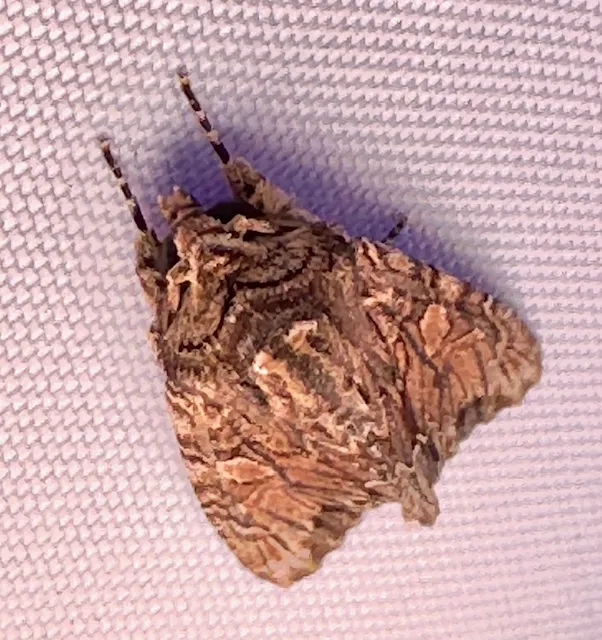
Photo by Jerry Morrisey
Moths have traditionally been observed, photographed and collected from sheets or clothes hung next to a strong UV light source. A new platform that has been recently introduced in our area is a 5 ft tall cloth cabinet purchasable from IKEA. A battery-powered UV light source or a UV bulb connected to a 120 volt power source is placed inside the closet.
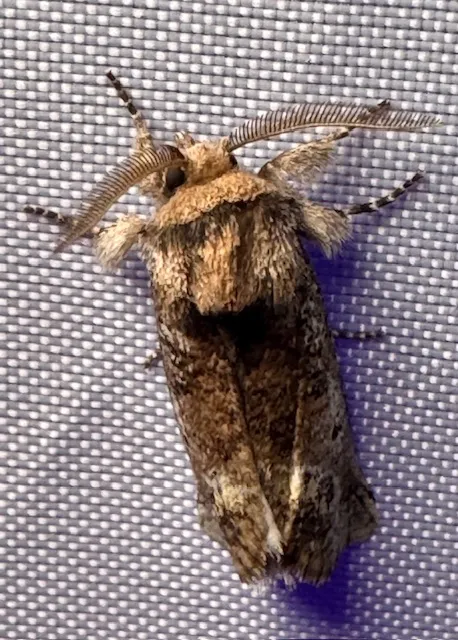
Photo by Jerry Morrisey
This setup has proved to be very effective and will be demonstrated after the Alamo Group meeting on March 18th. You are invited to a presentation at Eco Centro (1802 N. Main) on the citizen science app iNaturalist and to experience a wonderful introduction to the night life of moths and scores of other insects attracted to UV light. Other opportunities for blacklighting experiences may be provided this spring.
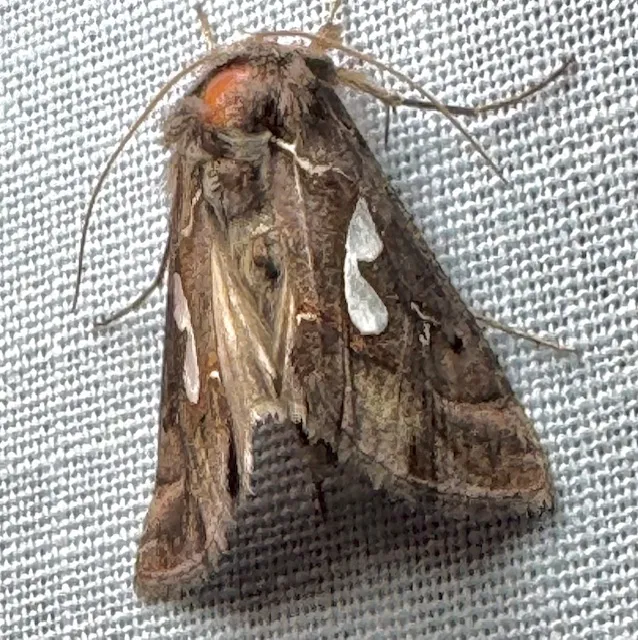
Photo by Jerry Morrisey
Grand Canyon National Park – Comparing Some of Our Experiences With Those in a Book
The book: A Walk In the Park – The True Story of a Spectacular Misadventure in the Grand Canyon by Kevin Fedarko. Some young strong ambitious characters doing traverses and slot canyons that none of us would have dared to try. Stupendous stories; further to memories of our experiences we can imagine a bit of what theirs looked like. More stuff from the book in a section below. The inspiration for this article resulted from reading the book.
Our Experiences and Understanding
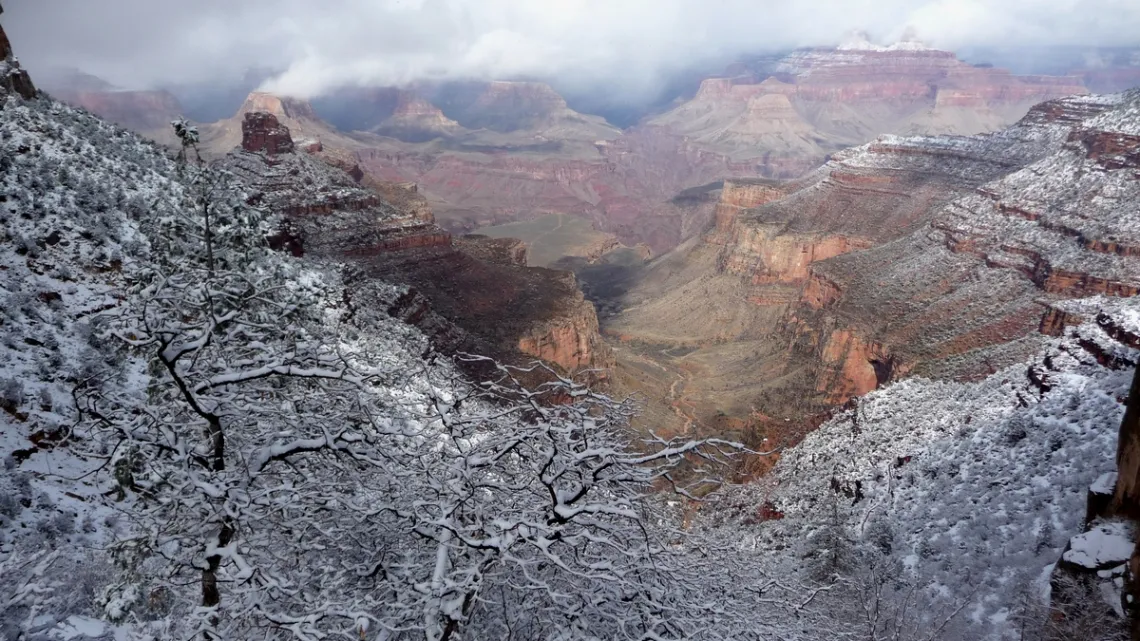
Some of us have done trips in the national park along/below the south and north rims of Grand Canyon. There were prior articles in this newsletter Feb 2022, May 2021 about the north rim. May 2018 about the great backpacking route including the Tonto Plateau below the south rim.
Most visitors simply hike along the rim or a short bit down the Bright Angel Trail, taking park shuttles back to their hotel. From the Rim Trail (NPS PDF) there are spots with grand vistas, and there are samples of the geologic strata spaced out distances in proportion to their geologic age. There is a viewing platform at Yavupai Point with a good geological exhibit and information. With binoculars from such spots at least the upper strata is visible and can be identified even across the canyon.
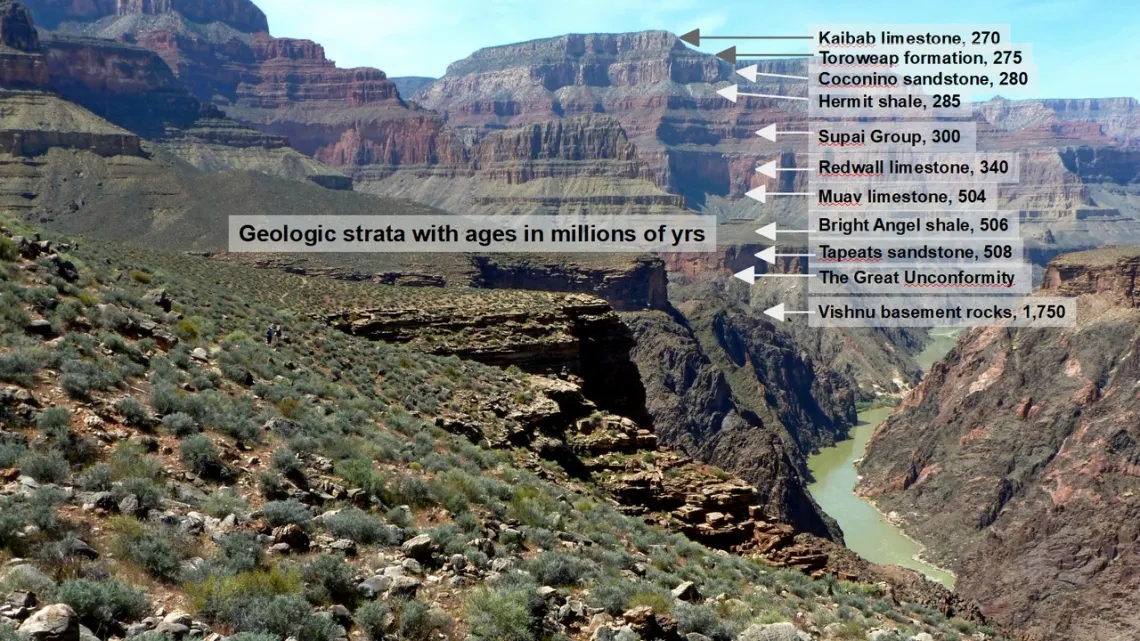
On other of the various trips here, going down a trail to the Tonto Plateau we looked around and remember as identified in the 2nd picture, yeah this is Coconino sandstone, Redwall limestone, Bright Angel shale, etc. The park has a good geology page which provided the strata dates.
Then continuing further down towards the river we are at the Great Unconformity, the boundary between the Tapeats sandstone and the Vishnu basement rocks. I have a picture of a buddy with her hand on this going down Hermit trail. Exactly here 1.3 billion years worth of Earth's history (30%) is missing; a mountain range possibly higher than the Himalayas was eroded away and then the Tapeats sandstone was deposited (likely sand dunes). Another NPS page, super pics and geology info, looking at this surely are planning a trip if we are youngsters.
Doing a couple trips we remember walking past the geological strata. Maybe memorized the key names and recite the sequence, imagining we are rather knowledgeable characters. Then after a more trips realized only understood a little fraction of what we were looking at but were/are proud we had got that far. The book says the Grand Canyon has the most spectacular vistas on Earth (there seem to be other candidates). Reading the book we realize had only visited a little fraction and done “easy” stuff.

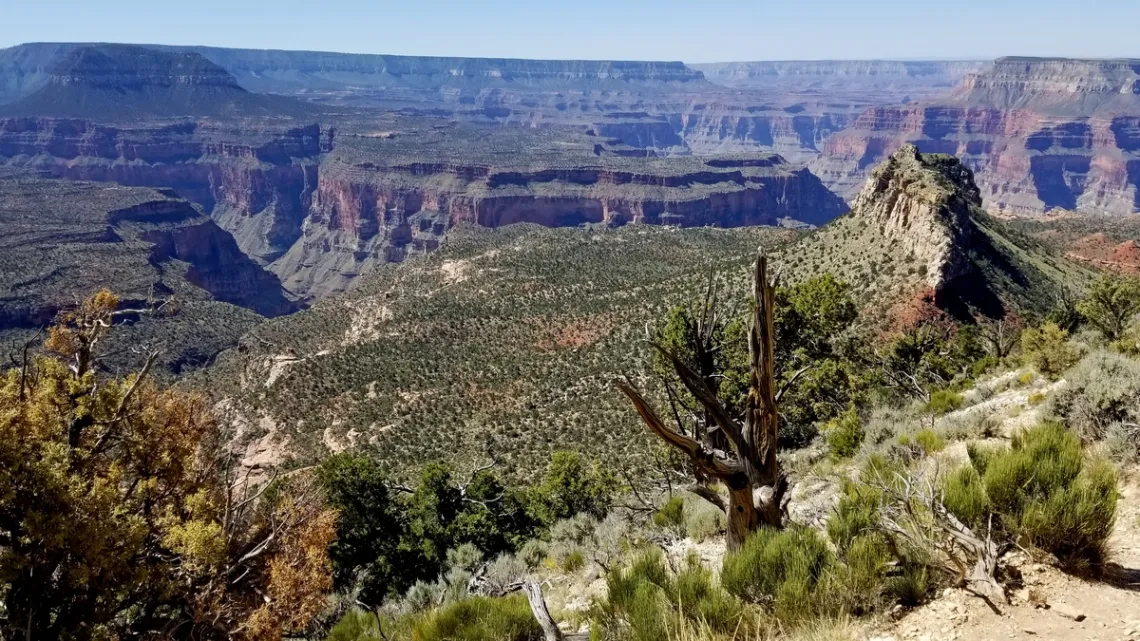
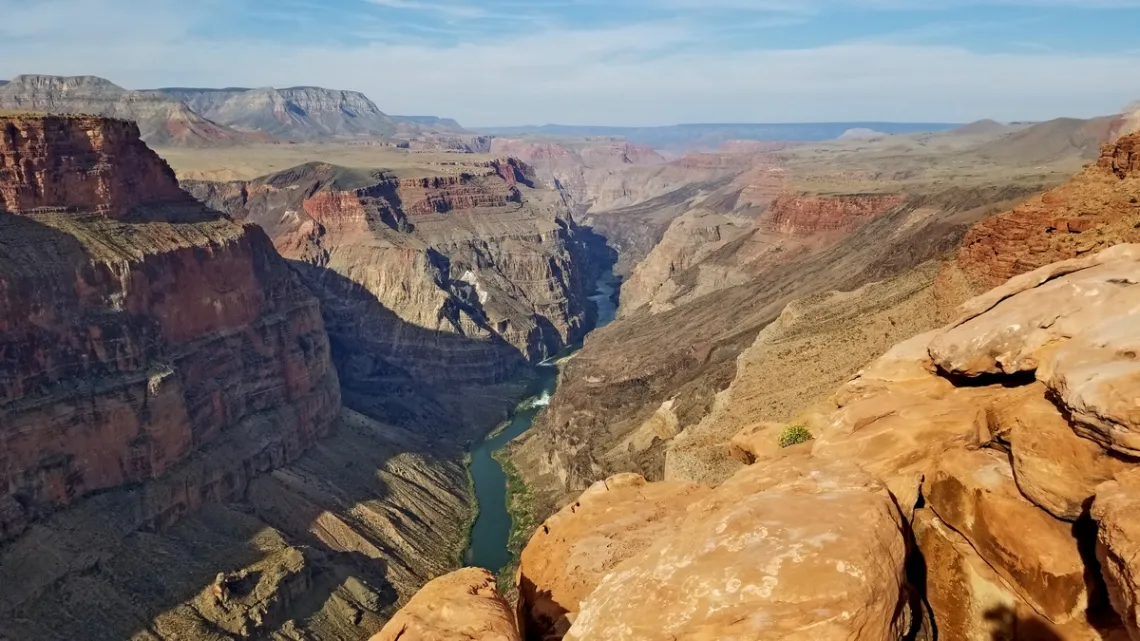
Book: A Walk In the Park – The True Story of a Spectacular Misadventure in the Grand Canyon by Kevin Fedarko
If we don't want to hold still for this amazing book, at least read an excellent overview at OutsideOnline.com. Startling bits about the beginning of the journey and great pictures.
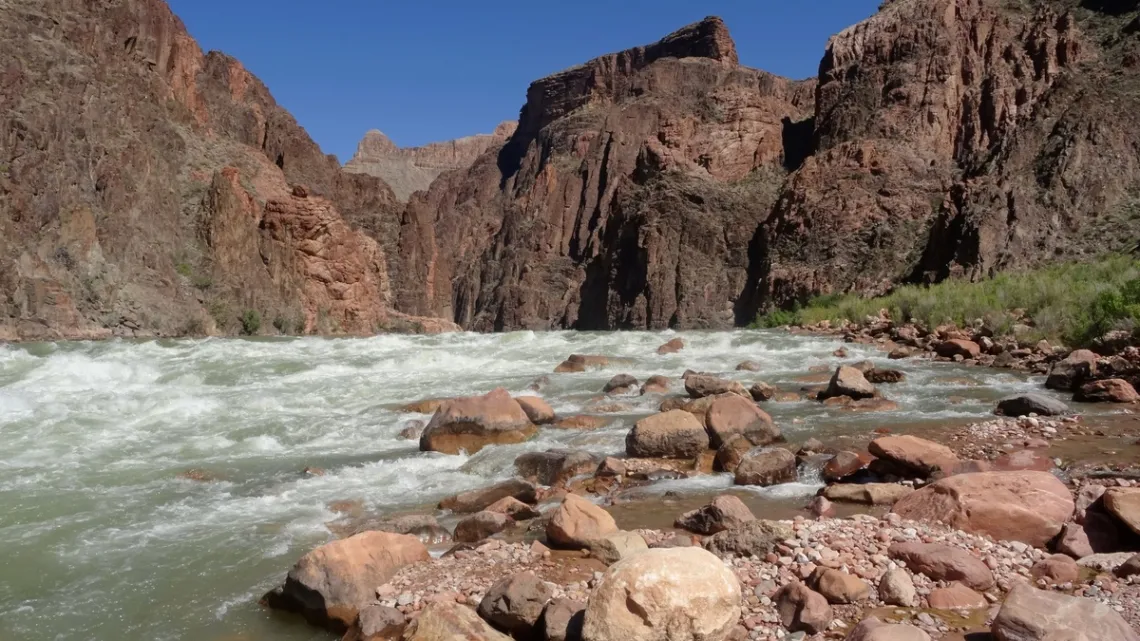
Fedarko traversed Grand Canyon National Park from Lee's Ferry to Lake Mead mostly with a single companion by 2023 (book copyright 2024), 750 miles. With critically important support by another team of buddies providing food/water/etc caches and meetups. Initially they are trying to move west near the Colorado River, both sides, through thick vegetation and difficult rocky sections. Then they get to the sections some of us have done with developed trails and campsites, along the Tonto Plateau. And move west along the Esplanade sandstone; some sections not bad hiking but very limited water, some slot canyons to get around, and where is their next cache? One companion starting one section a day early summer 2016, descending below the south rim, disappeared during a 120° heat wave. Never found despite serious searches. Then they did Great Thumb Mesa and more sections we are happy weren't along for.
The support team did some other stuff in addition to placing caches. “In four years, they spent more than 100 nights dropping into 165 separate slot canyons, more than 100 of which are believed to have been first descents.” Requiring serious climbing gear; 200' of rope, belay anchors, ascenders etc. Descending into these canyons on the ropes, assuming the anchor didn't fail, the landing would appear as expected, maybe with few hand/footholds on the way down, and that the next section would be fine.
Pg 324 has an overview map of the canyon with the route. The bits some of us have done are only on the right ¼ of the map. Then right-to-left the map passes the Toroweap area in the park (picture above), goes around Shivwits Plateau, a number of canyons and finally Sanup Plateau before getting to Lake Mead.
In the last chapter and epilogue is mentioned the historical presence here of the Hualapai and Havasupai peoples. And the designation of a new national monument by President Biden in 2023, Baaj Nwaavjo I'tah Kukveni – Ancestral Footprints of the Grand Canyon National Monument. Indian Gardens campground halfway down Bright Angel Trail has been renamed Havasupai Gardens. Hopefully the current US government doesn't succeed in attempts to rescind the monument designation and boundaries, which was greatly supported by Arizona residents and all the involved tribes. January 27th a federal judge in Arizona dismissed two such lawsuits. More info at Grand Canyon Trust.
by Kevin Hartley, Sierra Club Life Member
Outings: The Call of the Wild
Visit the Alamo Sierra Club Outings page on Meetup for detailed information about all of our upcoming Sierra Club Outings.
The Alamo Sierran Newsletter
Richard Alles, Editor
Published by the Alamo Group of the Sierra Club, P.O. Box 6443, San Antonio, TX 78209, Website.
The Alamo Group is one of 13 regional groups within the Lone Star Chapter of the Sierra Club.
Changed your contact information?
If you're not sure whether the Sierra Club has your current email address, send an email to Member Services with your name and address and/or member ID (see Locating Your Member ID) so they can add your email address to your member record.
Have you moved? Let us know by sending your old address, your new address and your member ID to: address.changes@sierraclub.org.
Go online for the latest news and events
 |
 |