Gardening Just Got Wilder
“Chaos gardening” offers a cheaper and cheerful alternative to traditional planting
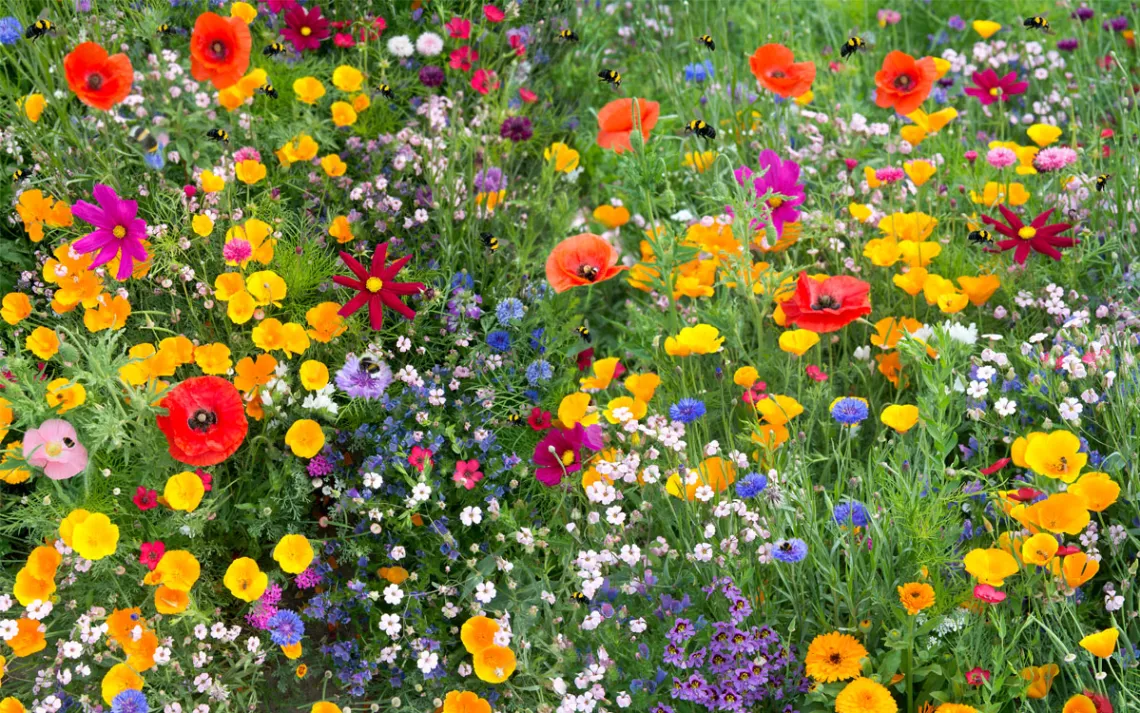
Photo by AnjoKanFotografie/iStock
In the #chaosgardening “before” shots, backyards and garden beds are barren patches of dirt and weeds. In the after shots, a brilliant array of colorful wildflowers sway in the breeze. On TikTok, the nearly 25,000 posts with the “chaos gardening” hashtag, from amateur and experienced gardeners alike, showcase the transformation of their outdoor spaces using this relaxed, somewhat haphazard approach to gardening.
Chaos gardening doesn’t require much skill or preplanning, which is part of why it has become so popular. It gained recognition during the RHS 2023 Chelsea Flower Show in London, which featured wild, abandoned, and self-seeding garden plots where disorganization was a principal aesthetic. TikTokers soon picked up the ethos and began sharing their successes and failures with minimally planned gardening. Instead of sowing seeds in straight lines or starting vegetables indoors, chaos gardeners throw down some seed—the leftovers from last year’s packets, premade mixes, or any chaotic combination—and see what happens.
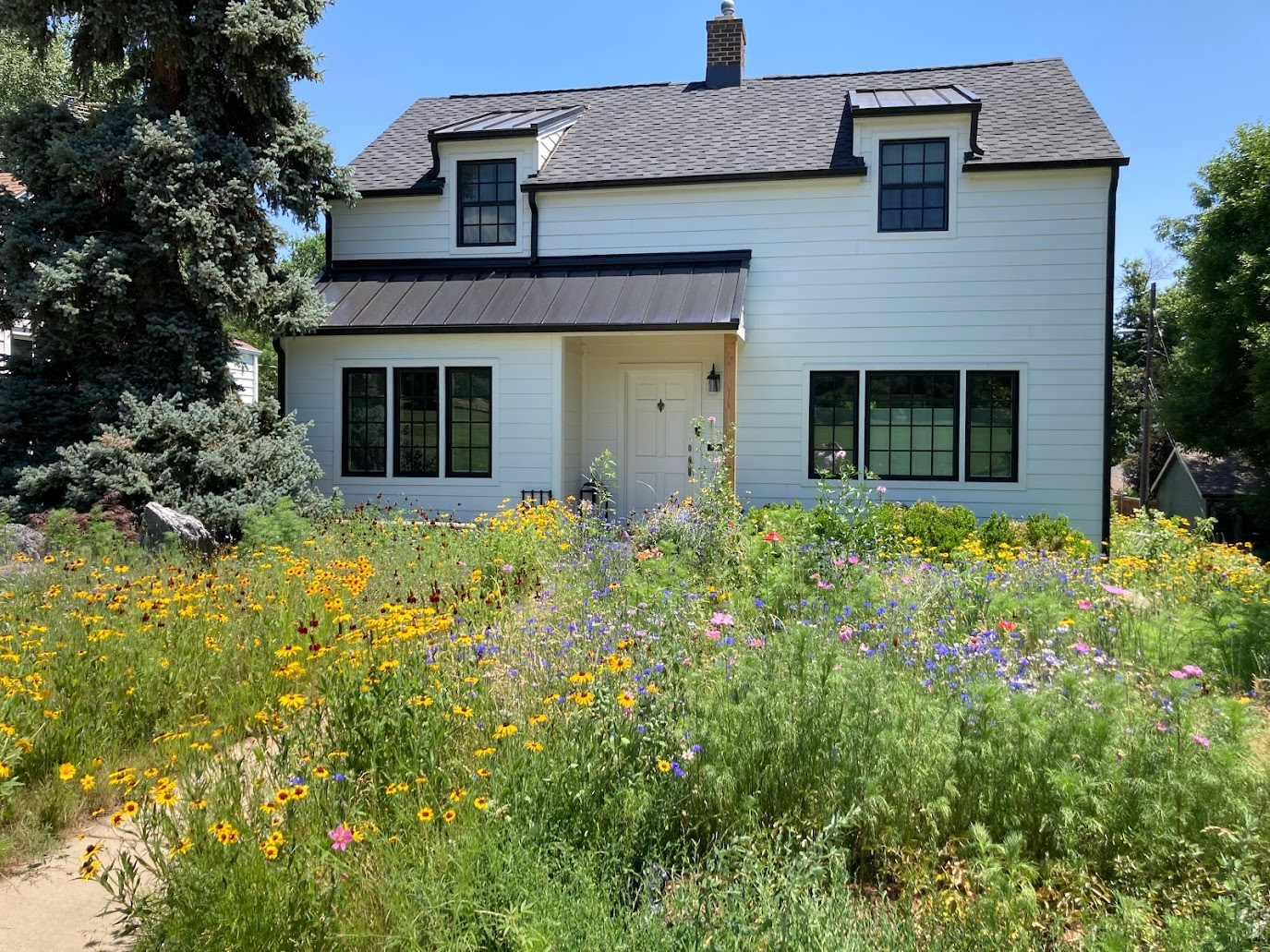
This isn’t a new practice, says Deryn Davidson, the sustainable landscape state specialist at Colorado State University Extension. People have been scattering and sowing seeds forever. Yet the new name “chaos gardening” captures what makes it so enticing. “It does kind of take the formality out of it,” she said, which makes gardening more fun and approachable—as does the lower start-up costs. The necessary supplies for building a small backyard garden can easily cost hundreds of dollars, and as consumer prices rise, chaos gardening offers an affordable way to beautify your space. “It seems like a really cool way for people who may think that they can't garden to just try and see what happens.”
Ultimately, you can choose how “chaotic” you really want your garden to be, but as Davidson said, “you don’t want to completely throw caution to the wind.” You can set yourself up for success with a few simple steps while investing minimal effort and resources.
Courtesy of Deryn Davidson
Choose seeds intentionally
While you can use whatever you want and have on hand—whether that’s vegetables, flowers, or herbs—think a little about what you’d like to see growing. Annuals like cosmos, zinnias, and marigolds typically grow quickly and bring lots of color to your garden. Wildflower mixes with tall, hearty plants like coneflowers and black-eye Susans are also popular, and many contain perennials or self-seeding plants that will come back again next year. Herbs like basil and oregano generally do well too.
It’s possible to grow vegetables in a chaos bed, but Davidson says they’re harder to predict. Chaos beds don’t offer a lot of space, so they can easily get crowded out. It’s also hard to maneuver in the crowded beds to tend and harvest edible plants, but that doesn’t mean they won’t work. “You just don't quite have as much control over it,” she said.
Considering your plant hardiness zone will also help you choose the right plants for your region based on average temperatures. Seed mixes are great, but they don’t always contain the right species for a region. Davidson said that wildflower mixes from national companies are not picked with an attention to conditions of a specific region and might even contain seeds for plants that are aggressive or invasive in your area. Do some research beforehand or contact your local extension office—which provides free expert gardening and agricultural advice—to ask about seed mixes if you’re uncertain.
Plan and prep your planting site
Along with your region’s temperature, consider the conditions of the site where you plan to garden. Most plants need at least six hours of direct sunlight to thrive, so choosing shade-tolerant species for a less-sunny corner of the yard is good insurance. Nutrient-rich, well-draining soil is also crucial. If your soil is extremely dense or full of clay, the seedlings’ roots may struggle to break through, but amending with garden soil, compost, and perlite will help.
After weeding (because even a chaos garden can get choked by dandelions and crabgrass), gently rough up the surface of the soil with a rake before scattering the seeds. They’ll germinate best—and not get eaten by birds or squirrels—if you rake again to loosely cover the seeds. Then you could wait for natural precipitation, but watering right away will give the seedlings a head start.
Perform routine maintenance
Taking care of the plants throughout the year will help a great deal, including consistent watering, weeding, and pruning dead growth. If plants are too crowded and competing for resources, thinning out seedlings will give others the chance to thrive.
The best part? If you aren’t beholden to any particular vision for your garden, you can step back and simply let nature do its thing.
Consider the bigger picture
Beyond bringing some beauty to your yard, chaos gardening can also be a more sustainable way to grow things. Part of Davidson’s role is helping people build gardens that are not only beautiful but also productive and biodiverse. Chaos gardening can support that goal, as it avoids some of the wasteful, resource-intensive practices of traditional gardening.
Planting diverse species can also be a great way to support pollinators, whose populations are declining worldwide. Seedheads left over the winter provide a place for insects like ground-nesting bees to hibernate, and native plants support local ecosystems and biodiversity. Davidson recommends planting species that bloom at different times, so you have flowers to support pollinators all the way into the fall. She thinks chaos gardening can be beneficial for human health and well-being too, as it provides a way to engage with the natural world in a way that isn’t super resource- or time-intensive. “The benefits of people getting out and engaging with natural systems is fantastic.”