A Room-by-Room Guide for Going Plastic Free
And other tips for living a more sustainable life
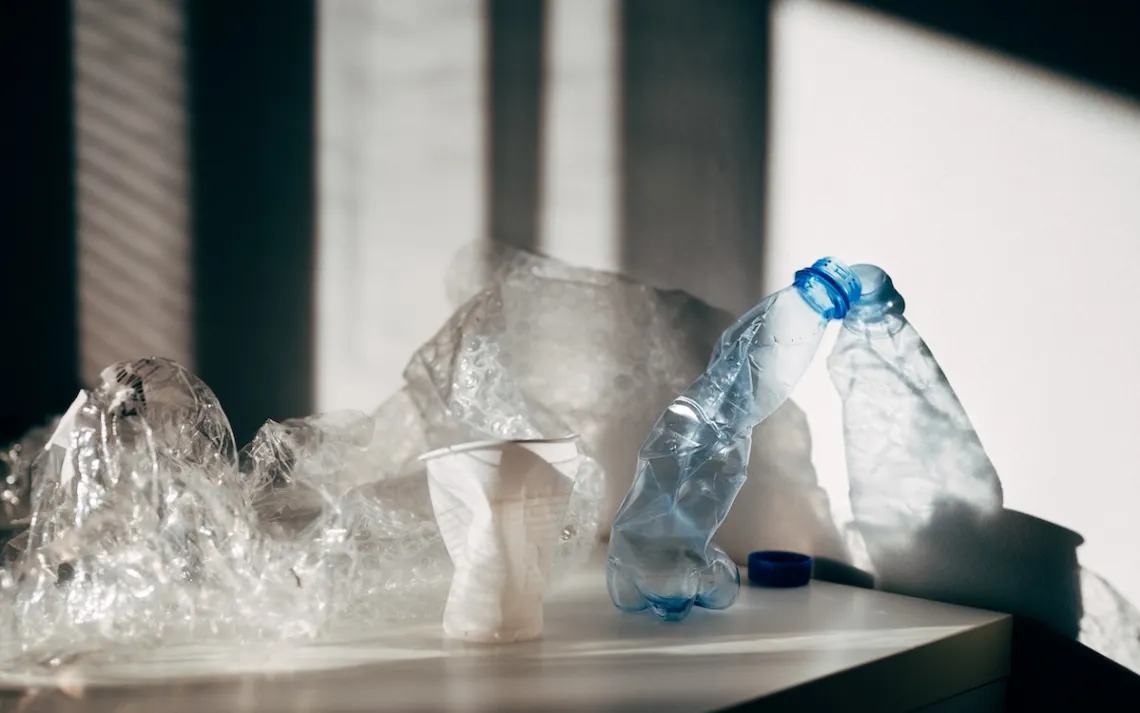
Photo by Viktoriya Skorikova/Getty Images
Plastic has gotten a bad rap for decades—we can all picture that sea turtle stuck in a six-pack ring. Though the impacts of plastic on wildlife and the environment are well documented, its effects on human health are now becoming clearer: Plastic exposure is linked to infertility, obesity, diabetes, cancer, cardiovascular disease, strokes, neurodevelopmental disorders, and more.
Research shows that adults ingest the equivalent of one credit card of plastic per week. How? Plastic bottles, cups, containers, and other forms of the material often shed microplastics that get into our food, air, and water. They can saturate whole ecosystems and even move around the planet. They’ve been found in rain and snow, even in sea ice as far away as Antarctica.
While plastic is everywhere, we can significantly reduce exposure in our own homes. And while it may seem like an insurmountable task, it’s possible to make progress without burning out. How? Just go one room at a time.
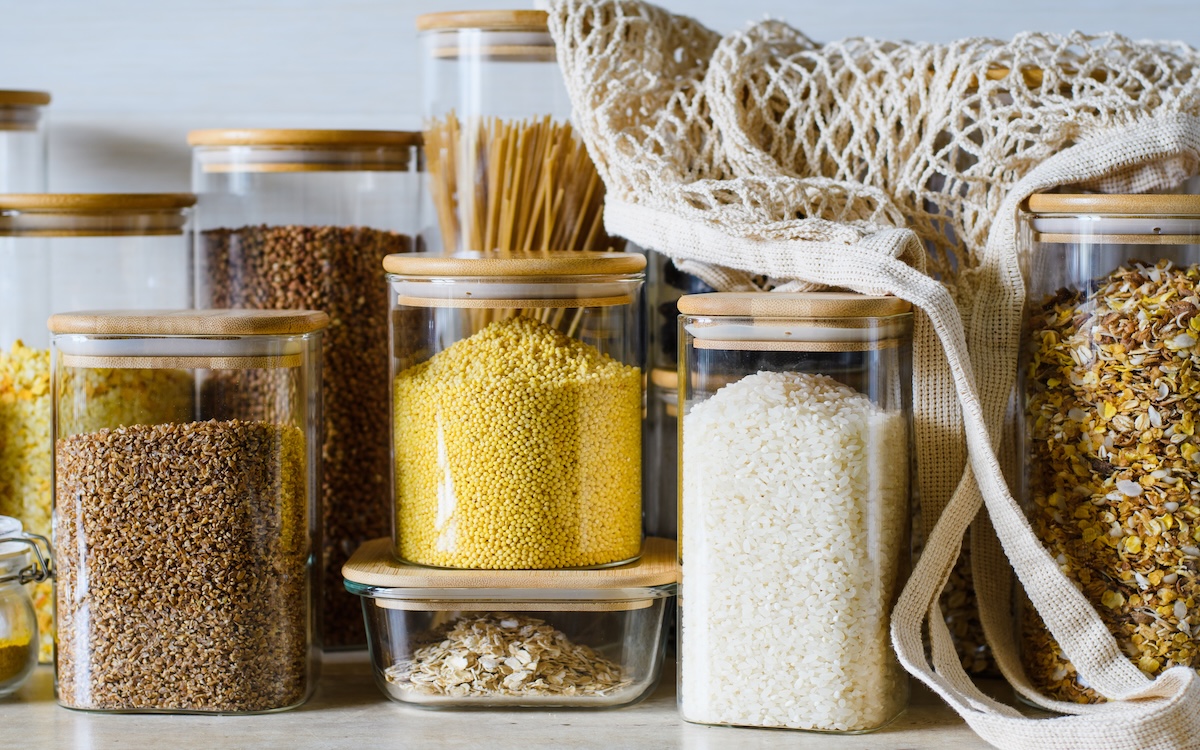
Photo by Nikita Burdenkov/iStock
Your kitchen
If there’s one room in your house to focus on, make it your kitchen. Swap out those plastic leftover containers for glass; invest in alternatives to plastic bags and plastic wrap, like cloth produce bags and beeswax covers; and replace your plastic utensils, sponges, and brushes with those made with natural materials. Look over your pantry—are there items you can easily upgrade next time, like loose-leaf tea and peanut butter in glass jars?
For example:
- Many popular kitchen utensils like spatulas are made of black plastic. These can be toxic to your health: Black plastic is typically made from recycled electronic waste, and these products may still contain toxic chemicals, such as flame retardants. Buy wood or stainless steel instead.
- Try to buy everyday items like nuts in bulk, and bring your containers to the store to purchase them. Many natural food markets now offer refill stations for such things as dish soap and shampoo.
- Weed out plastic sandwich storage bags and over time replace them with other ways to store food, like glass or bamboo containers. And don’t reuse those leftover plastic containers: When plastic heats up, it sheds microplastics that can get into your food.
- Plastic water bottles can feel like a necessary emergency backup, but many cheap brands of bottled water come in thin, papery plastic that can leach microplastics into the water, especially if the bottle has ever been heated, knocked around, or damaged.
- Notice items that see repeated friction, abrasion, or heat. Think plastic sponges, cutting boards, and coffee makers—scrubbing, cutting, and exposure to high temperatures can cause microplastics to shed into our food, water, and hands multiple times a day.
- For your next party, don’t be tempted by the convenience of buying plastic utensils or plates that can then be dumped in the garbage. Single-serve plastic forks, knives, cups, bowls, and plates are among the worst offenders filling up landfills around the world.
- Learn to repurpose herbs, fruits, and veggies, avoiding future plastic purchases. Wilting herbs can be zapped in the microwave to become dried, for example, and veggie scraps can be frozen and turned into broth.
- Invest in learning to make your go-to foods. Mastering your own basic bread or salsa, for example, means one less packaged item to worry about.
Of course, the first rule of going plastic free is going zero waste. Before you go out and buy new, shop secondhand, and look to repurpose what you already have, like those glass jars in your recycling bin. The second rule is to look to your community: You might be surprised what a little research turns up, like the return of local (glass-jarred) milk delivery.
Your bathroom
Your home’s next plastic-free target should be your bathroom. This one will be more difficult—there aren’t tons of great alternatives to toothpaste, for example, so go easy on yourself. Start small and move from there.
- Look for eco-friendly floss, for starters. Some brands sell floss in cardboard packaging.
- You can find plastic-free toothpaste tablets and toothbrushes made of bamboo or recycled materials. If tablets aren’t your thing, buy larger tubes to reduce packaging.
- For shaving, favor the shaving bars of soap over the bottled shaving creams.
- Make the switch to metal safety razors and natural loofahs and toothbrushes.
- For toilet paper (bidet, anyone?), go for bamboo or the kind wrapped in paper.
- And for those who wear makeup, opt for reusable cleansing cloths, plastic-free compacts and tubes, and even package-free items.
Lastly, do some retail research. More and more brands are jumping on the plastic-free train—you may be surprised what you find, like reusable, refillable body washes and stainless-steel deodorants.
Photo by Thomas Barwick/Getty Images
Your living room
Your living room may not feel like a plastic hot spot, but take a closer look. Do you have sofas, chairs, or other upholstered furniture made with polyester? That’s a synthetic fabric made from petroleum, just another form of plastic. The same goes for polypropylene, another common synthetic material used to make furniture. A dead giveaway that your furniture is made with these plastic materials is the marketing term “high performance,” because it's easy to clean and water resistant (thanks to all those toxic chemicals).
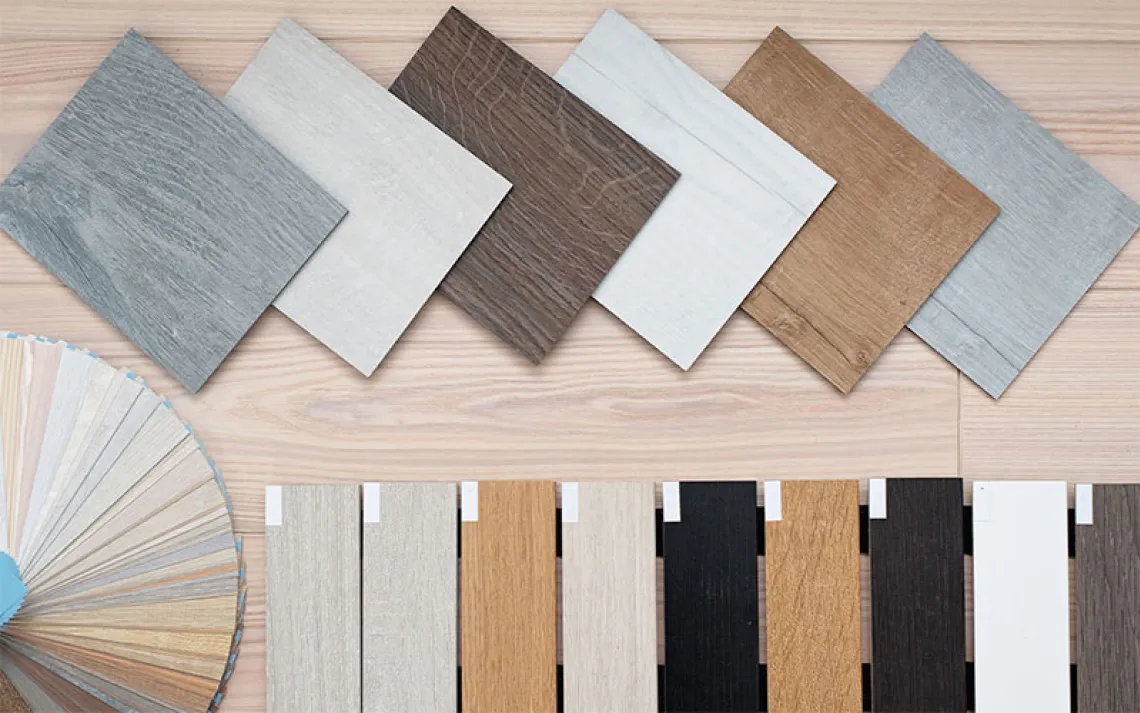
The flooring in your living room could also be plastic. Vinyl flooring, or what’s sometimes marketed as “luxury vinyl,” is just plastic panels manufactured to look like real wood. This product is often treated with toxic chemicals such as flame retardants, phthalates, and bisphenol A (BPA), and installed with glues that can be toxic through off-gassing.
Curtains for your windows, or even the window trims themselves, could also be made of plastic.
Yes—all this can start to feel overwhelming. After all, very few people have the resources to just replace their living room from top to bottom. (And besides, that would result in so much waste!) The idea is this: Going forward, start making choices, one by one, that can phase out those plastic items from your home:
- In the market for a new couch or other piece of furniture for your living room? Do your research before making online purchases, or ask someone at the store detailed questions. Opt for textiles made from natural fibers like wool, cotton, or jute. Look for pieces upholstered in natural fabrics rather than synthetic microfibers, which shed worse than the family dog.
- Look for candles in glass or tin, and swap out plastic picture frames for wooden or metal ones.
- If you are looking to install a new floor, there are plenty of options, from real wood to linoleum to regular tile, that might fit the bill.
- If you’re a parent whose living room is often just a second playroom for your kid, hop on the analog train: Wooden toys in particular hold up beautifully through multiple generations (and they’re the antithesis of screen time).
Again, you do not have to do all this at once. If going even one room at a time is too much, go one corner at a time. It’s all progress.
Your bedroom
Plastic-fueled sleep does not make for sweet dreams. To rest easy, start with:
- Your bedding: Transition to organic cotton or linen once it's time to replace your current sheets. Linens made with polyester, nylon, or acrylics release microplastic fibers into the air and your washing water.
- Your mattress is a longer game. Many conventional mattresses are made with plastic, but a full replacement is a significant investment. Covers made from natural materials can help in the meantime.
- Your closet is next up for an audit. Fast fashion tends to rely on polyester, nylon, or acrylics. The fix isn't to throw everything out—that's waste, not progress—but from here, choose natural fibers when buying new, and wash synthetics in a Guppyfriend bag, which captures the plastic fibers from your washing machine before they enter the water supply.

Photo by Josep Gutierrez/Getty Images
Your office
The home office is probably the hardest nut to crack, because plastic is baked into nearly every piece of technology we use. No one expects you to replace your laptop, but you can tackle the smaller stuff:
- Swap plastic pens for wooden or metal ones.
- Replace sticky notes with a small chalkboard or paper notepad. Some sticky notes are made with a film that contains plastic.
- Take this opportunity to make your office more sustainable in general. Reconsider products that use single-use batteries—rechargeable versions may be readily available.
- For electronics, buy secondhand and repair what you have for as long as you can. When it finally dies, look into proper e-waste recycling rather than tossing it in the trash. For cords and chargers you do need to buy new, look to the few brands beginning to use recycled materials.
- If you use a printer, consider whether ink cartridges can be refilled rather than replaced, and look into eco-friendly inks. And remember, what you don’t buy matters too.
Lastly, a plant on your windowsill isn't just a trendy aesthetic—certain houseplants (such as spider plants) have been shown to reduce indoor air pollutants. Just make sure the one you get isn’t planted in a plastic potholder!
What you can do to make a plastic-free world
Going plastic free at home is a solid start, but it’s just as easy—and important—to encourage meaningful change at the community level:
- Ask your butcher to wrap your order in paper.
- Bring a reusable cup to your coffee shop (many will fill it, even if it's not on the sign).
- Ask your dry cleaner if they offer wet cleaning, CO₂ cleaning alternatives, and plastic-free pickup options.
- Look to your neighbors for the things you need only occasionally, like tools.
- Introduce your friends and family to the plastic-free products you’re using—sometimes it’s just about awareness.
- Join local Buy Nothing groups on Facebook or through the Buy Nothing app to borrow, share, and pass on unwanted items.
- Thrift, thrift, thrift. Secondhand shopping is one of the most effective plastic-reduction moves there is—for you, for your community, and for the planet.
- Join the movement: If your state doesn’t already have a ban on single-use plastics, contact your elected representative and demand one. Campaigns like Break Free From Plastic also offer resources for how to be active in bringing about a plastic-free world.