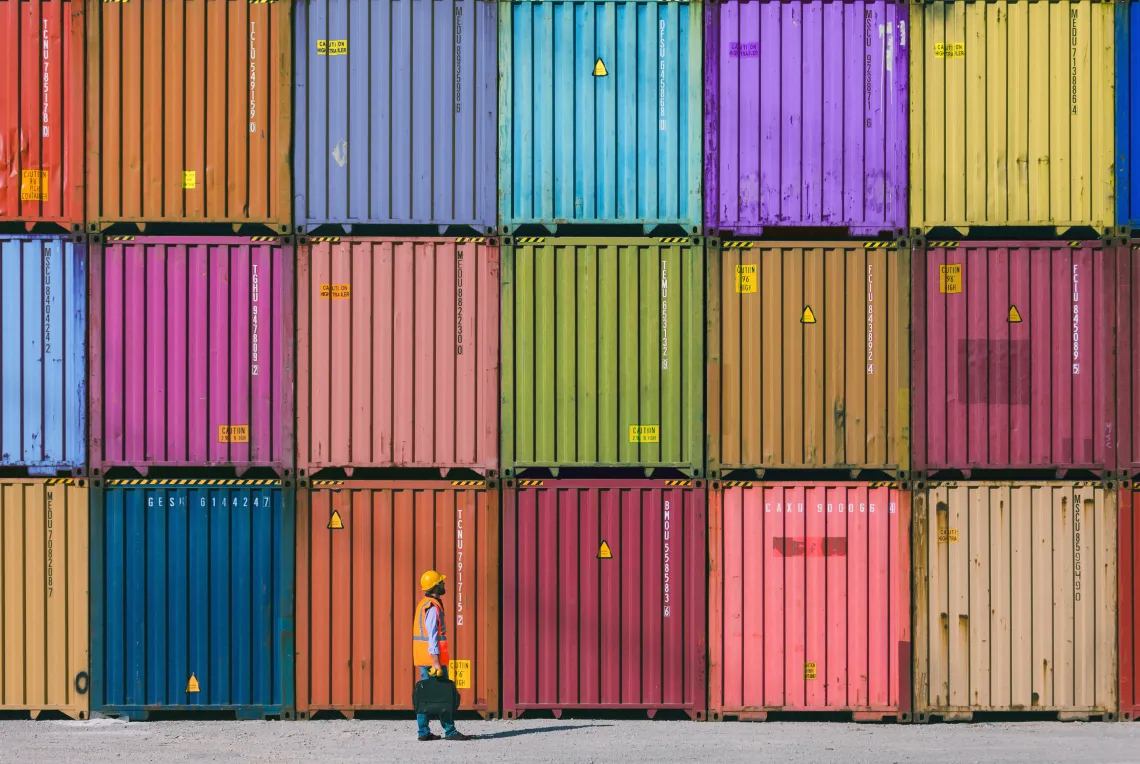
President Trump and his administration are rushing to broker new trade deals and revisit existing ones, unveiling that the real purpose of Trump’s chaotic tariff threats was to open up our jobs and communities to the harmful consequences of more trade rather than trying to bolster American industries.
The administration has announced it is working on new agreements with the United Kingdom, China, and dozens of other countries, including those with terrible records on pollution, human rights, and workers rights, without the input of Congress and the American people. New trade agreements are not the only concern, however. Trump is likely to use the review of the successor agreement to the North American Free Trade Agreement, called the United States-Mexico-Canada Agreement (USMCA), to make the deal work even better for corporations and polluters.
TAKE ACTION: Tell your member of Congress to prioritize the environment and public health in future trade deals!
We cannot let this secretive approach to trade policy go on. The global trade model is broken. The current rules that govern trade between countries pad the pockets of corporate CEOs while encouraging the exploitation of workers and the environment. Consumers may have more access to “stuff” — but lowering the barriers to global trade has not improved our wellbeing. Decades of bad trade policy led to a decline in American manufacturing and the outsourcing of thousands of good-paying American jobs, while increasing pollution and corporate profiteering overseas.
We need a new model for trade that propels us into the future — one that bolsters environmental protections, provides good-paying jobs, and ensures sustainable supply chains. As the Trump Administration sits down with other countries to hash out new trade deals with the goal of bringing back jobs and securing supply chains, it presents a pivotal opportunity to insist on a new set of guardrails for climate-friendly trade deals that create jobs and protect people and the planet.
The Sierra Club played a pivotal role in speaking up for the environment during the negotiations of the original NAFTA agreement in the early 1900s, and again in speaking up for major reforms to the North American trade pact during the negotiations for the USMCA, aka NAFTA 2.0, during Trump’s first term. Now we’re committed to again fighting alongside you to push for a new model for trade that prioritizes the environment and sustainability to lift up fenceline communities and American jobs.
TAKE ACTION: Tell your member of Congress they play an important role in negotiating fair and responsible trade deals!
A vision for climate-friendly trade
So, what exactly does a climate-friendly trade deal look like — one that creates jobs and protects people and the planet? Here are several requirements:
Trade agreements must have binding environmental standards. In most trade deals, governments are “encouraged” to uphold environmental laws in their country, as well as any commitments each country has made under international treaties. However, climate-friendly trade deals must not see environmental protection as optional, but rather as key to prosperity and security. Trade deals must create steadfast commitments that each country protects against pollution and exploitation of the natural world.
Trade agreements must be able to enforce these environmental obligations. The current rules that govern trade deals unfortunately lack any pathways for meaningful enforcement of a trade deal’s environmental provisions, which means that even if an agreement creates environmental obligations on paper, governments can let companies off the hook for meeting strict pollution limits without impacting trade relationships. Enforcement makes environmental obligations stick — and any new or revised trade deals must include strong and meaningful enforcement tools.
Trade agreements must establish common practices and tools to help governments enforce these environmental obligations. In particular, each country must establish and utilize the same standards for reporting on the pollution impacts of individual factories and polluting facilities like power plants. This will ensure any new or revised trade deals can be used as tools to streamline manufacturing processes and modernize economies, including how countries make essential goods, produce energy, and move things from place to place. Climate-friendly trade deals must require cooperation and coordination on pollution reporting so all countries operate from a common understanding.
Trade agreements should reward innovators. Our outdated trade model has allowed companies to move their manufacturing to countries where the cost of doing business is cheapest.This process is known as “offshoring” jobs and pollution, and it rewards countries whose industries lean on cheap and outdated manufacturing practices and exploitative supply chains. Tools like pollution dumping fees — require importers to pay an additional fee on particularly pollution-intensive goods — can help ensure that companies that take financial risks to modernize have a fair shot in the global marketplace. Climate-friendly trade deals must incentivize industries to advance, not encourage industries to stagnate.
Trade partners must agree not to challenge each other’s climate plans. This includes agreements not to threaten each other’s green climate policies that create green jobs and make investments in transforming polluting industries. Our outdated trade model makes it easy for one government to target another government’s climate policies on the grounds that those climate policies made trade less fair. Climate-friendly trade deals require new rules that reward each country’s transition to a clean energy economy, including the creation of good-paying jobs and environmental protection.
Tell your representatives to prioritize climate-friendly trade
The Trump administration is moving full steam ahead on negotiating deals with countries all over the world. Unfortunately, some of these countries have horrible track records on climate: their factories create massive amounts of pollution, and many industries thrive on degrading the environment, like through deforestation, exploiting workers, and violating human rights.
Members of Congress play an important role in making fair and responsible trade deals a priority by providing Congressional oversight to the Trump administration and ensuring all future trade deals create good-paying jobs and protect people and the planet.