
Out in the silent, solitary desert near Death Valley lies a 22,500 acre-stretch of wilderness known as the Conglomerate Mesa. The land is rugged and undeveloped, and I have a special connection to it.
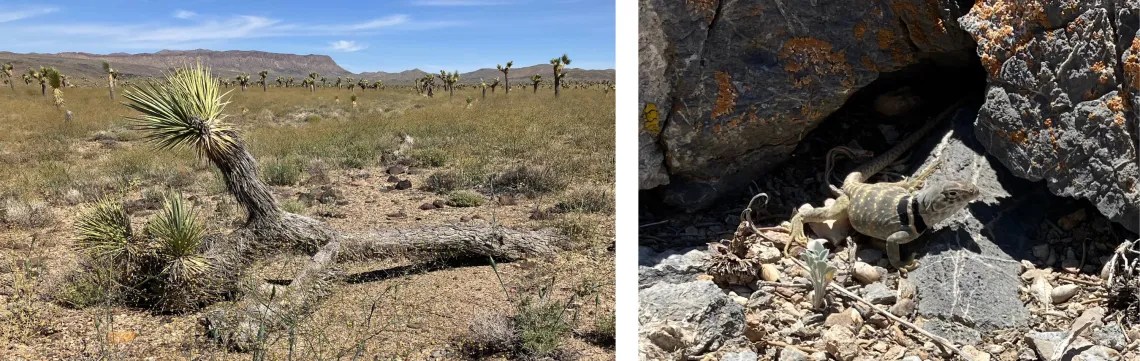
The first thing I look for when I go out to Conglomerate Mesa is the mesa itself. The hard, resistant conglomerate strata protects the rock below and forms a classic mesa outline. Then comes the Joshua tree woodland that seems to float in a sea of apricot mallow and trumpet buckwheat. It is truly magical.
The mesa comes alive in the spring and summer when the flowers bloom and wildlife flourishes. I've seen thousands of grasshoppers, Panamint rattlesnakes, a collared lizard, seven species of butterflies and skippers, a flock of rock wrens and of pinyon jays, coyote tracks, rabbit and ground squirrel warrens, and very interesting architectures of woodrat homes. For two nights I listened to a Great Horned Owl hooting.
The Mesa Under Threat
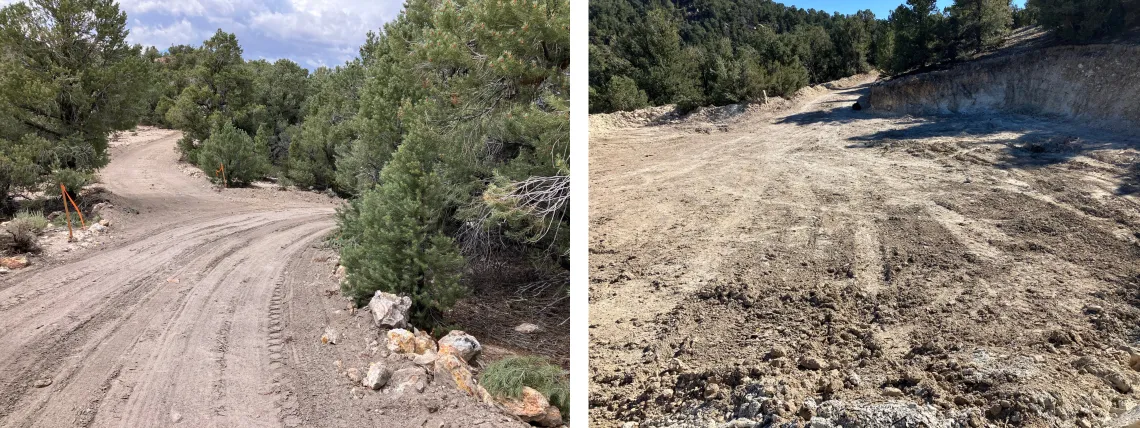
This wonderful place now faces destruction from gold exploration. K2Gold, a mineral exploration company based out of Vancouver, Canada has plans to drill at 30 locations at Conglomerate Mesa. In order to do this, they will need to clear large areas of vegetation and put in miles of new roads. There are hundreds of Joshua trees in the path of travel, along with many rare plants and young pinyon trees. Woodrats, lizards, and snakes that can't get out of the way of the bulldozer will be crushed.
I’ve seen the harm done at gold exploration projects in the Bodie Hills where hundreds of healthy, mature pinyon trees were removed or where vegetation was cleared for drill pads and new roads and that are now becoming strips and patches of flammable, noxious weeds like cheatgrass and Russian thistle.
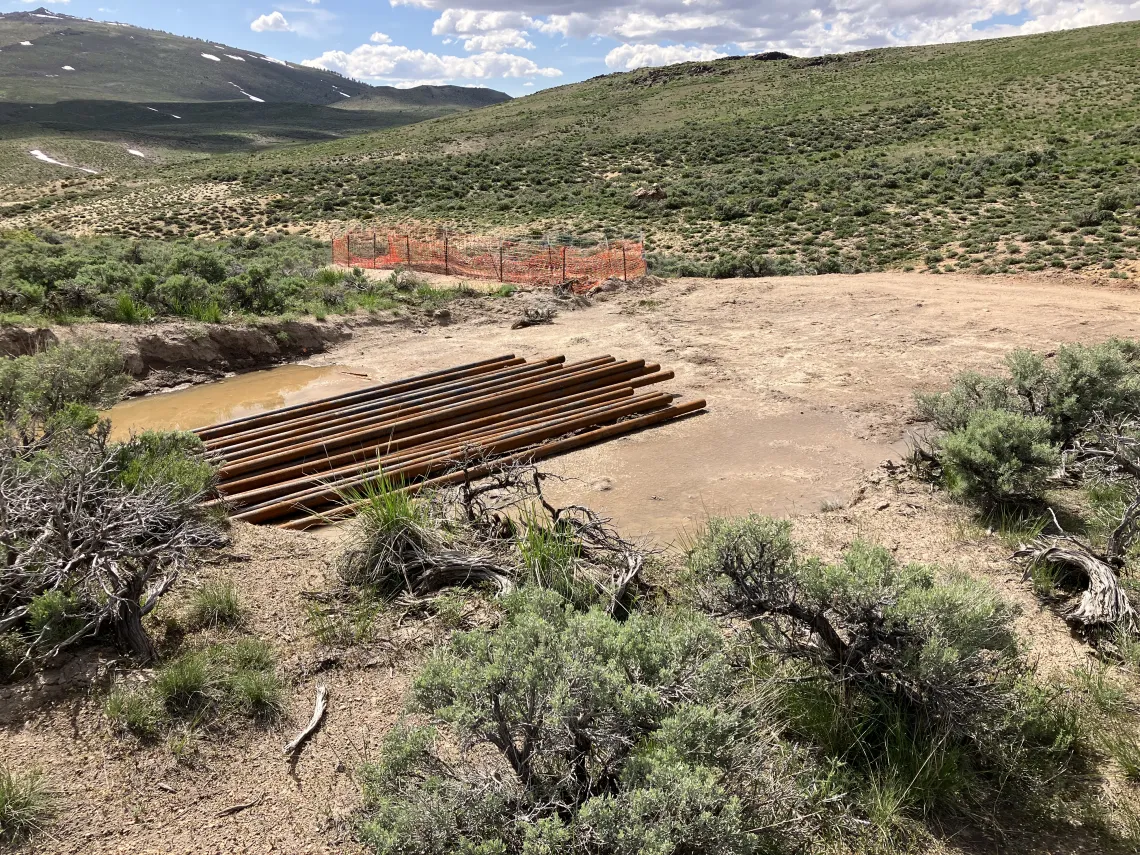
K2Gold's website tells their investors how their proposed project “supports the Department of Interior Secretarial Order 3418 unleashing American energy by encouraging exploration and production on federal lands to meet the needs of American citizens.” But this is nonsensical. Gold is not a critical mineral and the U.S. has plenty to meet the needs of industry. Nevada is already the highest gold producing state in the U.S. and 5th largest gold producer in the world. According to the World Gold Council, 91% of our gold goes toward jewelry in markets in India and China, investments, bank vaults, and home safes. A mine at Conglomerate Mesa would be digging up microscopic gold to make gold coins that can be sold at Costco for people to put in safes. We've lost sight of what is really important, life and the wonder of nature.
Take Action
The fight to protect Conglomerate Mesa is about more than just preserving a beautiful desert landscape—it's about standing up for its profound cultural significance to Indigenous communities and the right of future generations to experience our cherished natural, unspoiled places. Industrial gold mining has no place in a fragile ecosystem like this. If we want to keep this land protected for generations to enjoy, we need to speak up now. Join us in calling on the Bureau of Land Management to reject destructive mining proposals and safeguard Conglomerate Mesa—send your comment today.