Question 8

|
David Holtz
Sierra Club understands that environmental protection fails when democracy fails. Communities stripped of voting rights cannot stop toxic dumps or protect public lands. Scientists silenced cannot document climate impacts. Courts captured by extremists and corporations will not enforce clean water laws. This understanding drives Sierra Club’s work. The 2026 midterms represent another critical opportunity to strengthen democratic institutions while advancing environmental protection. Sierra Club has consistently turned environmental campaigns into durable community power. Our work builds engaged citizens. Our coalitions strengthen civic networks. Our chapter actions create informed advocates who understand how democracy and environment intersect. The communities we’ve helped defend their water have become organized forces demanding accountability. A joint staff-volunteer national leadership team focused on democracy and movement building reflects this proven approach. Chapters have always been our strength—knowing their communities’ needs, identifying civic leaders who share our values, and understanding which issues mobilize neighbors. National can provide coordination, financial resources, expertise, training, and legal guidance to support local leaders in building grassroots power. Coalition work is our civic infrastructure. Sierra Club’s partnerships with good-government groups, community organizations, and environmental justice advocates have built networks that expand democratic participation. We have paired public education with community organizing, legal advocacy with civic engagement. This is Sierra Club’s legacy and continuing mission. By treating democratic participation and environmental protection as inseparable, by empowering our grassroots base, and by building coalitions that convert concern into civic action, we help communities reclaim their power while protecting democratic institutions and the planet. |
|
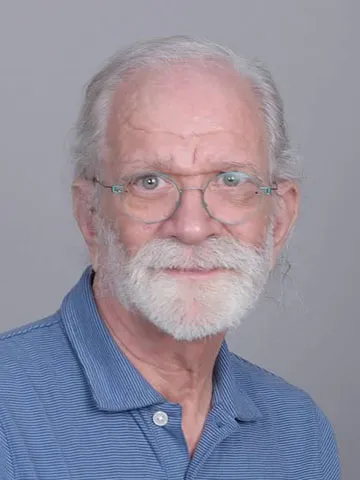
David Scott
I support greater involvement in well-planned, peaceful protests that the First Amendment allows for. The well-planned and peaceful parts are critical, given the risk environment we face. We have a history of Environmental Justice work, much of it through our Law Program – protecting sacrifice zones like the lower Mississippi and the Gulf Coast. We need to raise money and fund that work. |

|
Elisabeth Lamar
As I write this from the safety of my home, folks are on the streets responding to state-sanctioned violence. People are being kidnapped from my community right now. The Sierra Club understands that any threat to our democracy puts us all at risk. I am encouraged by the work the organization has played in endorsing strong political candidates and look forward to our continued engagement in their campaigns. |

|
Alejandro Ortiz
Threats to democracy are threats to the environment. This is one area that we must take more ownership of. If our communities have no access to democratic norms, they almost certainly have no time or energy to care about public health, our lands and waters, or our wildlife neighbors. Democratic principles are what protect our existing environmental enforcement mechanisms. Our members want to see us fighting fascism in real time, not waiting it out for a more friendly administration. Sierra Club needs to position itself as a staunch defender of democratic principles, and a fierce ally of other progressive, democracy-oriented organizations. |

|
Annę Woiwode
Defending democracy is critical to everything the Sierra Club does today. Understanding the context and implications of what is happening in governments and adapting to address those changes has always been essential to advance our work. In the 1980s we decided to engage in electoral activities by endorsing candidates when it became clear this was critical to elect environmentally committed candidates. In the 1990s we began to invest in organizing capacity, making us much more effective. We also listened to BIPOC leaders who were painfully accurate in calling out big environmental groups for failing to address environmental injustices, and we shifted our work and values to begin to try to rectify that glaring deficiency. Virtually every environmental success we’ve had comes from engaging our members in lobbying, administrative advocacy, litigation and elections. Every one of those tools is threatened as an authoritarian regime has arisen at the federal level. Sierra Club continues to be relevant and effective because our system of government provides for citizens, instead of an oligarchy, to drive decisions that affect us all. Our environmental and conservation work must continue. However, we must defend democracy, elect leaders who will fight for our rights, and block the worst excesses of the Trump regime. Sierra Club has outlasted mediocre and dangerous presidents before. This one is the worst we’ve seen, but we have shown how resilient we are, and how to be effective even in difficult times. |

|
Joi Travis
We should encourage our members and supporters to continue to do the good work that we do and communicate any challenges faced in their communities. Sierra Club should create spaces quarterly for members to be able to get policy updates and encouragement about what is happening in our communities. |

|
Shruti Bhatnagar
We must remain steadfast in our mission and continue doing the work that defines who we are. The 2030 strategic framework firmly rooted in our Core Values provides a framework of a “Resilient Sierra Club to Meet the Challenges”. Sierra Club is uniquely positioned as a grassroots advocacy organization. Chapters and Groups have meaningful relationships with their elected officials and local coalitions. They have a better understanding of their landscape and issues and priorities. It's important to support their grassroots efforts, provide resources such as training and tools that can strengthen their ability to advocate, engage and organize locally. Supporting Chapters in electing Sierra Club endorsed candidates, and voter protection initiatives to ensure free and fair elections is vital. The fight for democracy, equity, and a livable planet are interconnected. Without action to protect and strengthen our democracy, everything we’ve accomplished can be undone. By strengthening our partnerships with broader coalitions, and fortifying our organizational resilience, we can remain a powerful, trusted force in the environmental movement and effectively advance our mission —even in a rapidly changing political landscape and unpredictable federal actions. I believe in the Jemez principles of grassroots organizing. As the Vice President for Conservation, I have been a strategic partner supporting volunteers and staff in developing guidance to empower chapter participation in local and national days of action. |