Campaign Planning & Strategy
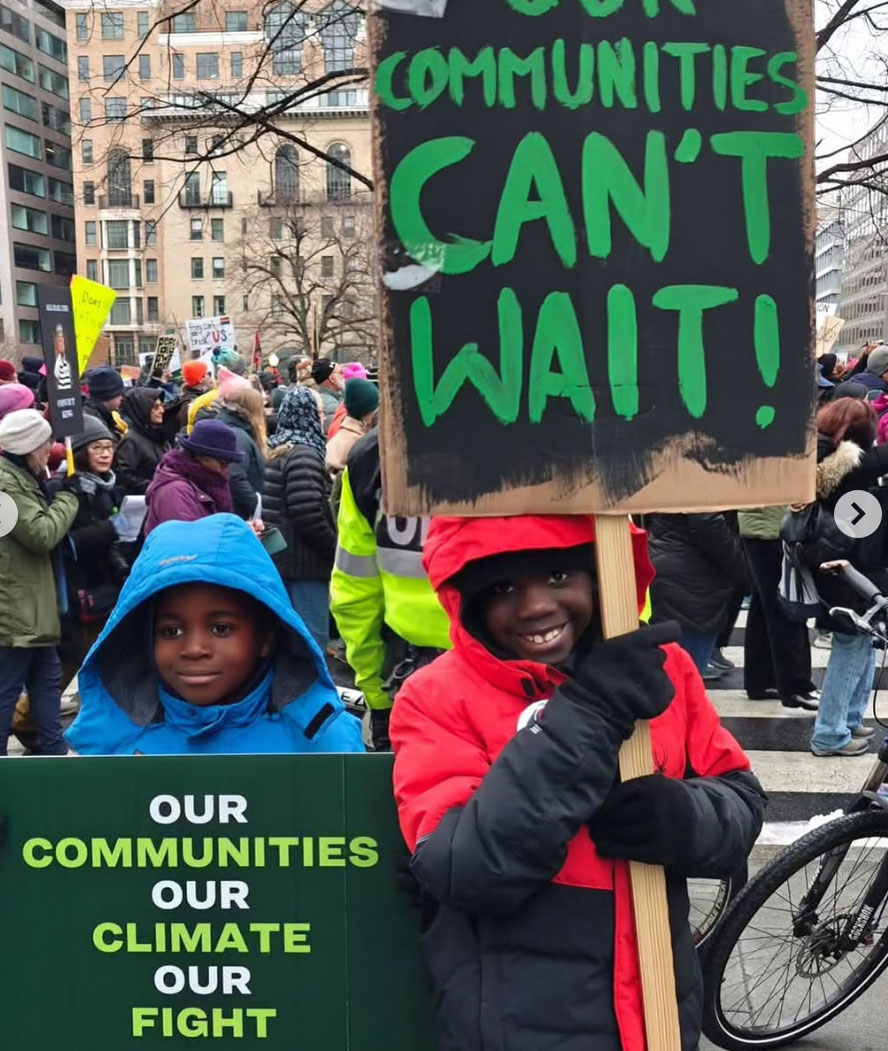
Campaign planning is a dynamic process focused on achieving specific goals and influencing decision-makers. A successful campaign relies on a clear strategy that drives meaningful outcomes. A written campaign plan is essential, detailing tactics, timelines, responsibilities, and goals to keep the team aligned. This iterative process involves continuous engagement from key stakeholders volunteers, staff, and partners whose input refines the plan and maintains its relevance throughout its lifecycle.
How Can the Field Organizing Capacity Team Support Chapters in Campaign Planning and Strategy? Let us help you develop a compelling strategy using the right tools. We can work with you to ensure your goals align with your community's needs. Reach out for support on power analysis, and we'll discuss the four levels of power with your team. Additionally, we can explain community mapping and assist you in facilitating a session on this topic. Together, we can create a tactical plan that builds your chapter's capacity and drives your campaign forward.
Resource Library

The document outlines four levels of power. These levels illustrate how individuals and groups can engage in advocacy and systemic change.

In the context of community organising, a Power Analysis is a toolthat helps us begin to understand where power currently sitswithin a community.

An interconnected web of the key strategies and tactics that have inspired people-powered victories & upended the status quo.
Tool from the Midwest Academy, that provides a focal point for a group campaign planning process. It poses the necessary questions in a logical order and moves people through the planning process step by step.

Tool guides decision-making, campaign planning and coalition-building by mapping out relationships of power and leverage. Identifies key targets, secondary influencers, and public audiences, helping to strategically focus efforts on those with the most influence to achieve campaign goals.

Develop a Community Map to identify community leaders and organizations that represent the diversity within your community.
Interactive exercises that you can do with your group or team. These are great ways to learn about the community where you are organizing and can be an opportunity for local community members to share their experiences.
Document provides a checklist for planning and executing campaign events, covering goals, logistics, and budgeting, and highlights the importance of using events strategically as campaign tactics.


This project plan template helps nonprofit leaders and project managers break down complex projects into manageable steps—defining who will do what, by when, while embedding equity and inclusion into the process.
Outlines the actions required to advance a campaign goal, providing detailed timelines for each step.
Explanation of how to plan and sequence campaign tactics that apply pressure, build power, and develop leaders, ensuring they align with the overall campaign strategy to achieve goals.
Comprehensive guide on canvassing and door-knocking for campaigners, offering tools, resources, and best practices for effective voter engagement.

Watch a detailed explanation of power and social change provided by the Harvard Kennedy School.
Outlines how a group can leverage its resources to influence decision-makers, using strategic actions to shift power dynamics and achieve specific goals.
Guide for mapping a community and its issues, focusing on understanding local dynamics, potential allies, and relevant tensions to inform organizing and outreach strategies.

Use this worksheet to generate Specific, Measurable, Achievable, Relevant, Time-bound, Inclusive, and Equitable goals. They ensure that objectives are clear, trackable, attainable, relevant to the community, set within a timeline, and consider inclusivity and fairness.