Power Building
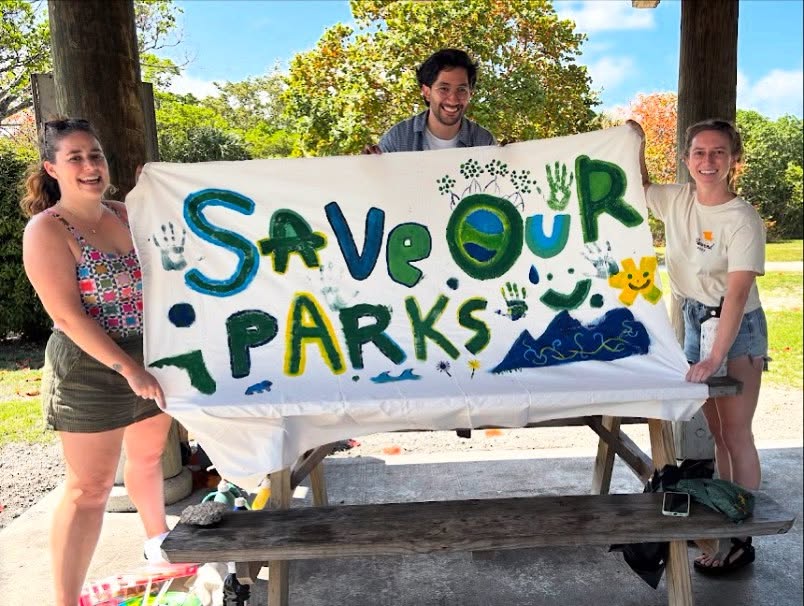
Effective organizing starts with people, not just issues. Power building involves recognizing who holds influence and shifting power dynamics within the community. By leveraging local resources—people, relationships, and knowledge—we can drive meaningful change. Transforming communities into movements enables them to convert shared values into collective action, creating lasting impact.
How can our team support your Chapter in powerbuilding? We can help you develop effective volunteer engagement plans, focusing on recruitment, engagement, and retention of volunteers, including leadership ladders. Together, we can review these resources, address any questions, and discuss how to leverage them to build power in your chapter.
Resource Library

This tool leads partnerships through the core principles of emergent learning, including how to use framing questions to focus learning,


Chart compares different decision-making structures, outlining their pros and cons for group dynamics and decision outcomes.

Empathy maps help you think about and make decisions relating to what a new volunteer might be experiencing as they first interact with the organization.

An in-depth guide by Seeds for Change about facilitating meetings and how to make them more effective, inclusive and enjoyable.

Professor Marshall Ganz shares the fundamentals of why structure matters and how to build the leadership structure starting with building your team.

Hustle is a tool used by the Sierra Club to send text messages to reach members and constituents. This is a sample for a Hustle Script.

Engagement strategy that allows volunteers to progressively increase their participation and leadership, fostering deeper involvement and long-term commitment.

The MOCHA framework is a tool for defining clear roles and responsibilities on projects.

Learn how to run a one on one meeting with these tips & best practices from the Leading Change Network and the New Organizing Institute based on the work of Marshall Ganz.

P.O.P. stands for Purpose, Outcomes, and Process. It is a tool that will save you time, energy, and possibly heartache.

Metrics for assessing the Sierra Club's effectiveness in building movement power and developing its base, focusing on recruitment, leadership, and partnerships. It includes stages for data collection and analysis to improve organizational impact.
Outline of an initial team meeting agenda focusing on relationship-building, trust, and clarity. It includes exercises for personal introductions, establishing team purpose and norms, and setting operating procedures.

Training on assessing the benefits and challenges of working in teams versus individually, identifying the necessary structure and roles for a campaign team, developing a team charge, and analyzing practices to improve team effectiveness.
Guide to evaluate team purpose, design, effectiveness, and tasks, with reflection to enhance team function.
Strategies for mobilizing supporters, focusing on direct and indirect outreach methods, including guidelines for setting goals and engaging different types of participants.

Want to create an online portal for volunteer recruitment? See this page form the Idaho Sierra Club Chapter as an example of a Volunteer with Us page.
The Ladder of Engagement helps you cultivate supporters of your campaign by consciously leading them through a set of actions. This set of actions (up the ladder) supports people in taking increasingly challenging actions, which empowers them to take ownership and become leaders.