Let's Ask City Council to Reform the City's Energy Policy
CPS Energy (CPSE) has bought six natural gas-fired power plants over the last two years for over $2 billion, in part to supply the numerous new data centers invited into the Bexar County area. But our public policy should require these data centers to provide most or all of their own renewable energy, especially solar and battery storage, and should allow very limited use of water.
CPSE’s current business model is to sell fossil fuels (natural gas and coal) to support its owner, the City of San Antonio. The City receives 14% of your gross energy bill. San Antonio City Council has the authority under the City Charter and ordinances to determine the major policies of its wholly-owned utility. Yet it does not exercise that authority and allows CPSE to dictate energy policy with minimal public input.
The City’s Climate Action and Adaptation Plan requires a focus on reducing greenhouse gases. Wind, solar, and battery storage are cheaper and faster to develop than natural gas, coal, or nuclear. CPSE incentives to customers can help to distribute solar power and battery storage to private residences and businesses, reducing the need for new power plants. The fuel for renewable energy is also endlessly free and does not pollute our children’s lungs. That is the direction CPSE and the City should be moving in, not cashing in on the last vestiges of the fossil fuel age.
by Darby Riley, Alamo Group Political Chair and executive committee member
Annual Poetry Night in Defense of Nature
Our April 21st meeting features poetry readings by members of “Stone in the Stream/Roca en el Rio”, a group of South Texas writers and artists celebrating our natural world.
Tuesday, April 21st
6:00 pm
Meeting schedule
| Informal get-to-know-you | 6:00 pm to 6:15 pm |
| Announcements | 6:15 pm to 6:30 pm |
| Featured program | 6:30 pm to 8:00 pm |
| Discussion | 7:30 to 8:00 pm |
Venue
This is an in-person only meeting at:
William R. Sinkin Eco Centro, 1802 North Main Avenue
Map
Program topic
Our April meeting is an evening of eco-poetry, with creative messages of care for the earth and all species who live here. Please join us to meet poets and writers from “Stone in the Stream/Roca en el Rio”, as they share their environmentally themed work in defense of nature, celebrating and advocating for our natural world.
About our presenters
“Stone in the Stream/Roca en el Rio” was co-founded in 2015 by poets Jim LaVilla-Havelin and Mobi Warren as a collective of writers and visual artists focused on environmental and climate concerns. The group meets on a quarterly basis to share creative work and opportunities to engage with the wider community. Members are committed to creating and sharing work that centers on nature through contemplative, artistic, and activist modes. “Stone in Stream” organizes and participates in several readings a year including the annual Words for Birds at Mitchell Lake Audubon Center.
For more information visit the Stone in the Stream/Roca en el Rio Facebook page.
The Alamo Group of the Sierra Club holds its general meetings the 3rd Tuesday of most months. They're always free and open to the public.
The Importance of Dark Skies; Effects of Our Light Pollution, and Pictures from an Observatory at a Dark Sky Site
From the Wikipedia article on Light Pollution:
Light pollution occurs when artificial light is used in a poor or excessive way, especially at night, causing negative effects in the environment and the view of the night sky. Light pollution doesn't just negatively affect human health, but also the plants and animals that live within the wide surrounding regions affected by artificial lighting. ... About 83% of people, including 99% of Europeans and Americans, live under light-polluted skies that are more than 10% brighter than natural darkness. 80% of North Americans cannot see the Milky Way galaxy.
And a bunch of sections about specifics including Public Health Impact, Ecological Impact, Reduction, Improving Lighting Fixtures, Adjusting Types of Light Sources and Re-designing Lighting Plans.
Dark Sky International (formerly International Dark Sky Association) has 90+ chapters around the world, with official dark sky sites in 35 states and DC. From the Texas page (DarkSky Texas organization) we can get to the Texas Dark Sky Places list which includes near San Antonio: Enchanted Rock SNA, South Llano River SP, City of Fredricksburg, Horseshoe Bay and Wimberley Valley.
And the Greater Big Bend International Dark Sky Reserve, which is 15,000 square miles, including a vast area in west Texas and northern Coahuila, Mexico. The latter reserve includes as small bits Big Bend NP, Big Bend Ranch SP and Black Gap WMA. Here is the reserve's own website with an area map.
There is an extensive article about the Greater Big Bend reserve, "the largest international dark-sky reserve on Earth" at the The Nature Conservancy website (link), and also in their magazine issue #1, 2026. Lots of history, stories and pictures.
U Bar U Camp and Retreat Center (UBarU) was designated a dark sky site, the first private one, in 2015. Eighty miles northwest of San Antonio. The camp's page at Dark Sky International has basic info and pictures of the observatory. At the bottom there is a link for additional information about the camp and a home page link. The Wikipedia page linked above has a section about Effect on Astronomy.
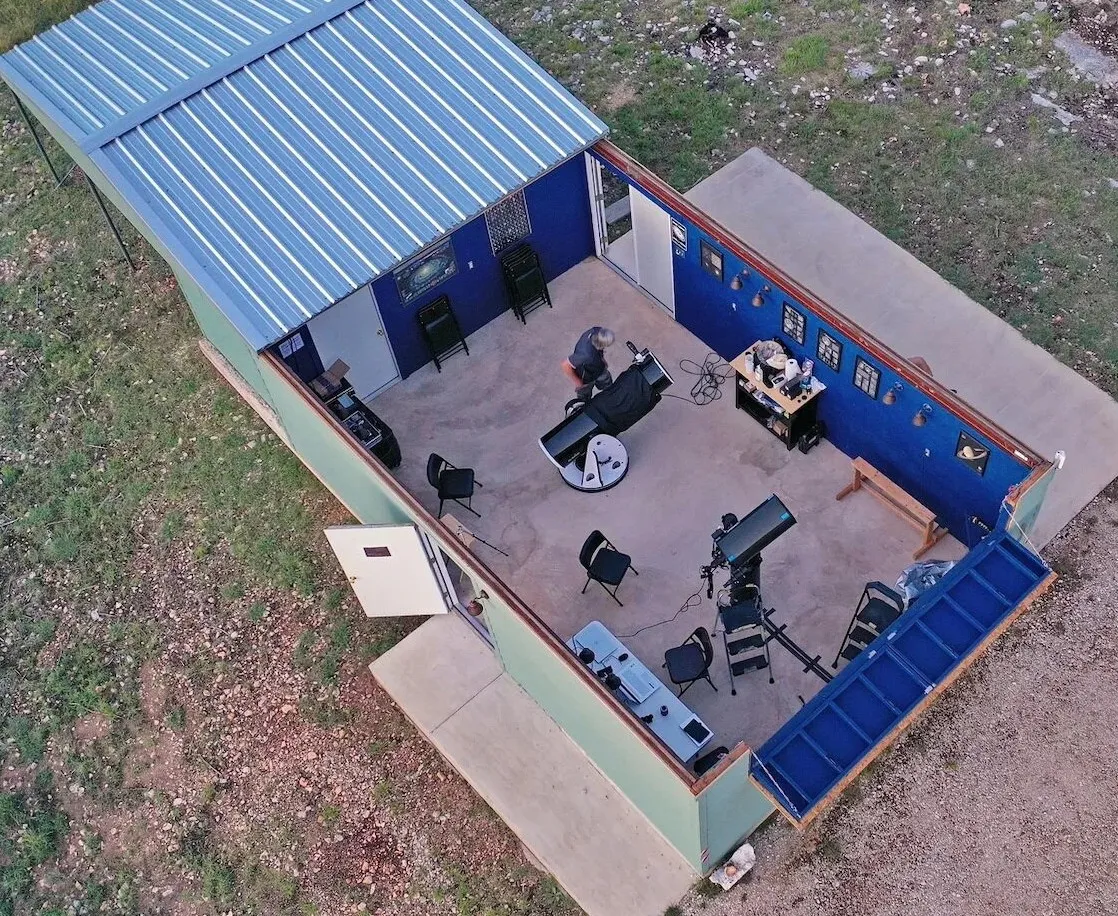
The UBarU observatory
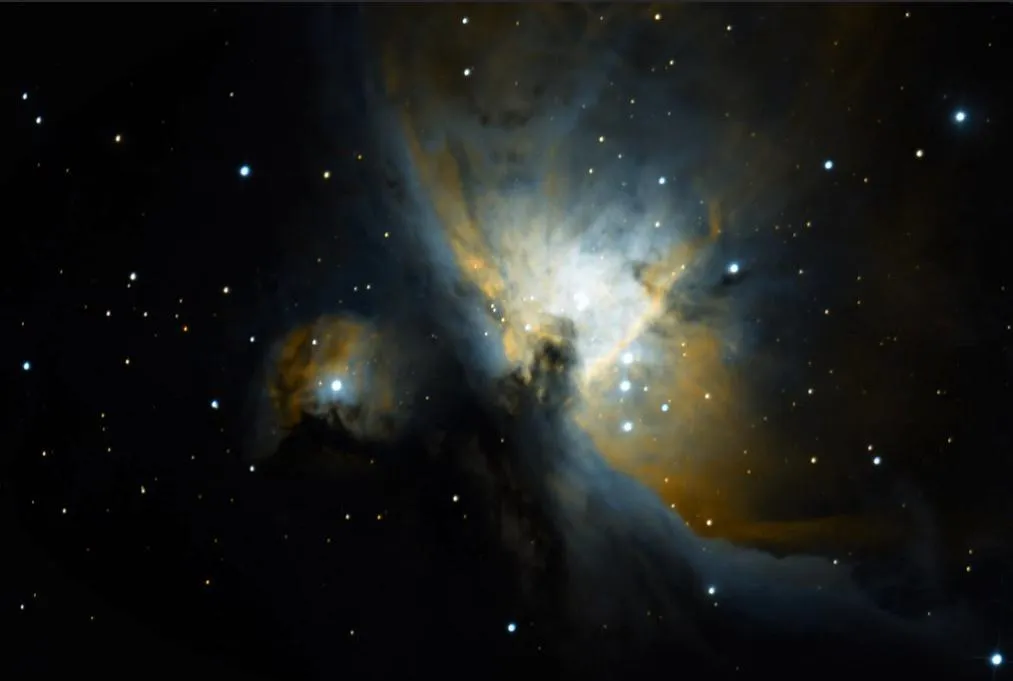
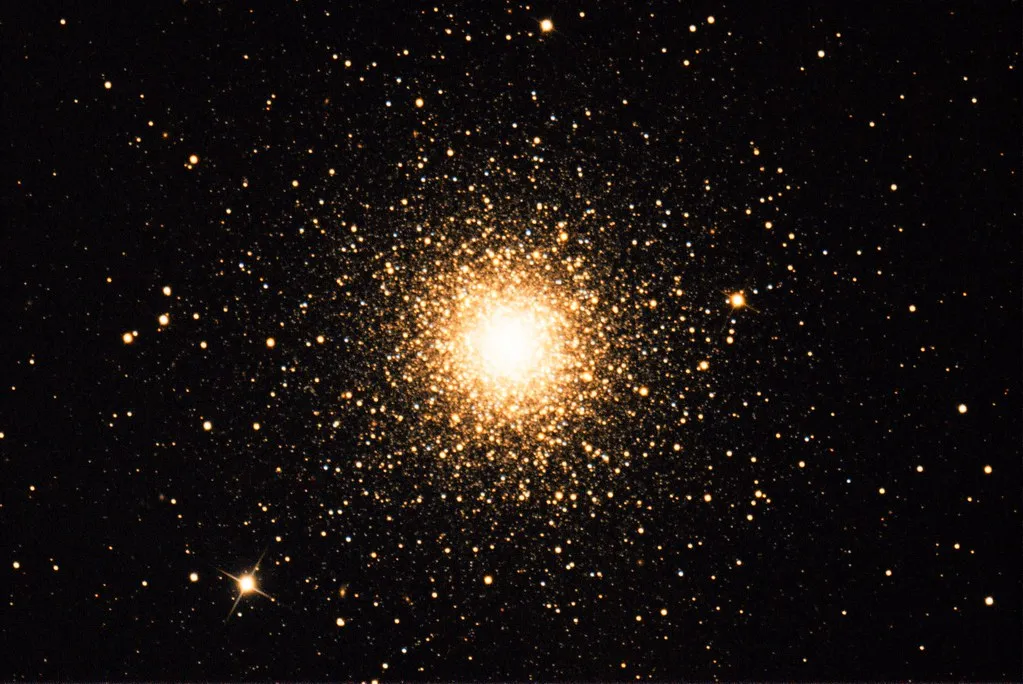
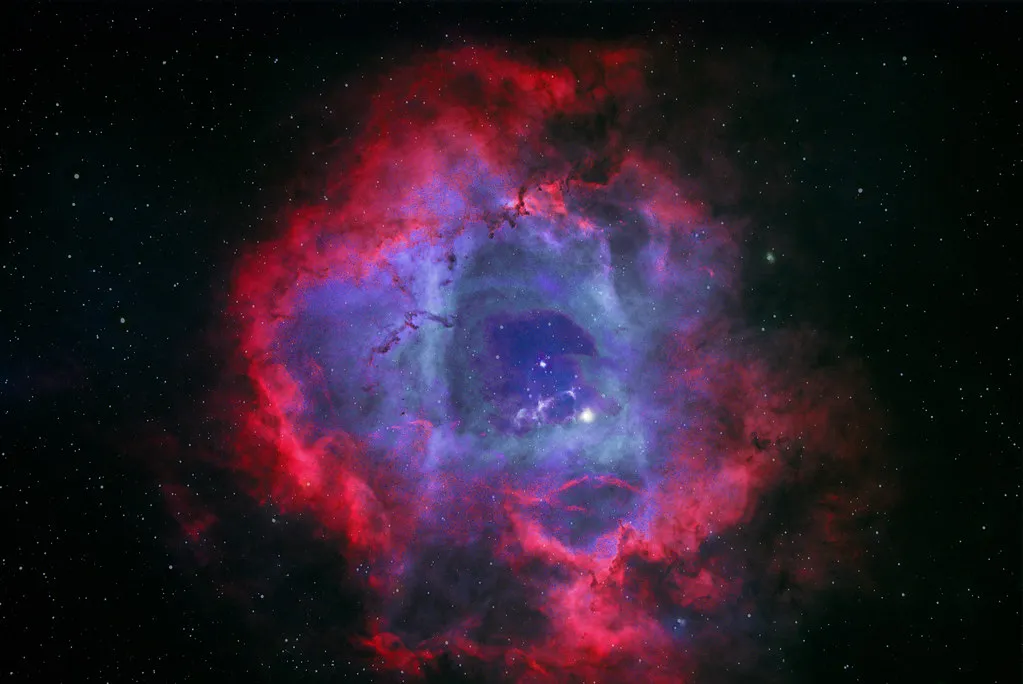
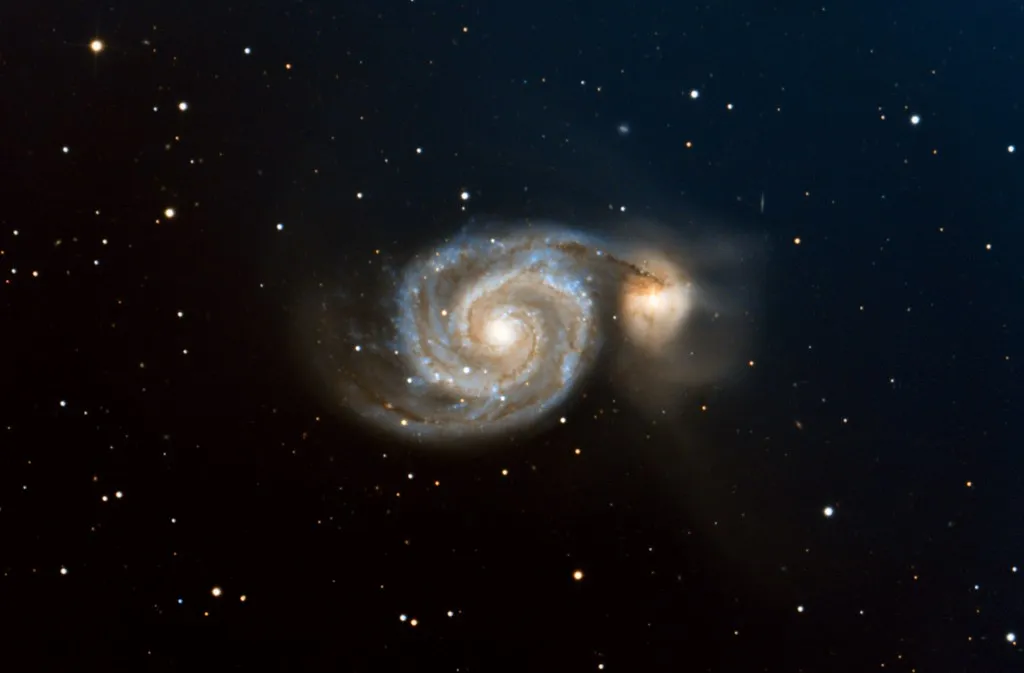
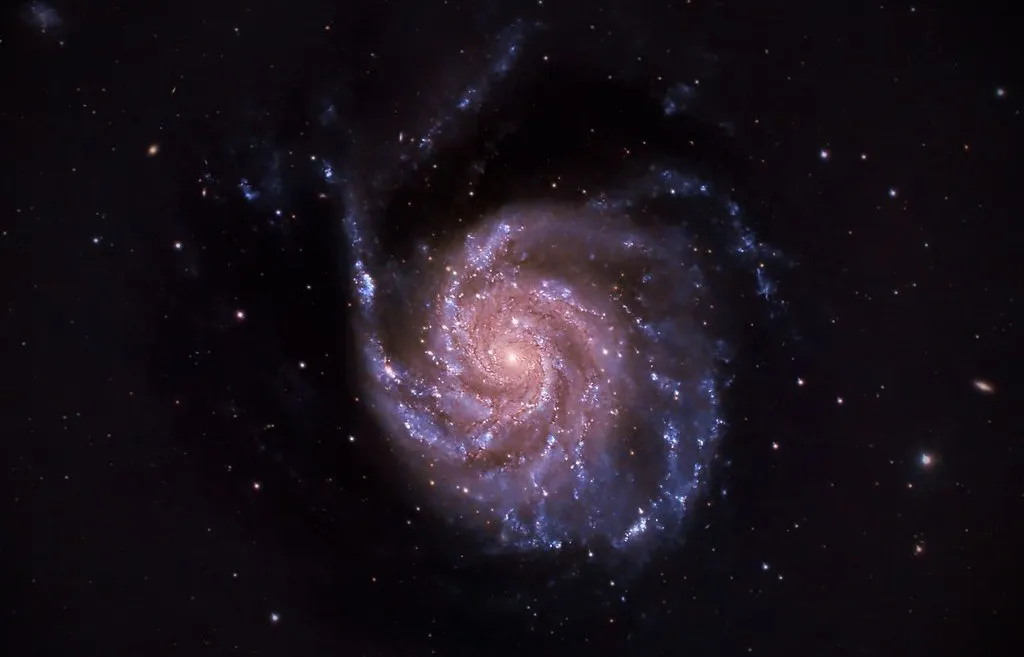
The picture below is of the UBarU observatory, which got started in 2017 with a grant and involvement of some serious amateur astronomers. The following five pictures were taken with the telescope lower right in the observatory picture; that is a CDK (Corrected Dall-Kirkham) telescope. That link is to a Baader Planetarium page explaining the design and performance.
The captions of the telescope pictures provide the name of each object and are links to the excellent Wikipedia articles for each one. Credit for these pictures goes to Greg Bellman; here is a link to his Flickr.com page where they came from with a bunch more.
by Kevin Hartley, Sierra Club Life Member
The Impacts of Nature on Human Physical, Mental and Spiritual Wellbeing
In 1877, John Muir, the founder of the Sierra Club, once noted, “In every walk with Nature one receives far more than they seek.” People that join the Sierra Club now probably already realize that spending time in nature offers powerful benefits for physical, mental, and spiritual well-being—an important reminder for communities like San Antonio working to expand access to green space.
Physically, time outdoors is linked to improved health outcomes, including lower blood pressure, better sleep, stronger immune function, and reduced risk of chronic disease. These benefits are partly due to increased physical activity and reduced physiological stress responses in natural settings. Even modest exposure: about two hours per week, has been associated with significantly better overall health and well-being
Mentally, nature acts as a powerful stress reliever. Studies show that exposure to green space can reduce anxiety, depression, and mental fatigue while improving mood, memory, and concentration. Remarkably, measurable reductions in stress can occur within minutes of being outdoors. Natural environments also lower cortisol levels and help regulate the nervous system, promoting resilience in the face of daily pressures.
Spiritually, nature fosters a sense of connection, meaning, and belonging. Researchers describe these as “intangible pathways” to well-being, including opportunities for reflection, mindfulness, and a deeper sense of purpose. Whether walking along a trail or sitting beneath a tree, time in nature reconnects us to something larger than ourselves which is an essential component of holistic health.
Encouraging equitable access to nature is not just environmental policy: it is a public health imperative.
by Bill Barker, Alamo Group executive committee member
From the e-Mailbag
From time-to-time, the Alamo Group receives messages concerning local environmental issues. If you have thoughts on any of these issues, send us a message and we'll forward it to the writer. The views and opinions expressed here are those of the individual authors and do not represent the views or opinions of the Alamo Group or its members.
Good to know
- Check out Canary Media's website (Clean energy journalism for a cooler tomorrow) for the latest (often inspiring) news nationally and globally on the transition to clean energy.
- SB1202 is a new Texas law that provides for expedited permitting of "home backup power installations", including solar panels and battery storage, for residential properties by using a third party inspector. This will eliminate the long delays often experienced in getting local approval of these installations.
submitted by Darby R.
Outings: The Call of the Wild
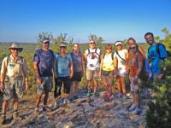
Visit the Alamo Sierra Club Outings page on Meetup for detailed information about all of our upcoming Sierra Club Outings.
The Alamo Sierran Newsletter
Richard Alles, Editor
Published by the Alamo Group of the Sierra Club.
The Alamo Group is one of 13 regional groups within the Lone Star Chapter of the Sierra Club.
Changed your contact information?
If you're not sure whether the Sierra Club has your current email address, send an email to Member Services with your name and address and/or member ID (see Locating Your Member ID) so they can add your email address to your member record.
Have you moved? Let us know by sending your old address, your new address and your member ID to: address.changes@sierraclub.org.
Go online for the latest news and events
 |  |