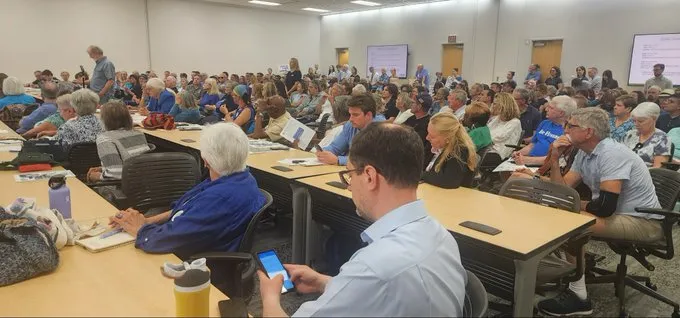
Want to know how things change for the benefit of most people? People pack rooms.
In the last few weeks we’ve had packed houses for several important events, including a rally in Asheville to protect the “roadless rule” in national forests and a public hearing on water pollution rules in Wilmington.
Two events, two different issues, on opposite sides of the state. They’re great examples not only of the power that people have, but the importance of organizing.
Sierra Club North Carolina had a team at both events – and a lot of other recent events, too, but these two are instructive about how and why we do what we do. We worked with partner organizations to spread the word. We reached out ahead of time to tell people: “This is important. Please show up.”
Put another way: Stuff like this is why we keep emailing!
And you showed up. Big time. Our organizing team can feel your energy.
“We’re seeing how much people care about these issues,” NC Sierra Club State Grassroots Manager Michal Brzezicki said. “But if we expect our communities to just magically appear where we’re most needed, then we’re going to be let down. People don’t just show up by accident, it’s a conscious choice by the people who care.”
They also don’t show up without caring! Our volunteers have been AWESOME this entire year.
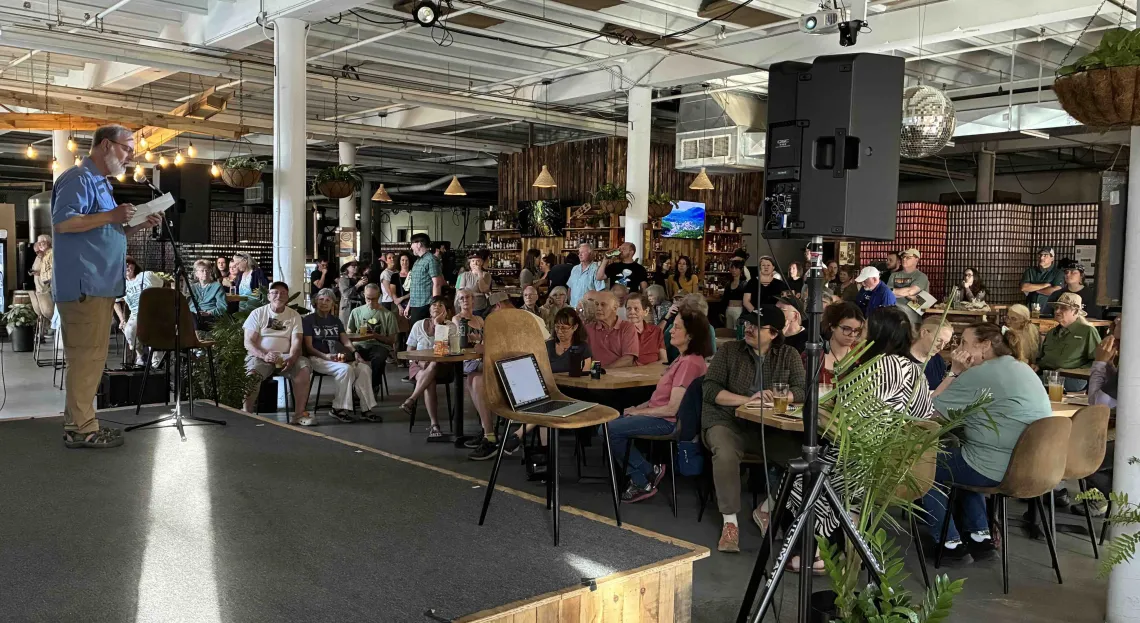
The roadless rule rally took a month of planning with multiple partner groups and volunteers. The Trump administration wants to open national forests like the Croatan, Uwharrie, Pisgah and Nantahala to logging and construction, and they’re trying to do so without holding a single official public hearing.
So NC Sierra Club helped organize one to collect comments to submit to the U.S. Forest Service. That’s important work - but it only matters when people engage with it.
“Seeing all of the passionate speakers, the number of written comments, and the interest in the important issue really reflected the hard work and coordination efforts all of these groups went through when planning began on this event,” Grassroots Organizer MaryAnn Sanders said.
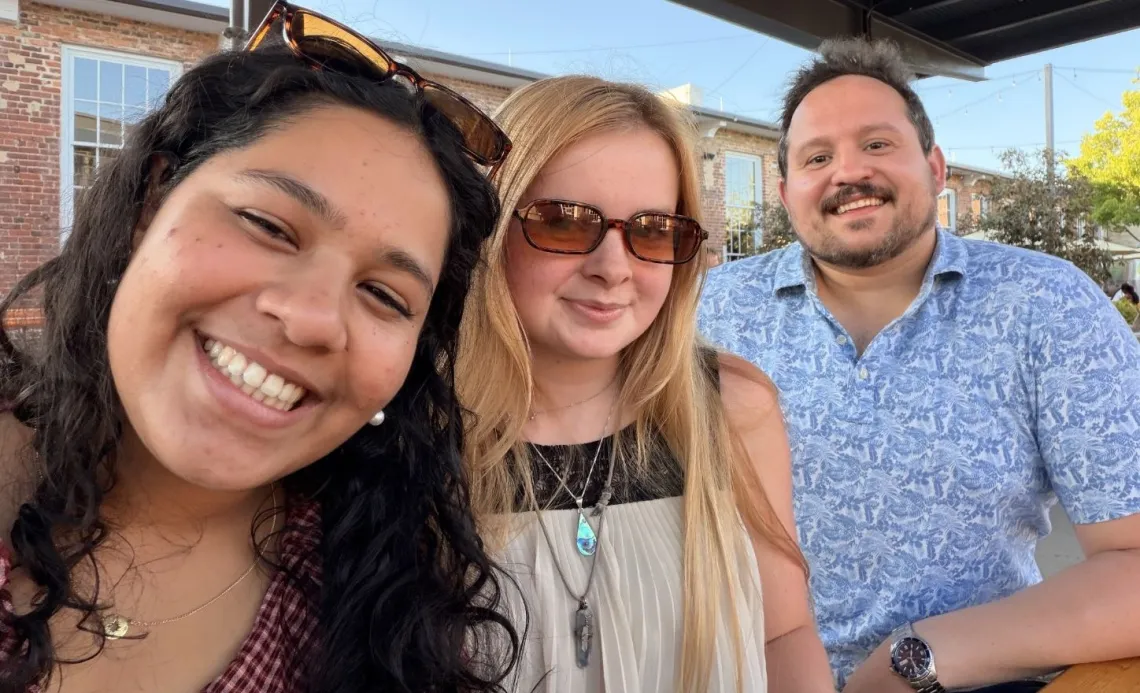
Our Chapter’s Digital Organizer, Neha Kar, handled digital promotion and technical run-through during the Roadless Rule Townhall. Social Media, Digital Ads, transcribing live comments, and handling visual presentation to ensure the public was aware and heard on this critical issue.
"My favorite part of this job is in how I can support the important work we do. I am so honored to have been such an integral part of this event, ensuring that the people's voices will be heard. A lot of our volunteers have been doing this work for a long time, and I want to appreciate and champion that work however I can."
In Wilmington, a state hearing on PFAS contamination drew a standing-room-only crowd of people who learned nine years ago that Chemours was discharging chemicals into their water supply upstream. They’ve been waiting on answers from their state government, only to see new rules proposed this year that would let the industry police itself.
NC Sierra Club Deputy Director Erin Carey is one of those people.
“I’ve lived in Wilmington for more than 30 years, and like many who call this region home, I will never forget the day I learned that our water had been willfully contaminated,” she said during the hearing.
“These proposed rules are weak,” Carey said. “They are toothless. And they set a dangerous precedent.”
The audience applauded. One after another, residents had their say. Dozens of volunteers from Cape Fear Sierra Club delivered powerful statements. They are leading this fight.
“I was very moved,” said Brzezicki, who travelled to Wilmington to watch the hearing and meet with volunteers. “I’ve done this kind of work for a while … but to see that many people who are absolutely just getting the shortest end of the stick on this issue speak out – that made it feel like some of the most important work I’ve ever done.”
We were going to shout out individual names here - list some of the Sierra Club members who spoke at these events, who made phone calls, who forwarded emails and got their neighbors involved. But when the list hit 20 names, plus “20-to-30 people from the Cape Fear Sierra Club,” we had to reassess.
Let’s keep having that problem. Let’s keep being too many to count.