You may have read about the Bay Area Air District’s (BAAD) proposed Rule 9-6 which, if adopted, will phase out the sale of nitric oxide-emitting water heaters, in favor of cleaner alternatives. (Nitric oxide is a colorless gas produced mainly during fuel combustion and is responsible for more air pollution than every passenger car in the region combined!).
The following explains why the Napa Sierra Club Group supports Rule 9-6, addresses common concerns about affordability, and reflects on the broader responsibility we all share to care for our common home—the Earth.
After reading the article, we hope you’ll express your support for the Rule by submitting a public comment about its importance here, before the August 13 at 6pm deadline.
Overall, Rule 9-6 has six key objectives:
Protecting public health
Reduce pollution from millions of small sources (water heaters)
Phase in the transition over time
Include flexibility and exemptions
Encourage more efficient technology with long-term savings through lower energy bills
Move our region toward a cleaner and more sustainable energy future
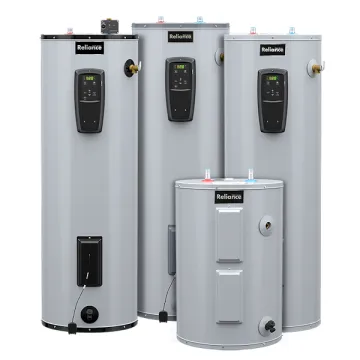
Rule 9-6 does not require anyone to replace an existing working water heater. You can continue using your current one until you need a new one. So, it only applies when a new water heater is purchased in the future. And Rule 9-6 does not apply to gas stoves, ovens, dryers, or other household appliances.
Rule 9-6 also includes provisions to lessen the one-time initial impact of converting from gas to electric water heaters, including:
Targeted flexibility for low-income households
Protections for vulnerable households and certain small businesses
Flexibility for electrical and space constraints
Emergency replacement financing pathways
State and local rebate programs and financing, and
Direct-install programs that will significantly reduce upfront costs.

One question that comes up frequently is affordability which ignores the cost of inaction, including health impacts such as heart disease, asthma, air pollution, and ongoing rising fuel expenses.
Switching to electric water heaters will also reduce long-term operating costs and protects against volatile gas prices. At the same time, focusing only on upfront costs ignores utility bill savings (electricity is cheaper than gas) and reduced health expenses.
The irony of Rule 9-6 is that the costs for replacing gas heaters would be incurred anyway, since gas appliances require replacement over time. One gas-related cost that should be highlighted in this discussion is pipeline infrastructure. Over time, replacing gas pipelines has increased from $3 million to $5 million per mile.
Utility companies, including PG&E, recover this cost by raising rates. Today, about 60% of your gas bill goes toward pipeline, operations and shareholder returns and not the actual cost of the gas itself. Californians are funding a pipeline empire that went from $27 billion to a $57 billion dollar asset. At the same time, demand for gas is falling while prices are rising.
In summary, Rule 9-6 protects public health now and for the future, reduces pollution and is affordable for most consumers and will lower long-term energy costs. The bottom line of Rule 9-6 is that affordable clean technology is now available.
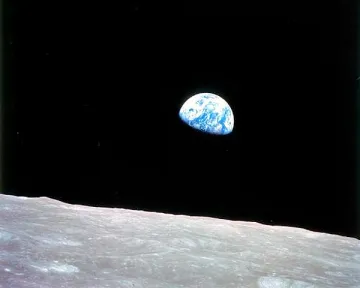
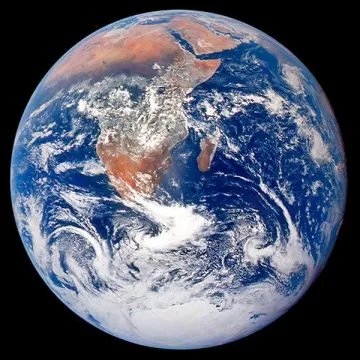
My approach to this subject is at the macro level, not only for Rule 9-6 but for all environmental legislation we are drafting now and, in the future, which will dramatically impact future generations, and our entire planet. When I was a kid, I loved everything about the romance of space travel and NASA (cowboys of the old west), the astronauts, their bravery, flying skills, and science backgrounds. As I got older, I began to appreciate astronauts for their contribution to a better understanding and appreciation of our fragile planet and its place in the universe.
When astronauts look back at earth from space, they often experience a life-changing shift in perspective known as the Overview Effect, realizing our planet is a fragile, unified, and a borderless home. I am sharing four quotes from astronauts regarding their experiences in space looking at earth, their observations are always thoughtful, beautiful, and moving.
“When I looked out the window, I didn’t see the economy. I didn’t see countries. I saw an iridescent biosphere teeming with life. I saw a world that we must take care of, it is our only home.” Ron Garan, International Space Station astronaut
“From space you see the beauty and fragility of our planet. It’s reminder that we all share this common home and that we need to take care of it.” Karen Nyberg, International Space Station astronaut
“The Oview Effect is a powerful reminder of the importance of protecting our planet. We need to work together to preserve our planet’s future for generations to come. Kathyrn Sullivian, Space Shuttle astronaut
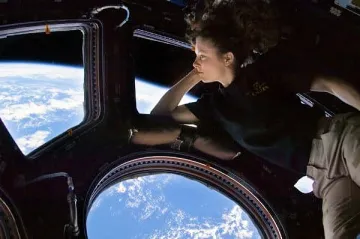
The astronauts all had a consistent theme, our planet is fragile, beautiful, and we need to take care of it, work together and it is our only home. Now is the time to act on these goals that impact us now and in the future.
What I am proposing is every piece of drafted legislation is for “The Greater Good,” we could have a box at the top of the proposed legislation that reads how does this article of legislation impact future generations positively or negatively. I am not naive when it comes to the complexity of conducting business, nor do I believe everything would change overnight, but one extra moment of thought regarding the consequences of our actions could make a difference in many cases.
The goal is not perfection but progress. This writer has managed multi-million-dollar companies with all the issues businesses need to address today regarding environmental regulation, taxes, insurance costs, health care, human resource challenges, immigration, profitability, and budgets.
What I am proposing is for everyone to take a moment and think and analyze what impact our legislative actions are going to have on future generations. Many laws and voters and politicians’ decisions unfortunately have all too often come down to a litany of financial reasons and personal interests first.

Maybe another way to approach this challenge is to think of proposed laws as a will. We go to incredible lengths to protect our loved ones' future after we pass by managing our personal assets, enabling us to bequeath our wealth to our next generation of relatives and kids to help secure and protect their future.
What If we approached our planet mindset as a valuable and rare asset, something to bequeath to the next generation? This attitude could be created with the same forethought, and caring long-term vision people do with their personal assets to family members. If we embraced this same methodology for our planet and all living creatures, we would have a healthier and more promising and sustainable future, and the world would be a better place to live in for all living creatures.
“Environmentalism isn’t a specialty; it’s part of being a human being.” Jonathan Safran Foer, American novelist