California is currently the staging ground for an unprecedented environmental rescue mission as conservationists
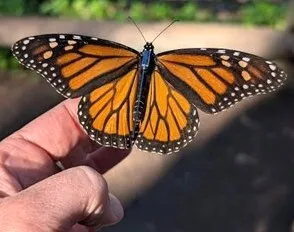
race to save the western monarch butterfly.
The Santa Barbara-Ventura Chapter is aware of the issue, notably in More Mesa, Santa Barbara, and recently in Ventura County, when a developer was fined for cutting down eucalyptus trees without a permit.
After the population plummeted by more than 99% between the 1980s and 2020, the River Partners organization has launched the largest coordinated habitat restoration project in the western United States. The initiative centers on a massive 15-million-plant goal, focusing on the Central Valley's riparian zones and agricultural lands.
By saturating these corridors with native milkweed—the monarch caterpillar's sole food source—and nectar-rich wildflowers, experts hope to stabilize a species that has teetered on the brink of extinction for decades.
Innovative partnerships are now transforming the state's infrastructure into biological lifelines through the Highway Wildling program. By collaborating with Caltrans and utility providers, restoration teams are converting miles of roadside strips and utility rights-of-way into essential migratory flight paths.
This landscape-scale effort gained significant federal backing in December 2024, when the U.S. Fish and Wildlife Service proposed designating nearly 4,400 acres across California as critical overwintering habitat. This combination of grassroots planting and federal protection represents a final, high-stakes stand to ensure the iconic orange-and-black butterfly remains a fixture of the American West.
“Pollinators are so important to our economy and our well-being,” said Angela Laws, an Endangered Species Biologist for the Xerces Society. “They’re important to agriculture, to natural ecosystems. Losing them would be devastating in so many ways. And one of the best ways we can protect these species is by respecting and restoring habitat.”