17 Empowering Earth Month Reads for Kids
Grounded in real science, these picture books will spark wonder—sans climate anxiety
Photo by Javier Zayas Photography/Getty Images
Since 2023, when Sierra began compiling picture books we love for Earth Month, the nature-focused kid-book canon has expanded dramatically. This year we reviewed nearly 50 recent releases designed to engage children with the natural world. The latest catalogs show publishers looking to distill eco-hot-button issues into simple prose and spotlight Earth’s lesser-known marvels. At the same time, the best books attend to what information kids can handle, and at which ages.
“Authors and publishers were often unaware of the research being done on kids’ climate anxiety—how to prevent it, how to mitigate it,” says Martha Meyer, an early learning assistant at Evanston Public Library in Illinois, which in 2021 founded the Blueberry Awards to spotlight children’s literature that inspires climate stewardship. “We’ve created an additional set of criteria to guide us toward books that spark wonder and provoke healthy action without creating fear, which tends to paralyze us.”
The books below don’t mince words or downplay climate impacts. They offer practical suggestions for addressing the problems they highlight, showing how adults are engaged in solutions rather than shifting responsibility onto children. Many encourage collective action over lone efforts and present climate science in developmentally appropriate, truthful ways.
Visually arresting, these titles can remind kids—and their grown-ups—that we, too, are integral parts of nature.
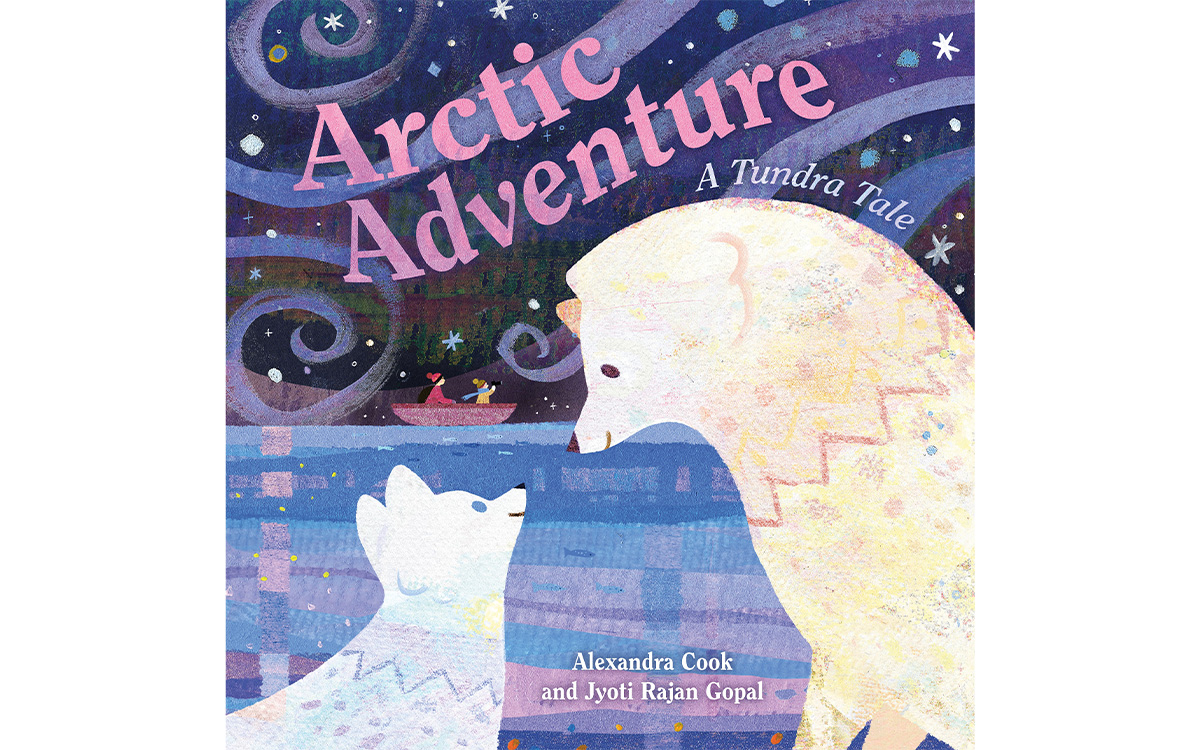
Arctic Adventure: A Tundra Tale by Alexandra Cook and Jyoti Rajan Gopal
Feiwel and Friends, ages 3–6
This breathtaking read takes young readers on parallel journeys—with a pair of arctic foxes and a human mother and child—through the majestic Arctic landscape. Its lyrical prose, paired with lush illustration, creates an atmospheric soundscape that conveys the harsh realities of its wild setting. Detailed yet kid-friendly back matter discusses the science of the fragile Arctic, and tips for how readers can engage in climate issues.
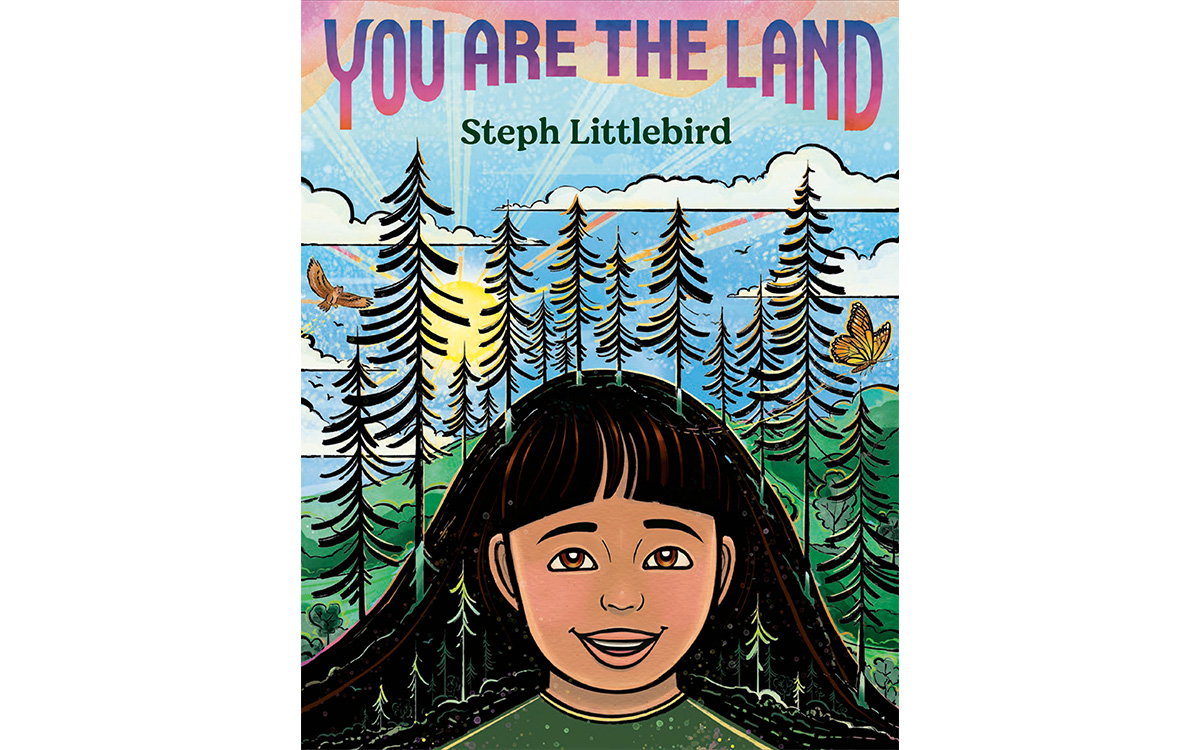
You Are the Land by Steph Littlebird
Nancy Paulsen Books, ages 3–7
Debut author-artist Steph Littlebird’s Indigenous child protagonist comes to understand herself both through her ancestral lineage and the natural world—both of which are one and the same. Her grandmother shows that she’s strong like the ancient cedars; her little sister teaches her to love fiercely, like a mama bear. Her mother, whose love “protects like an evergreen canopy,” shares that the hills are her relatives and the Earth, mother of us all. The result is an exquisitely stirring celebration of our interconnectedness, and of the infinite sources of beauty and resilience from which we can all draw. You Are the Land is a joyful and deceptively simple ode to the love and power of belonging.
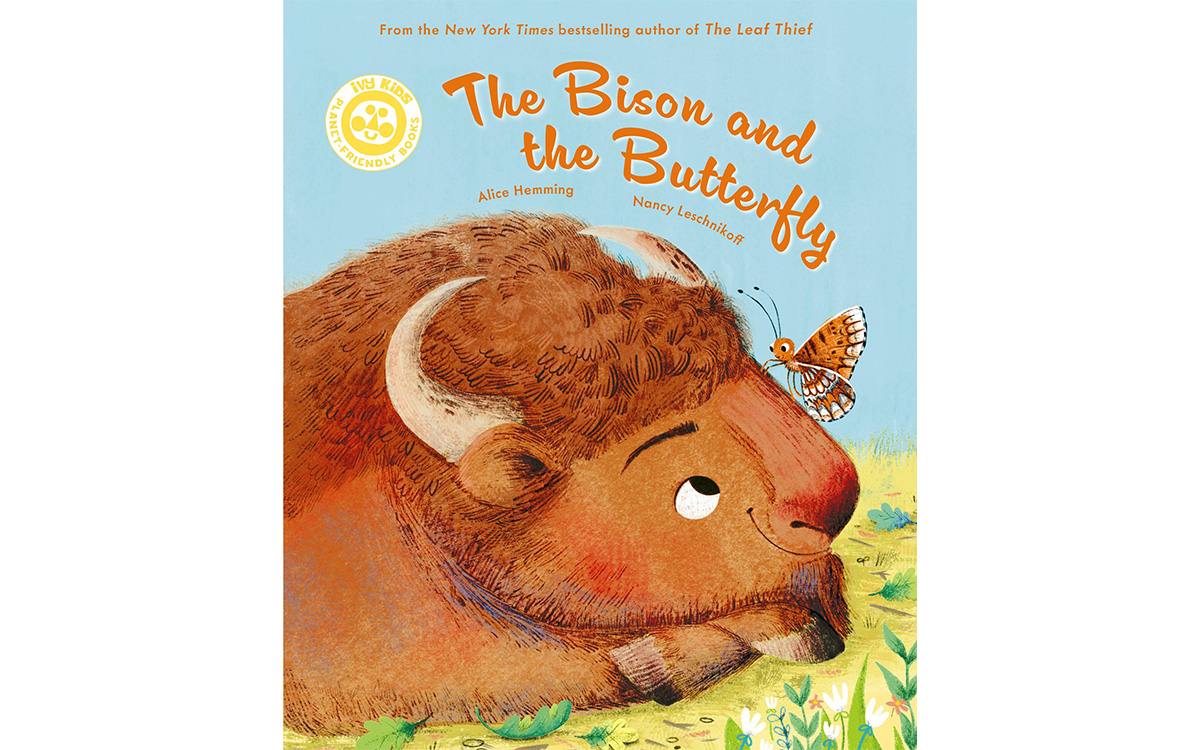
The Bison and the Butterfly by Alice Hemming
Quarto, ages 3–7
Produced in collaboration with Kent Wildlife Trust’s bison rewilding project, this is the rare eco kid book that serves up such a compelling and fun story readers may not even realize they’re boning up on rewilding science. It stars Bison—hairy, clumsy, and lonely—on her quest through the forest to find friends willing to love her and her big, shaggy ways. Via enchanting illustrations and heartwarming prose, this book shows that, whether within our ecosystems or preschool classrooms, we’re each worthy of friendship and possessed of unique purpose.
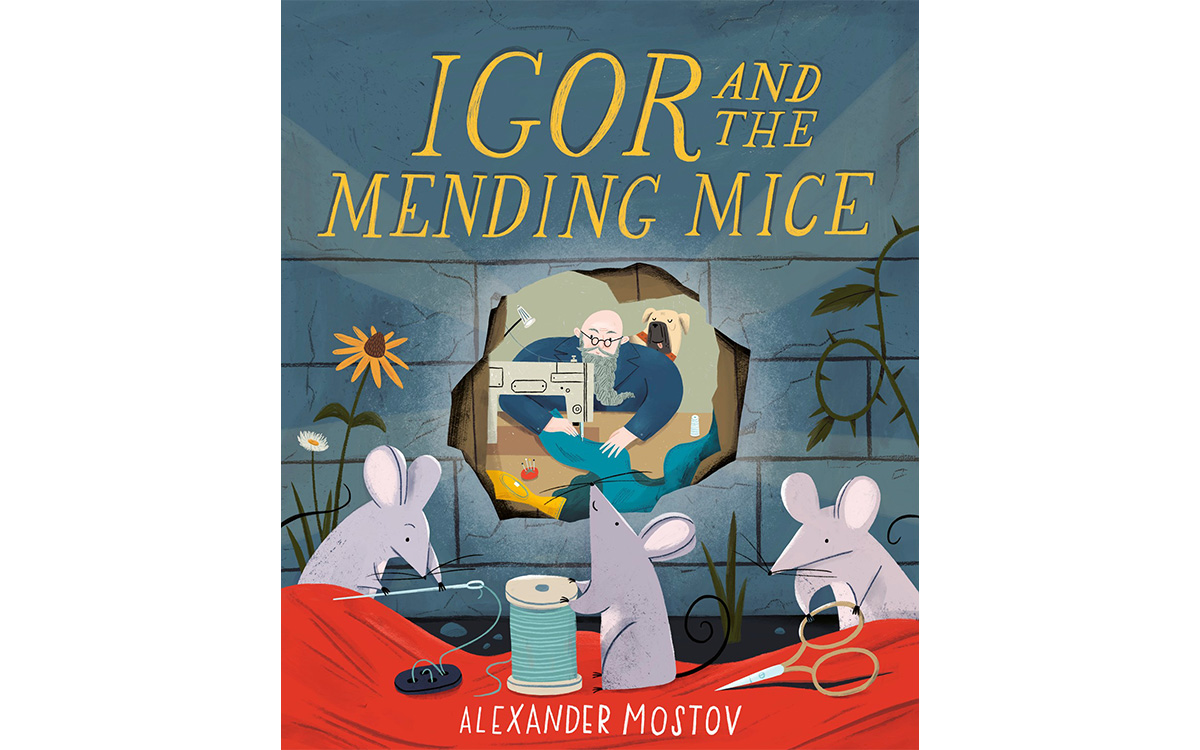
Igor and the Mending Mice by Alexander Mostov
Quarto, ages 3–6
Set in an old-world European town where fabulous fashion is prized above all, this beguilingly illustrated, laugh-out-loud story stars Igor, a fast-fashion factory boss, and the family of mice in the wall who love to mend damaged clothes and thwart capitalistic hubris. Its themes of textile waste, sustainable fashion, and the joy of reloving old duds are likely to actually sink in too. First and foremost a fun and compelling story, this book goes down more like mac-and-cheese than eco-broccoli.
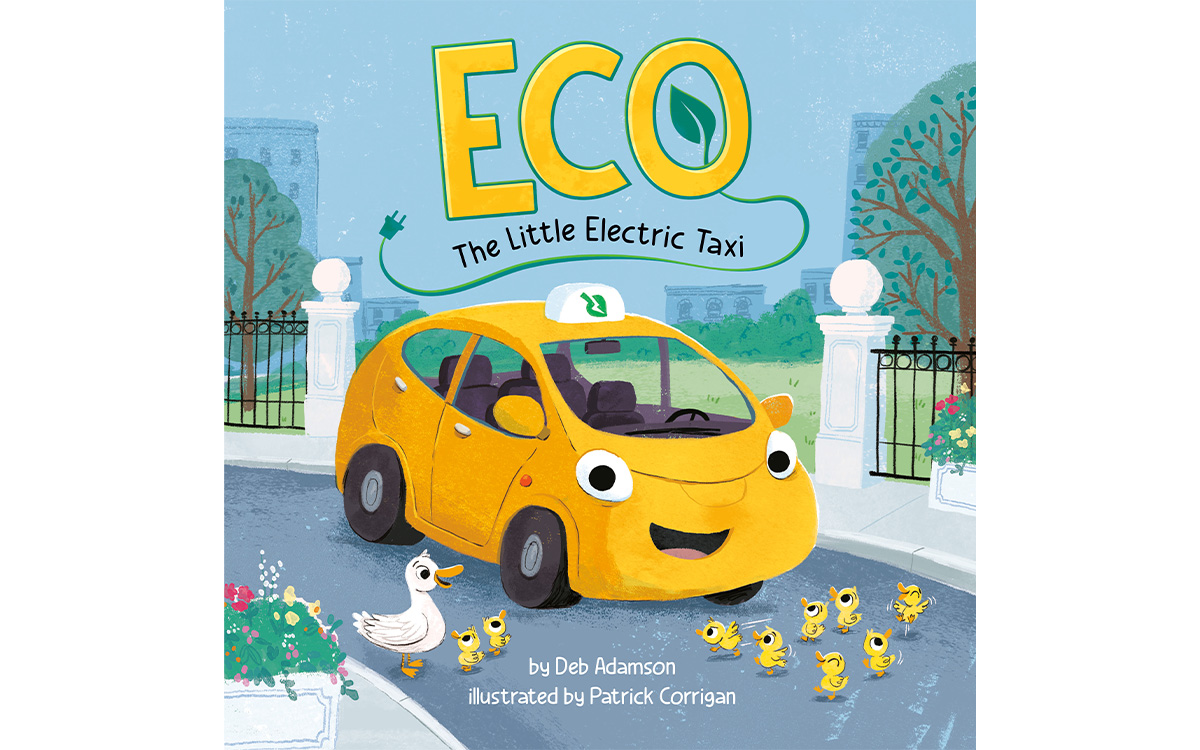
Eco: The Little Electric Taxi by Deb Adamson
Penguin Workshop, ages 4–7
Fact: Kids love car books. Enter Eco, an e-taxi who, along with Charlie, his driver, helps navigate traffic jams, guides stranded ducks off of busy roads, and piques curiosity about renewable-energy-powered transportation. With rhyming text and a jaunty aesthetic, Eco is perfect for young fans of the Little Blue Truck series and Goodnight Construction Site, and the legions of tykes just enchanted by vehicles.
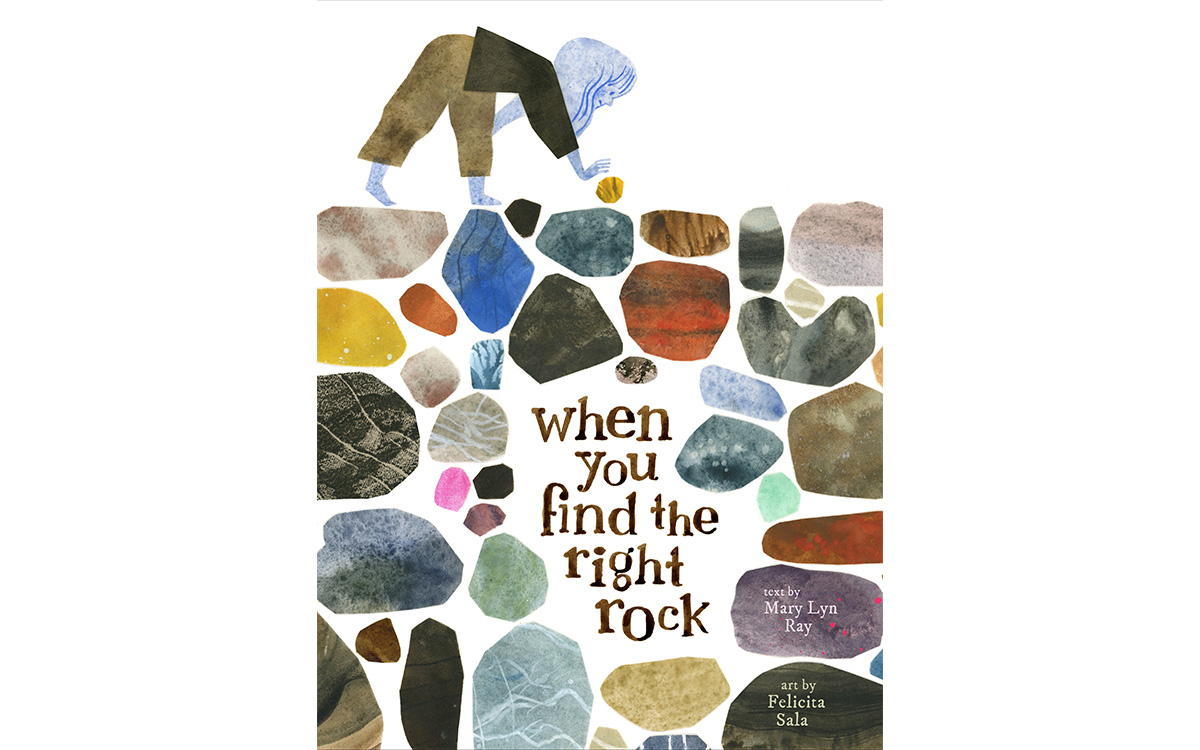
When You Find the Right Rock by Mary Lyn Ray
Chronicle Books, ages 3–8
Plenty of contemporary picture books attempt to serve up mindfulness to minors, but here, the magical power of a simple rock to jolt us into the present is rendered viscerally. This vibrantly watercolored book traces a journey from the mountains to the sea, and deftly honors rocks for their scientific properties as well as their potency as reminders of one’s own inner strength and outer connectedness.
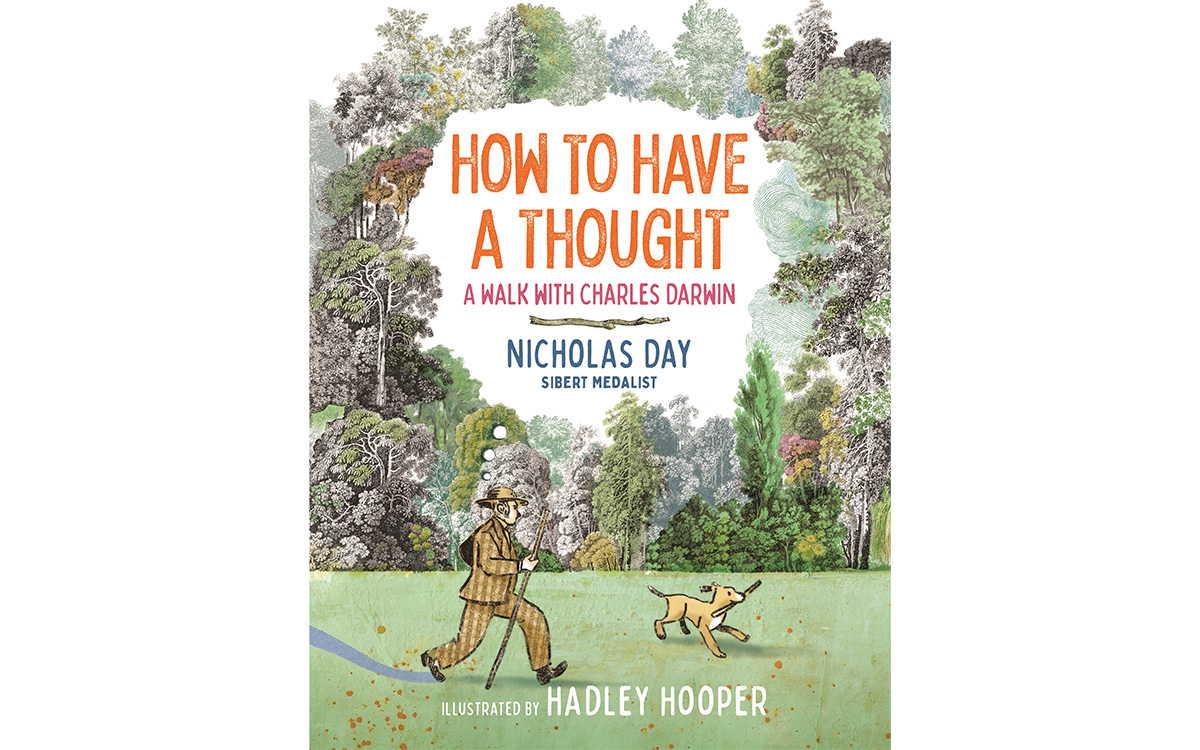
How to Have a Thought: A Walk With Charles Darwin, by Nicholas Day
Neal Porter Books, ages 4–8
“First, you need a rock.” Did you know that after disembarking the HMS Beagle and settling into a slow-paced life in the English countryside, evolutionary biologist Charles Darwin literally walked his way into the paradigm-busting notion of natural selection? He worked through then-audacious ideas during daily meanderings along a “thinking path” with a trusty terrier named Polly. Offering young readers a nature-journal-like compendium of the very items that sparked Darwin’s big ideas, this formally experimental read mimics his experience of letting his thoughts wander, and of building cairns to represent each conundrum (“Ordinary problems were one-rock problems; more difficult problems required ‘two-rocks, three-rocks, even four-rocks'”). We also see what happens when those thoughts unravel—knocking one stone away with his walking stick after each loop. The result is a meandering experience that invites reflection on what it takes to sort through difficult concepts—and that slyly encourages kids to look to nature for answers.
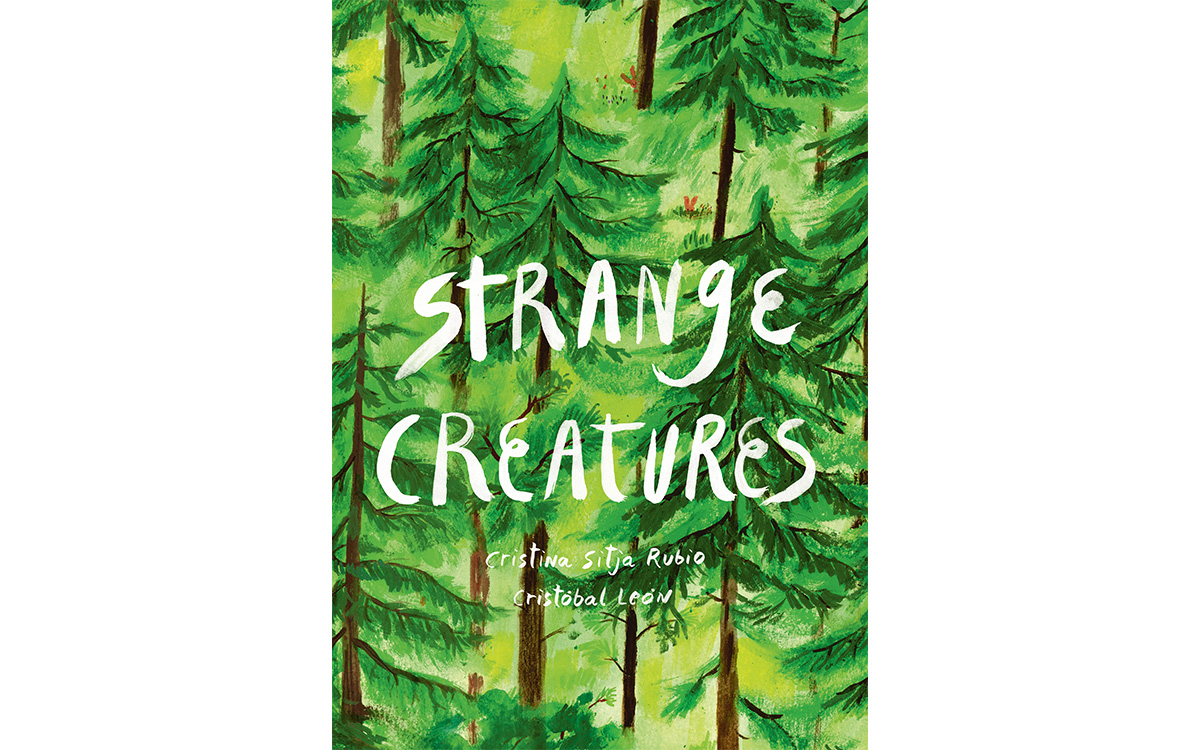
Strange Creatures by Cristina Sitja Rubio and Cristóbal León
Kids Can Press, ages 4–8
How to introduce preschoolers to topics like habitat degradation without inducing nightmares? Somehow, this contemporary fable, translated from Portuguese and told from the perspective of party-loving forest animals, walks that greasy tightrope with whimsy and finesse. Through spare text, wondrously rich illustration, and playful irreverence, this deceptively simple tale opens young eyes to the impact of strange creatures (i.e., humans) on Earth's fellow creatures—but with playful poignancy and an ultimately uplifting twist.
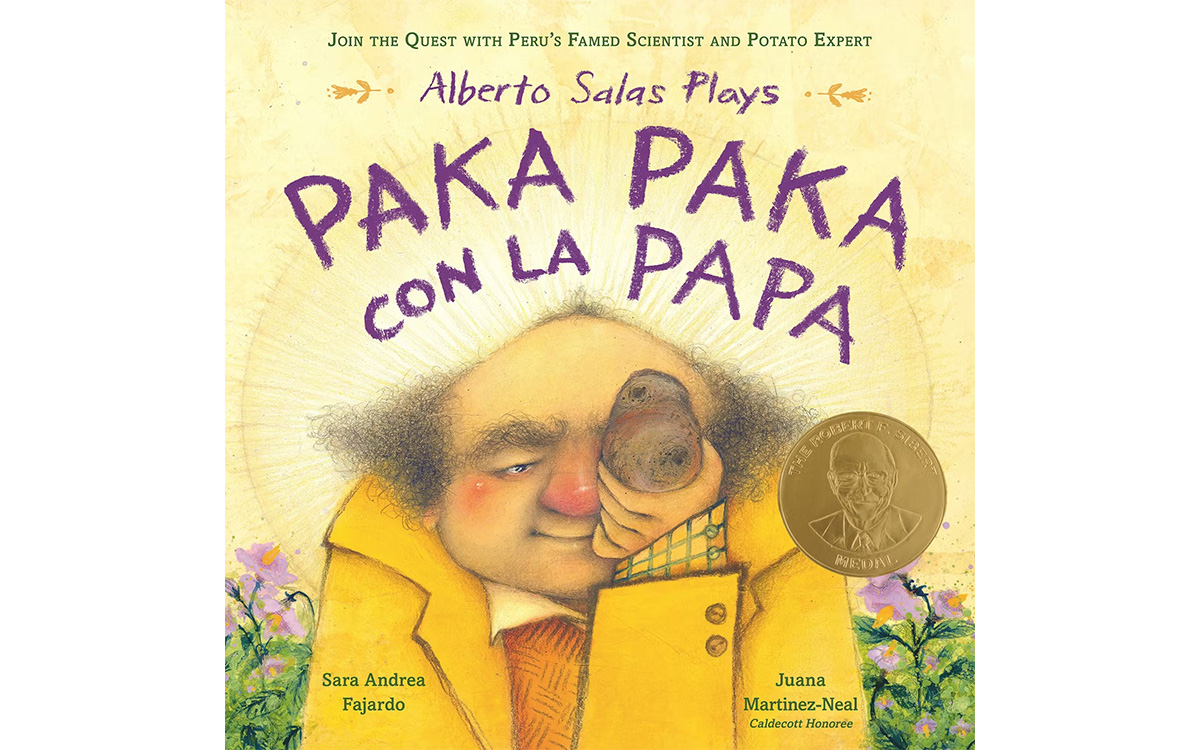
Paka Paka Con La Papa by Sara Andrea Fajardo
Roaring Brook Press, ages 4–8
A gem of an introduction to biodiversity, this delightfully playful picture book brings to life the story of Peruvian scientist Alberto Salas, now in his eighties, who conserved more than 60 percent of Peru’s 4,000+ potato or “papa” species at Lima’s International Potato Center. “Paka paka” translates to “hike-and-seek” in Quechua, an Indigenous language in Salas’s native Andes mountains, and the book shows how Salas used skills gleaned from childhood games to develop his plant-conserving superpowers. Kid and grown-up readers are bound to see potatoes in a totally new light afterward.
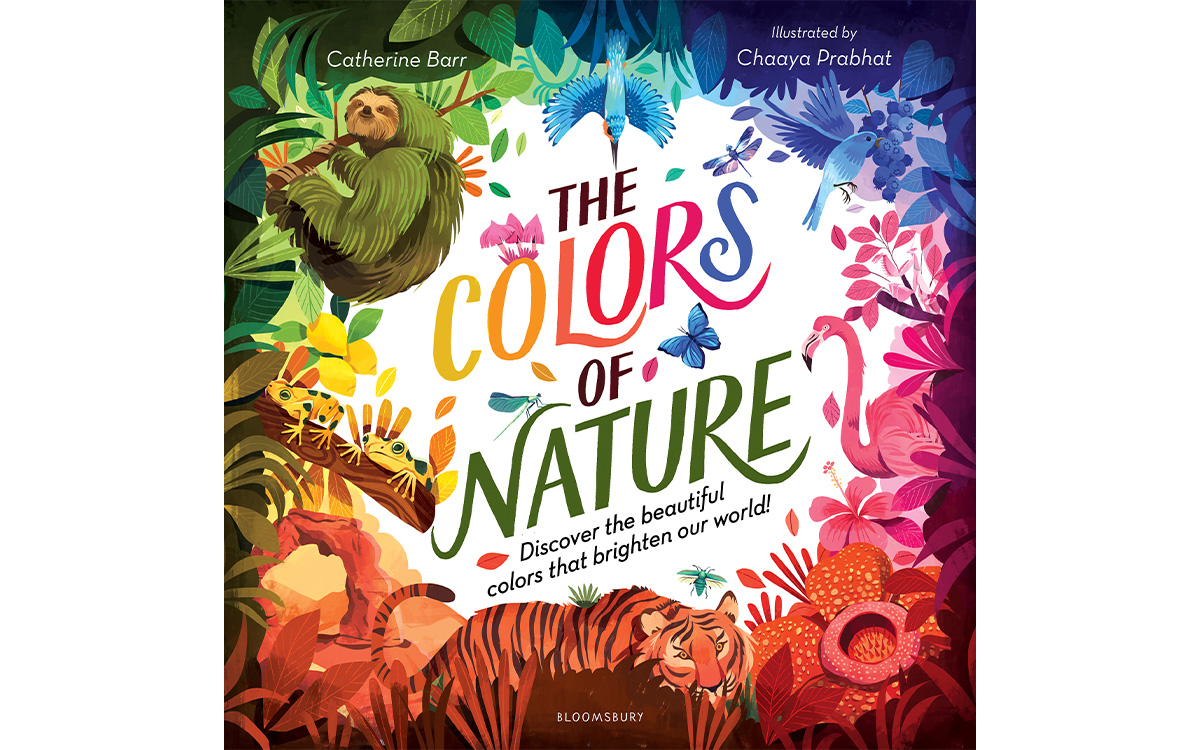
The Colors of Nature, by Catherine Barr
Bloomsbury Children’s Books, ages 4–8
With a fresh hue celebrated on every two-page spread, this kaleidoscopic read provides a feast for the eyes, and for curious minds too. A compendium of Earth’s most vividly colored treasures, it’s chock full of fascinating science facts. Did you know: Stars look white from Earth but fill outer space with a rainbow of color; orangutans developed their orange hue to better blend into the sunlight seeping through rainforest tree canopies; and octopuses flush red when angered? No matter their favorite color du jour, young readers will unlock delight in this comprehensive and beautiful collection.
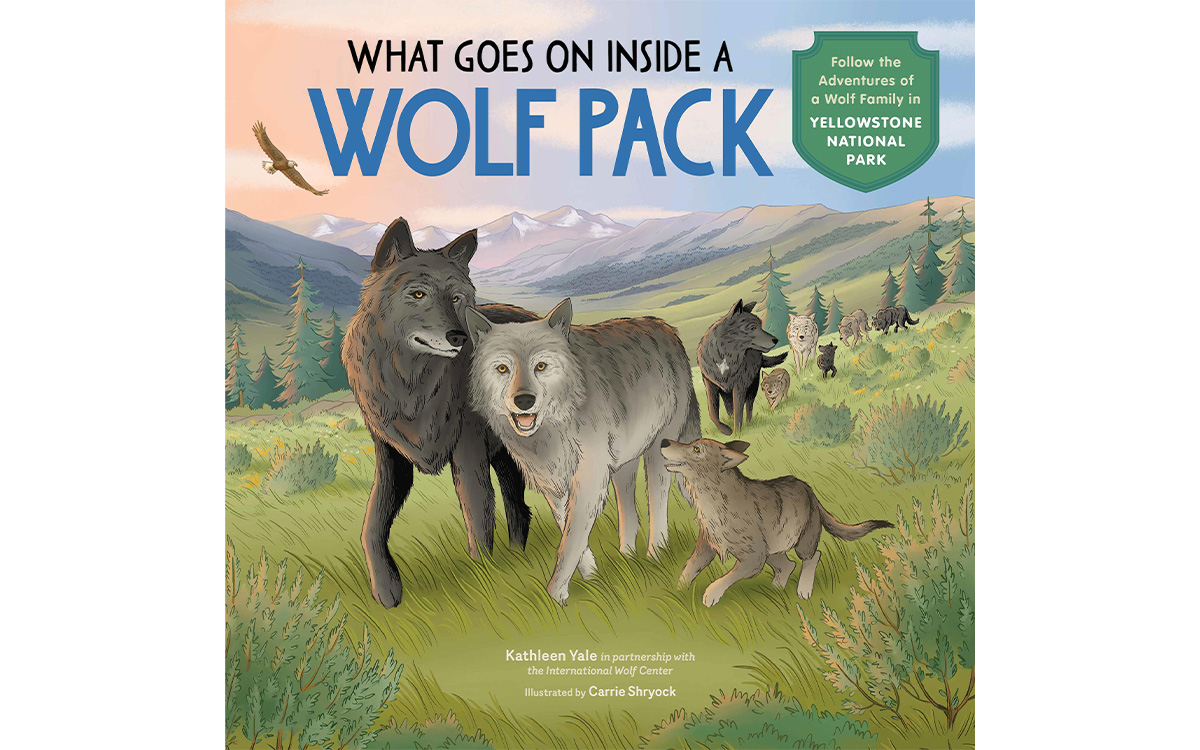
What Goes on Inside a Wolf Pack by Kathleen Yale
Storey Publishing, ages 7+
As suitable for a curious kiddo’s bookshelf as it is for a nonfiction-loving grown-up’s coffee table, this elegant and immersive ode chronicles a year in a Yellowstone wolf pack. Author Kathleen Yale, Orion’s digital editor and a former wildlife field tech on the Yellowstone Wolf Project, masterfully makes complex science kid friendly; ultimately, her book celebrates but also portrays the titular animal as one thread among a critical and complex ecosystem. Offering kids and their “bigs” the mutual pleasure of a juicy, graphic read sure to spark side conversations, Wolf Pack is a visual feast that will educate readers on bears, bison, ravens (revealed here as wolves’ longtime best friends), Yellowstone flora and fauna, and the long-standing controversies surrounding its mythic main characters.
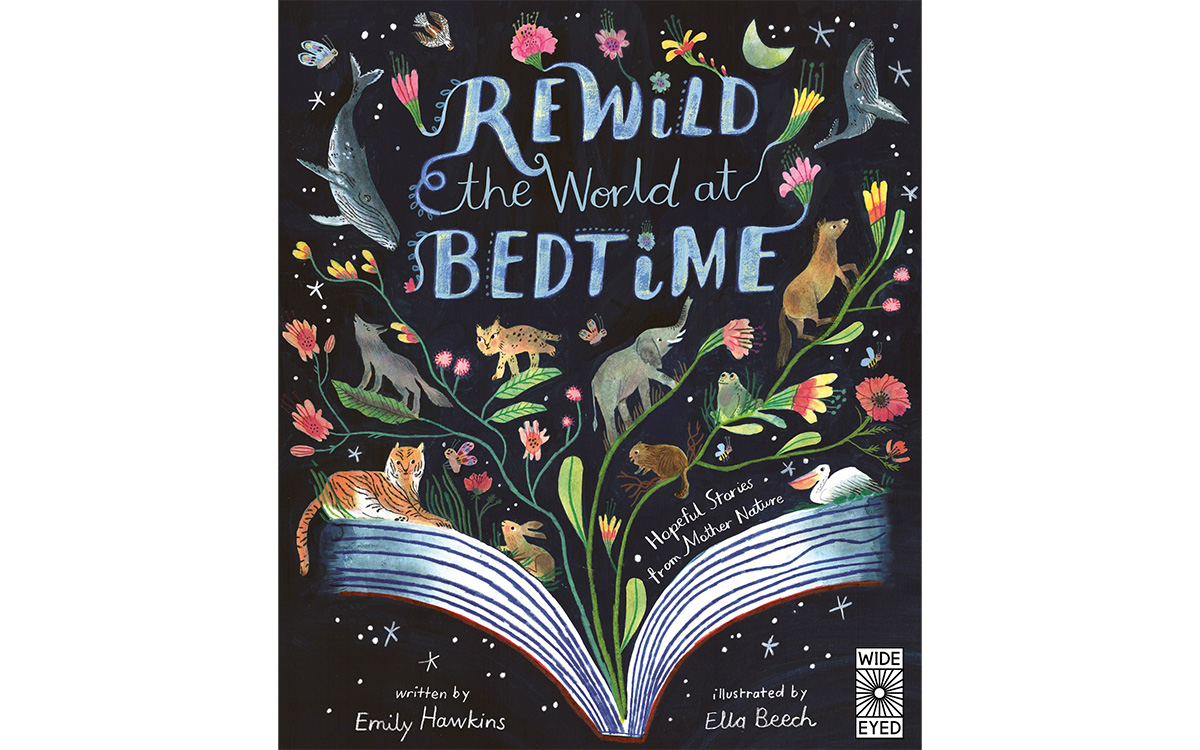
Rewild the World at Bedtime: Hopeful Stories From Mother Nature by Emily Hawkins
Quarto, ages 5–8
It’s tough to deliver an authentically feel-good conservation story at a time when more than 40,000 species are facing extinction. Yet in this artful keepsake collection, Hawkins serves up 20 transporting and truly soothing stories about animals reclaiming their habitats. From the wild tale of China’s “Panda School” to the plights of British Columbian otters and plucky Eurasian beavers, these straightforward accounts repeatedly show kids (and remind their grown-ups) just how resilient, intelligent, and ultimately inspirational nature is.
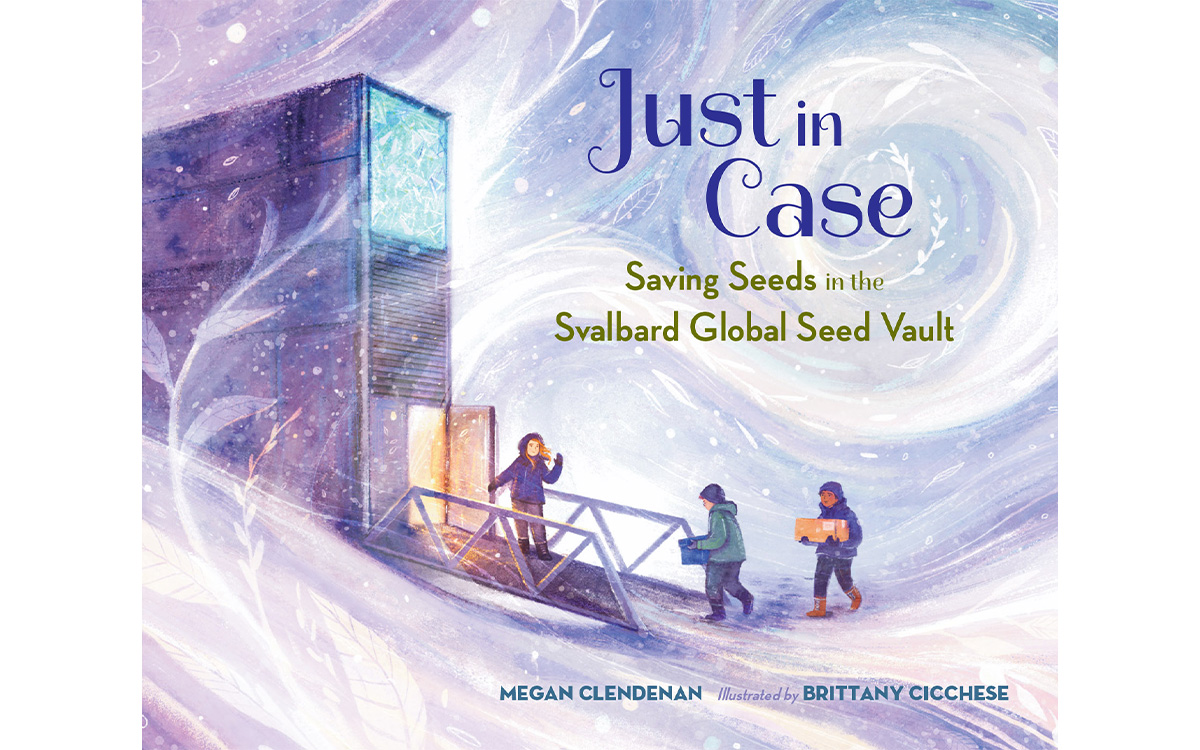
Just in Case: Saving Seeds in the Svalbard Global Seed Vault, by Megan Clendenan
Charlesbridge Publishing, ages 6–9
In this gripping story about the facility deep inside a Norwegian mountain that stores backup copies of the world’s crop seeds, primary schoolers will come to understand the vital secrets stored within unassuming seeds. A high-contrast and aesthetically stunning reading experience, Just in Case introduces hard topics (extinction, war, climate disasters) in a matter-of-fact yet calming manner that leaves readers with a sense of awe for what far-flung humans—farmers, gardeners, collectors—were able to accomplish collectively, and out of love for humanity.
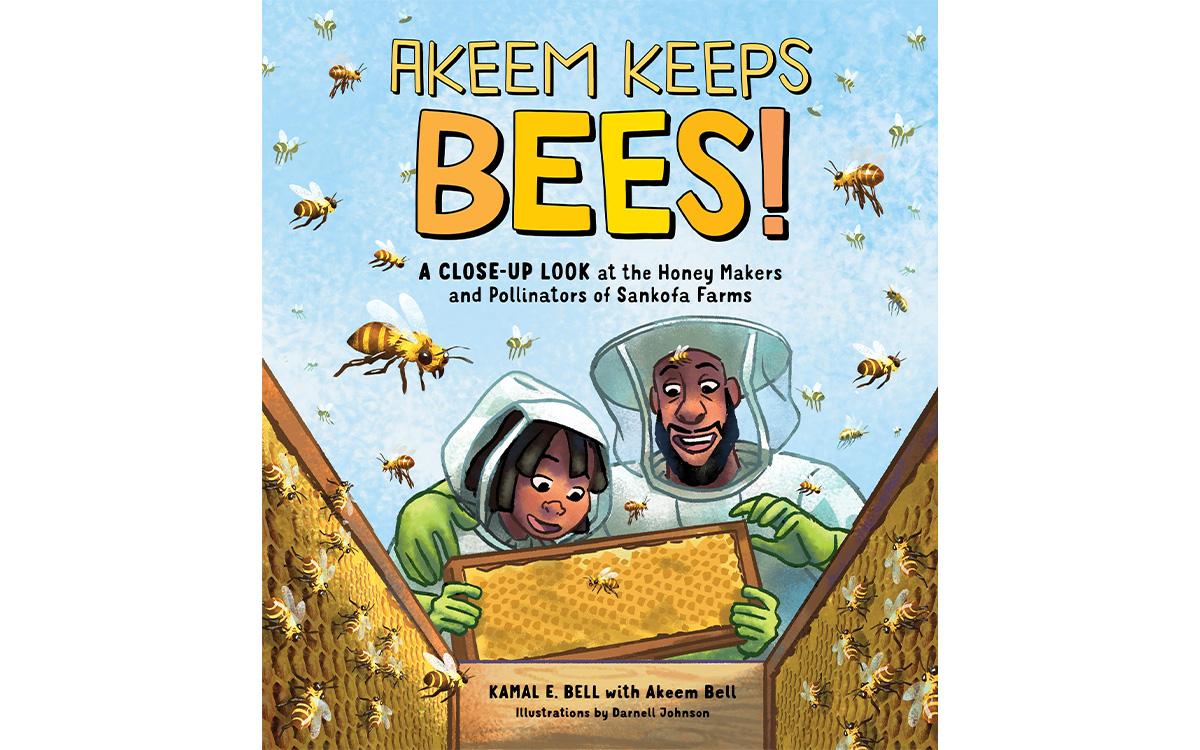
Akeem Keeps Bees! by Kamal E. Bell with Akeem Bell
Storey Publishing, ages 6–10
A sweet-as-honey resource for any family piqued by beekeeping, this graphic storybook begins with the arrival of a box of bees and follows Akeem and his dad throughout a year of real-life hive adventures. Authored by regenerative farmer Kamal Bell—a leading voice in Black farming and youth development—and told from the perspective of his son (the real Akeem), it reveals the special role bees play in our ecosystems, and doubles as a vibrant, encouraging guide for any new or aspiring beekeeper.

The Black Mambas: The World’s First All-Woman Anti-Poaching Unit by Kelly Crull
Millbrook Press, ages 6–10
This true story of South Africa’s first all-female anti-poaching unit is told from the perspective of its protagonists, who are identified by first name in this exciting, documentary-style picture book. With candor and compassion, the Black Mambas reveal how they protect endangered animals like rhinos and pangolins, using tools like patrols and community engagement. Author Kelly Crull spent five years documenting the Black Mambas, and his result teems with vivid photography and testimonials. The effect is visceral, thrilling, and nuanced, yet kid friendly. A portion of proceeds is donated to the Black Mamba Anti-Poaching Unit.
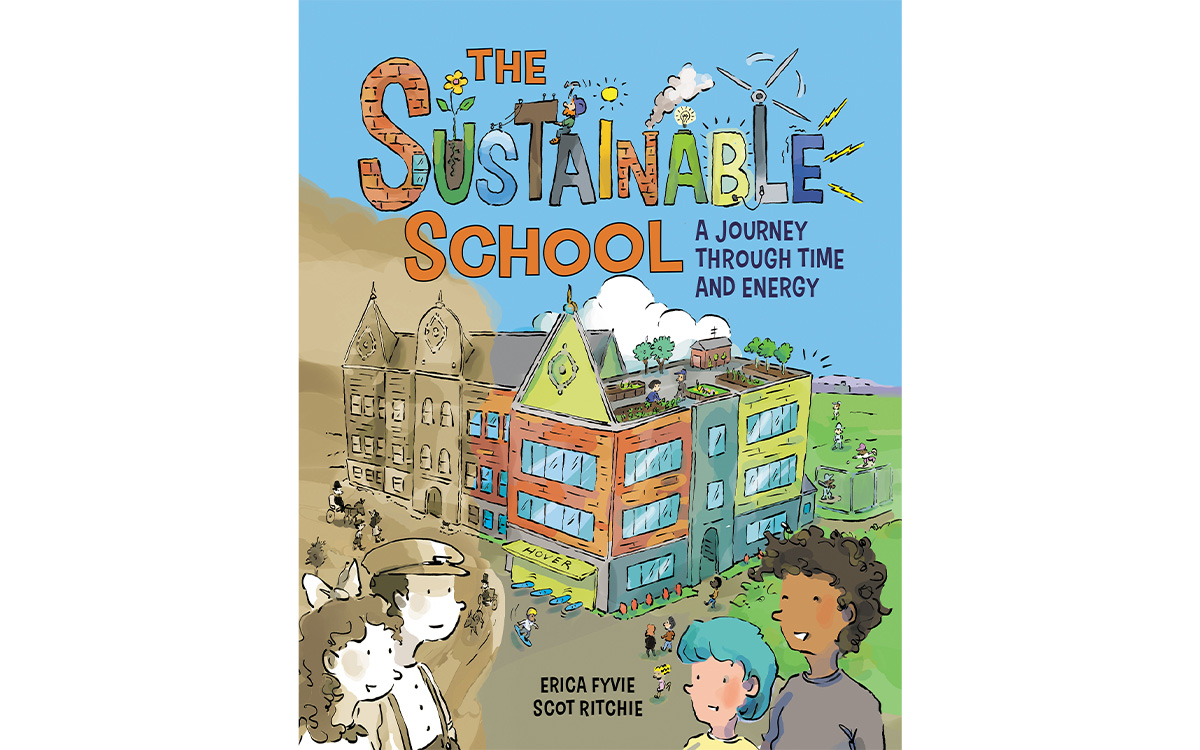
The Sustainable School by Erica Fyvie
Kids Can Press, ages 8+
When construction at Birch Elementary uncovers a time capsule buried by the school’s sixth-grade class of 1900, the current six graders are inspired to devise predictions for how their school can become more energy efficient by 2100. Cue a fast-paced, highly visual journey alongside the students as they uncover detailed ideas for new power sources, modes of transportation, and construction techniques. Sidebars sprinkled throughout this dense yet engaging, comics-style read detail real-life famous time capsules, with guidelines for creating one’s own personal, family, or classroom time capsules.
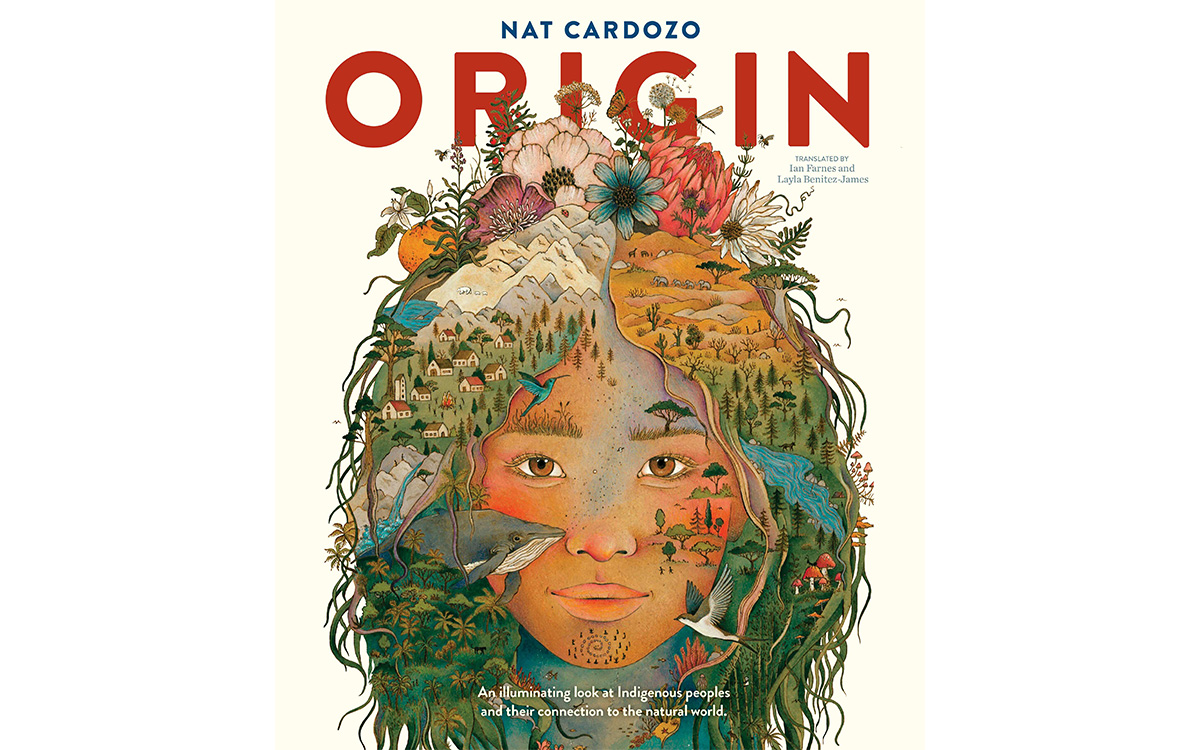
Origin: An Illuminating Look at Indigenous Peoples and Their Connection to the Natural World, by Nat Cardozo
Red Comet Press, ages 8+
An arrestingly artful compendium of 22 first-person portraits including children from Indigenous cultures across the globe, this meticulously researched book invites readers to reflect on our common origin as Earthlings inhabiting the same delicate home. Each spread presents a contemporary and historical glimpse into the ways of an Indigenous group, such as Inuit or Cherokee peoples, alongside arresting illustrations that intentionally blur lines between humans and the landscapes that sustain them. Young readers will come to understand the subjects’ prevailing values—reciprocity, solidarity, avoiding excess, and honoring all that nature provides. It all makes for a provocative invitation to reflect on how we might better unite humanity and protect our remaining biodiversity (about 80 percent of which occurs on Indigenous-managed lands).