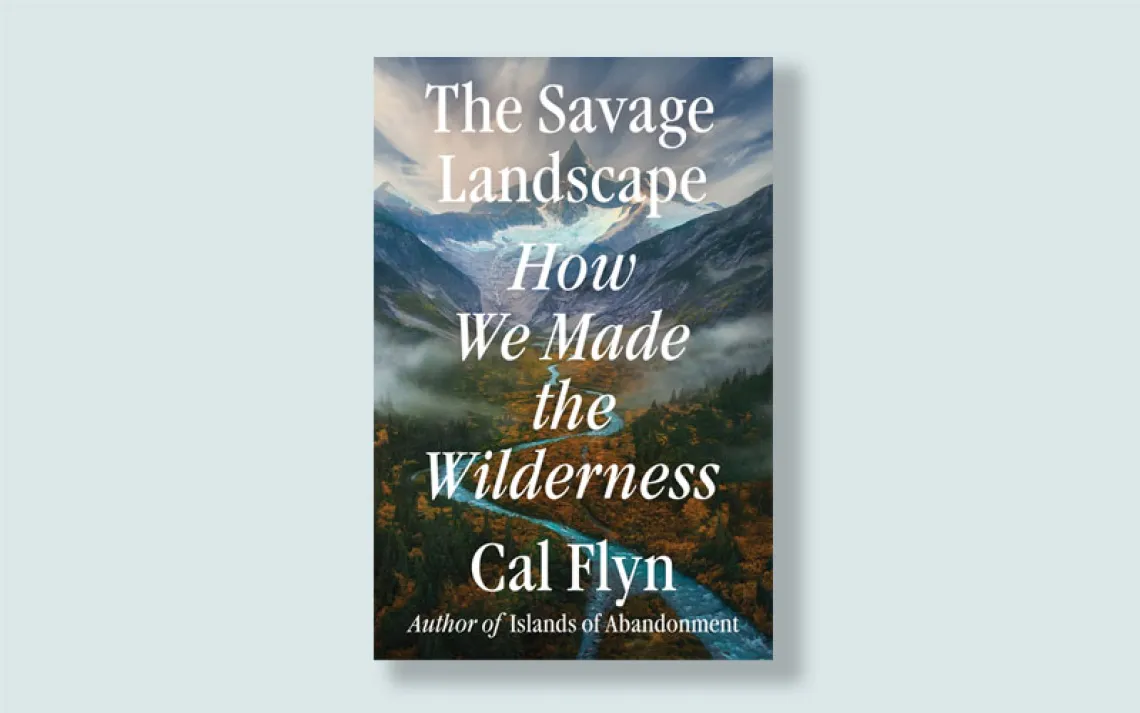
Loss and Joy in a World Teetering on Climate Collapse
Charlotte McConaghy's book "Wild Dark Shore" is part mystery, part homage to the planet's wonders
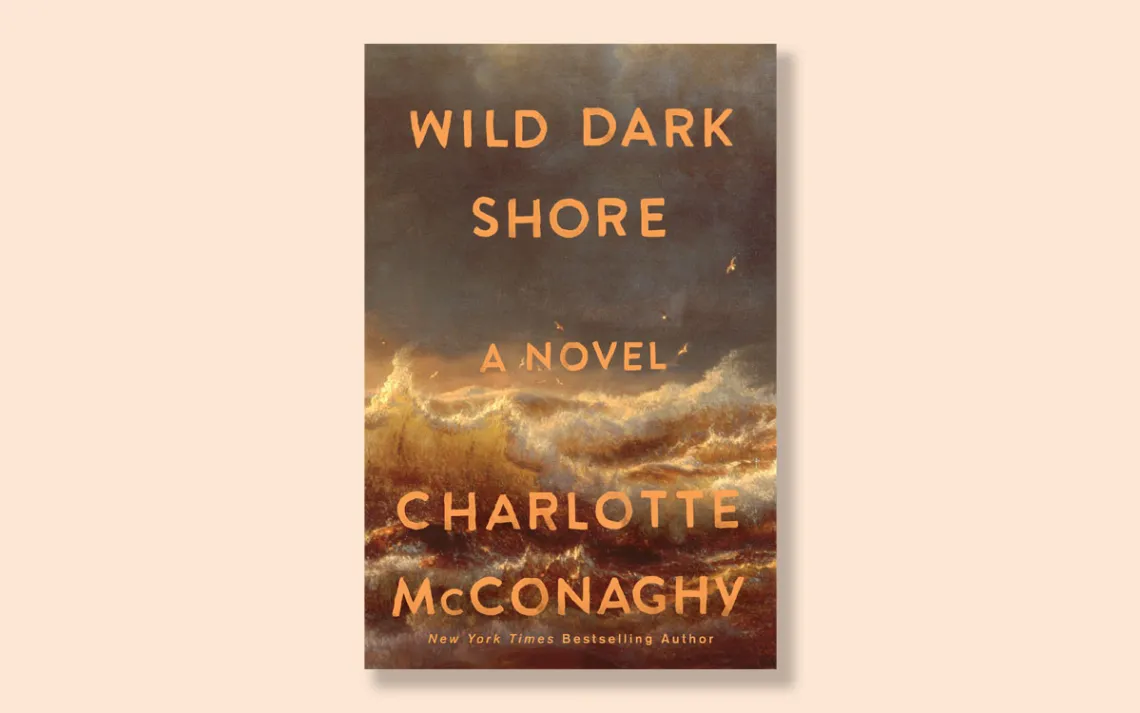
On the fictional island of Shearwater in Antarctica, time is running out to evacuate a vault of last-of-their-kind seeds. All the researchers are gone, and as rising tides and temperatures threaten the collection, one caretaker family—Dominic Salt and his children, Fen, Raff, and Orly—await the ship that will take them and the seeds to safety. Then a storm hits, and amid the waves, a woman named Rowan inexplicably appears in the water, unconscious.
With Wild Dark Shore (Flatiron, 2025), Charlotte McConaghy continues to establish herself as one of the most empathetic and lucid storytellers addressing the climate crisis. As in McConaghy’s previous novels, loss and grief permeate a tense and forbidden world, where evidence of the violence of human intervention abounds—all told from increasingly layered points of view. Fen frolics with seals. Raff, spring-loaded with anger, swings at a punching bag. Orly rattles off science minutiae on seemingly every seed imaginable. Meanwhile, Dominic struggles with Rowan’s arrival while guarding the secrets the island carries. There is also a mystery to solve: Why did someone sabotage the seed vault’s communications? And what drove so many of the researchers to go mad? What happens next unfolds in the throes of noir. At stake are the seeds that could save humanity.
And still … a joyful awe for all that is wild never ceases to push through the dirge of this carefully crafted world. When Rowan comes across thousands of penguins and elephant seals on a windy day, she says, “I have never heard anything like it. Not eerie and haunted like the wind was but wild and boisterous and full of life. I can’t help laughing in astonishment, in wonder.”