 The Magazine of The Sierra Club
The Renewable Energy Train Has Left the Station
The effort to scale solar and wind and reduce carbon emissions is gaining momentum

Photo by StoryWorkz
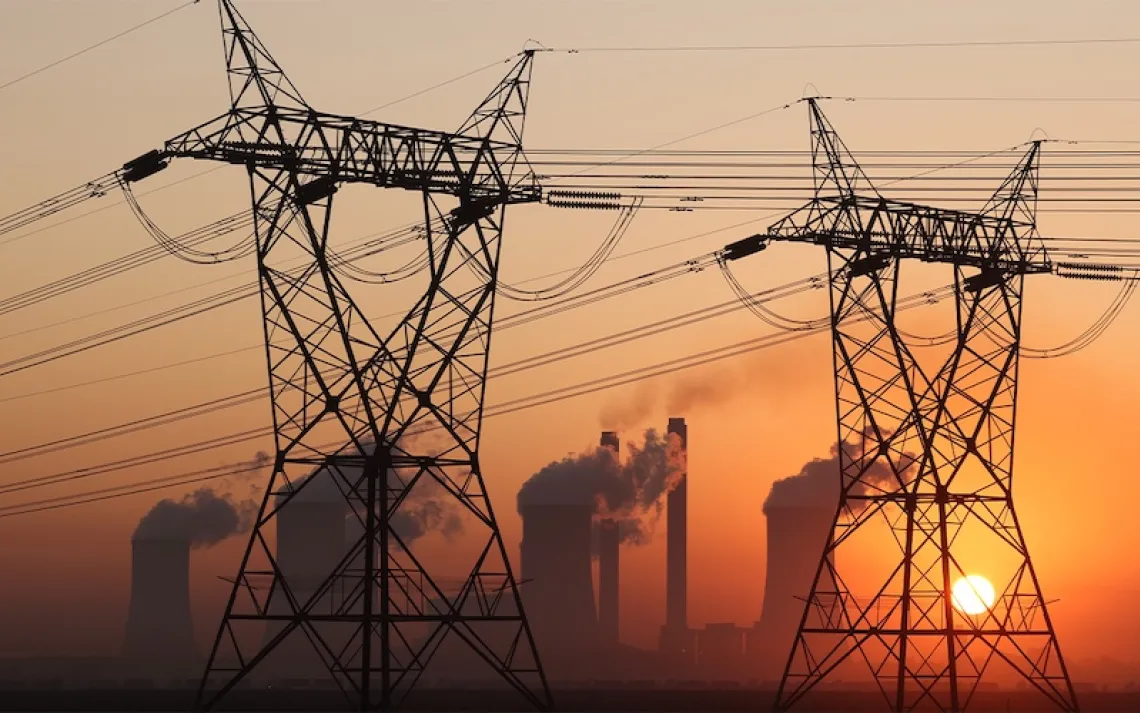
For most of the climate change era, fossil fuel interests have stymied the transition to renewable energy for two main reasons: Burning oil and gas was cheap and clean energy was relatively expensive. Put another way, the primary thing causing the climate crisis, accounting for around two-thirds of the world’s emissions, was also the thing that undergirded the global economy.
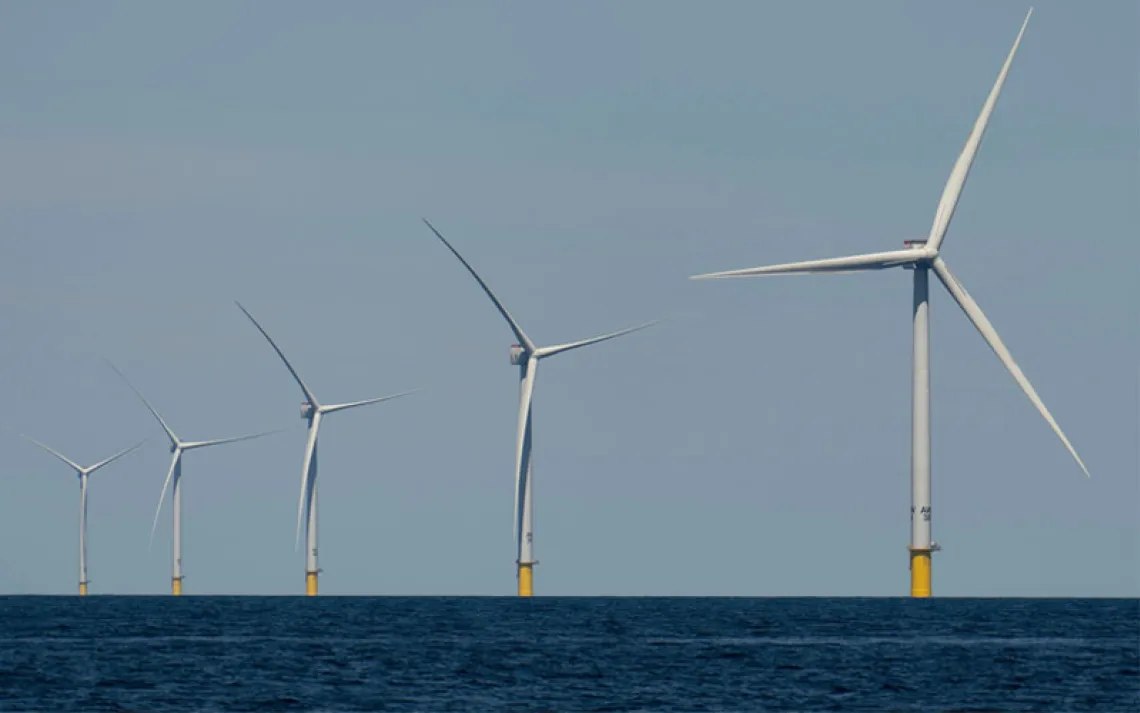
But now, that calculus has shifted. About five years ago, we crossed an invisible line where it became cheaper to produce power with the sun and wind and batteries than by setting stuff on fire. That’s potentially epochal—we now have a chance to slow rising temperatures and provide floods of low-cost energy to the world.
In other countries, especially in China, the new economics have driven a wave of clean energy and a reduction in the use of fossil fuels. It’s an age, suddenly, of solutions. It’s not that the sun and wind by themselves will save the day, but simply that, at last, we have scalable tools to begin displacing fossil fuels.
The energy transition is the most visible part of climate change action, but, as this issue of Sierra makes clear, people are hard at work on many other fronts. In our everyday lives, we’ve got solutions aplenty—EVs to replace gas guzzlers, heat pumps to supplant gas furnaces, and induction cooktops instead of open fires in the kitchen. Most of these are easy—substitution, not sacrifice.
Alas, this same inexorable math stirs enormous fear and anger among the owners of oil wells and coal mines. Their grip on our national political life (and often on local politics, where oil and gas interests help fund the “grassroots” opposition to renewable energy) has turned America into the anchor on a global ship that wants badly to sail with the prevailing winds.
During President Trump’s second term, his administration has attempted to halt offshore wind projects already under construction and claw back solar funding. Within the first month, it put the kibosh on the Solar for All program, freezing $7 billion that would have gone toward low-cost residential solar projects and expanded access to clean energy.
This sort of top-down opposition means that those of us working for solutions must do more than cheer on the makers of renewable energy, more than just help find the capital to speed the clean energy build-out. Instead, we must continue to engage in what should now be the unnecessary politics of advancing solutions at every turn.
The climate fight still requires every possible tool—including carbon pricing and divestment from banks that lend to Big Oil—but we now have technologies that we didn’t have just a few years ago, making the transition to clean energy easier than ever. One of our main jobs now is simply to press leaders in Washington to let this shift play out, as it already is across much of the world.