Alannah Acaq Hurley’s Watershed Moment
An Alaska Native receives the Goldman Prize for her efforts to protect Bristol Bay from mining
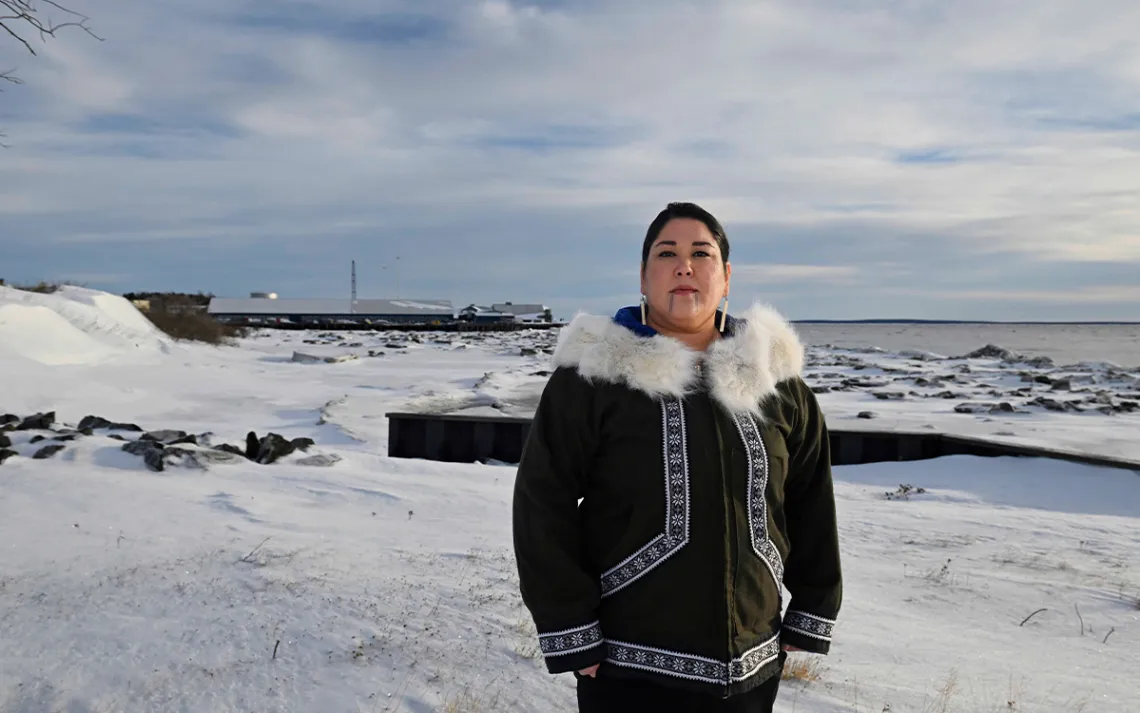
Alannah Acaq Hurley. | Photo courtesy of the Goldman Environmental Prize
If you’ve ever eaten wild sockeye salmon, Alannah Acaq Hurley said, it likely came from Bristol Bay. The fish is a pillar of the culture and economy in this part of Southeast Alaska, and Bristol Bay is home to the largest sockeye run in the world, providing about half the global supply. It’s also the place Hurley calls home. This year, she received the Goldman Environmental Prize for decades of work in protecting her homeland from the impacts of mining. For the first time, this year's winners of the annual prize for grassroots environmental leaders were all women.
Hurley was raised in Saguyaq (Clark’s Point), a small village of about a hundred people on the bay’s eastern shore. She grew up with many Yup’ik traditions and Indigenous ways of life, hunting and fishing as her ancestors had for thousands of years. Her grandmother, Mancuaq, helped foster her spiritual connection to Bristol Bay, and she long understood that development threatened these lands and waters that were so important to her community. “Any threat to our water and our salmon is a real threat to who we are as Native people,” said Hurley. “Not only physically—this actually physically feeds our people and nourishes our communities—but culturally and spiritually as well.”
Along with the salmon run, Bristol Bay and its watershed include 25 million acres of wild rivers, wetlands, tundra, and pristine forests—ecosystems that have long been stewarded by Indigenous peoples. It also contains vast, untapped mineral and ore reserves that have been the site of a huge controversy for decades. Canadian mining company Northern Dynasty Minerals obtained mineral leases in 2001 for copper and gold deposits in the bay, with plans to create what would have been the largest open-pit mine in North America near its headwaters.
“It did not take long for us to really see it as an existential threat,” said Hurley of the proposed Pebble Mine project, which became a source of concern in the community when she was a teenager, and which she has spent more than a decade opposing.
Pebble Mine would be disastrous to Bristol Bay. The mining pit itself would be more than two miles wide and 600 feet deep. It would require the construction of roads, a dam for containing mining waste, an on-site power plant, and a fracked gas pipeline nearly 200 miles long. Over the mine’s lifetime, 10 billion tons of mining waste would be stored in perpetuity. Toxic runoff would pollute the surrounding environment. Wetlands and forests would be destroyed, and tens of billions of gallons of freshwater would be removed every year from the rivers where salmon spawn. The livelihoods and traditions of Indigenous communities would be devastated.
The communities of Bristol Bay began organizing against the mine in the early 2000s, and Hurley was involved from early on. She spent summers and breaks as a college student working for different entities in the fight, including an Alaska Native Village Corporation coalition. When the United Tribes of Bristol Bay (UTBB) was formed in 2012, Hurley started as a support person before stepping into her current role as executive director.
Thanks to the efforts of Hurley’s community, the EPA began conducting an environmental assessment of the impacts of the mine in 2011 and concluded in 2014 that “large-scale mining poses risks to salmon and the tribal communities that have depended on them for thousands of years.” Northern Dynasty Minerals pushed back, filing a lawsuit in response to the EPA’s assessment. It also filed an application with the US Army Corps of Engineers to obtain federal approval for the mining project during the first Trump administration.
Hurley and UTBB didn’t give up. They kept organizing with other allies, submitted almost 700,000 comments opposing the project, and Hurley testified before Congress in 2019—all of which led to the denial of the mine’s water permit in 2020 by the Army Corp of Engineers. They continued working to permanently bar the project during the Biden administration and kept opposition strong during the EPA’s review process.
Their work paid off. In 2023, the EPA vetoed the Pebble Mine project: the 14th veto in the agency’s history. Hurley said that many doubted that they'd find success asking the EPA to use this authority. “If I had a dime for every time we were told we were crazy, I’d be a wealthy woman,” she said.
She said that bipartisan support was crucial to their success in preventing the mine. Many people in the region were initially excited about the prospect of the mine, which could bring jobs and diversification to the local economy. It became apparent quickly, however, that the mine was a threat to many interests, and that there would be nothing left to fight over if they didn’t fight together. Hurley also had to find common ground with non-Native groups, which she described as both challenging and rewarding. “Especially in the polarizing landscape we're living in today,” she said, “trying to find windows of commonality between very different people has been critical for us.”
While Hurley and UTBB have made historic progress, the work of protecting the ecosystem and their communities is nowhere near over. They’re still defending the EPA protections in court—which are being challenged by Northern Dynasty Minerals and the State of Alaska—and other active mining claims throughout the watershed. Ultimately, they’re working to codify protections for Bristol Bay into state and federal law.
The tribes have a dual-track strategy, Hurley explained. They worked to get the EPA to stop the Pebble Mine but are also working for broader legislative action to ban the mining of copper porphyry deposits—typically mined through open-pit methods—in the whole watershed. Securing these permanent watershed-wide protections is crucial, and Hurley said that they aren’t giving up. “Otherwise, our kids are going to be faced with fighting proposal by proposal now into eternity.”
Alaskan people and landscapes have faced many threats in recent years. The Trump administration has begun rolling back the 2001 Roadless Area Conservation Rule, which protected uninterrupted wilderness areas like the Tongass National Forest from logging and road construction. The Arctic National Wildlife Refuge has been opened to oil and gas leasing, among other aggressive expansions of drilling in the state. Hurley sees the Pebble Mine project as more than just another threat. She said it's difficult not to be consumed by anger when she thinks about all the systems that were not built to include Indigenous people. “I feel like the plight of Indigenous people to protect our homelands and our ways of life in Alaska is constantly under siege.” Yet she sees that tribes across Southeast and Interior Alaska and the Pacific Northwest have all been supporting one another in the fights for their land. “It's all the same fight against individualism, and greed, and unsustainable development at the cost of the planet and people.”
Here are the five other winners of this year’s Goldman Environmental Prize:
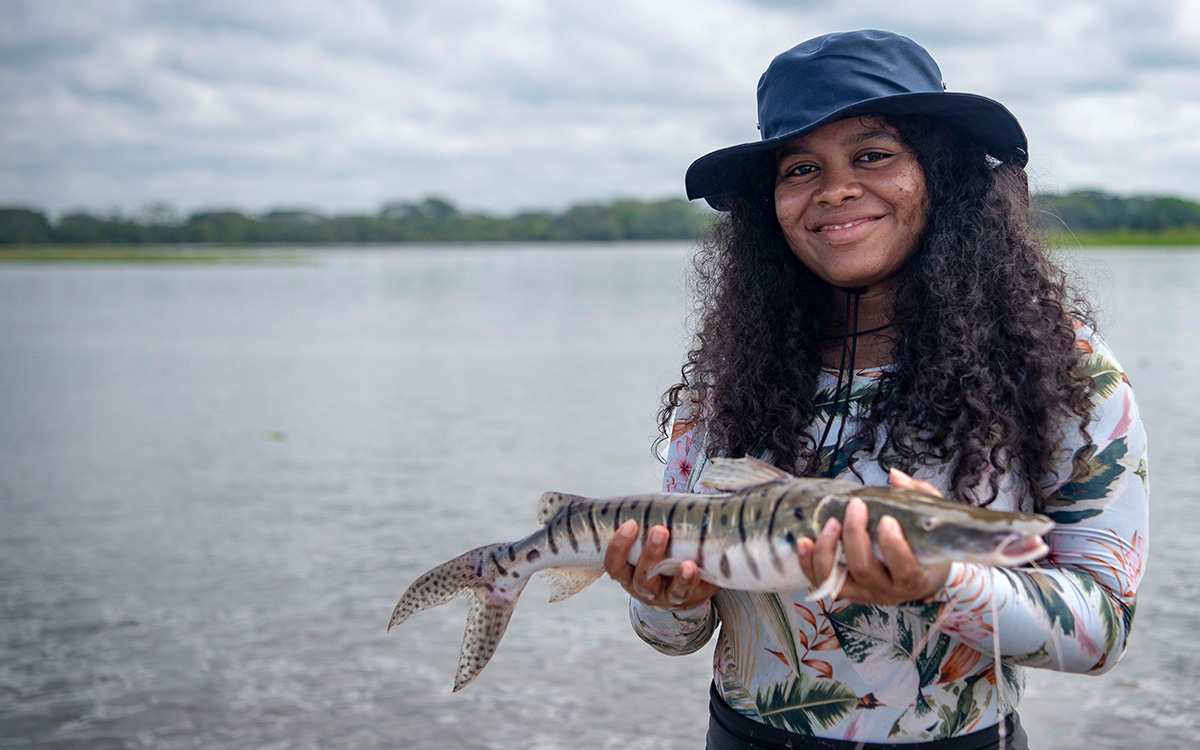
Yuvelis Morale Blanco. | Photo by Christian EscobarMora for the Goldman Environmental Prize
Yuvelis Morales Blanco, from Colombia
Yuvelis Morales Blanco is a cofounder of the youth-led group Aguawil, which opposed fracking projects near Puerto Wilches, Colombia. Her activism as a teenager helped prevent two major drilling projects in Colombia. The country’s largest petroleum company was forced to suspend its contracts for the projects, and the Colombian Constitutional Court confirmed that it had violated the rights to free, prior, and informed consent of the community. Blanco’s continued activism made fracking a major issue in Colombia’s 2022 presidential elections, and President Gustavo Petro has announced that he will not allow fracking projects during his tenure.
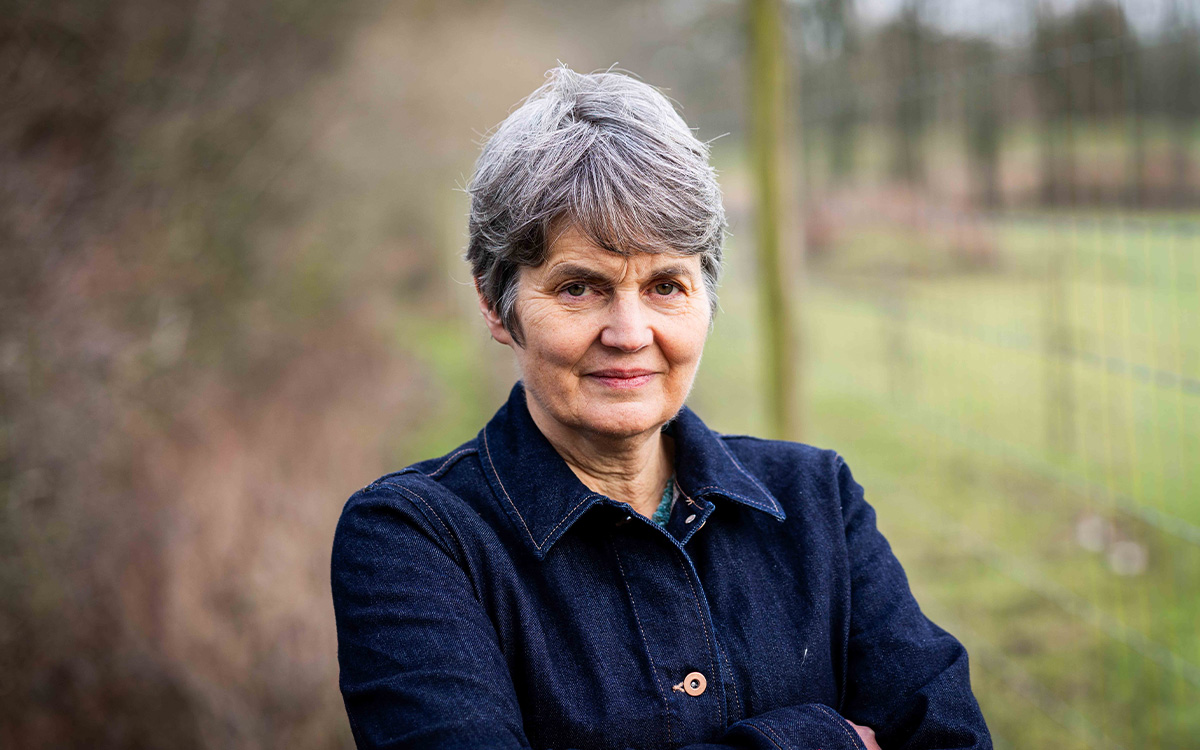
Sarah Finch. | Photo courtesy of the Goldman Environmental Prize
Sarah Finch, from the United Kingdom
After learning of a proposed oil-drilling project only six miles from her home in Surrey, Sarah Finch worked with the Weald Action Group to stop it and other proposed projects in the area. They fought against UK Oil and Gas, which wanted to develop 2,400 oil wells in The Weald, and succeeded in blocking many drilling applications. Their case against one project eventually rose to the UK Supreme Court. They found that the development near Sarah’s home was unlawful because its environmental impact assessment did not consider the effects of burning the extracted oil, creating a groundbreaking new legal precedent.
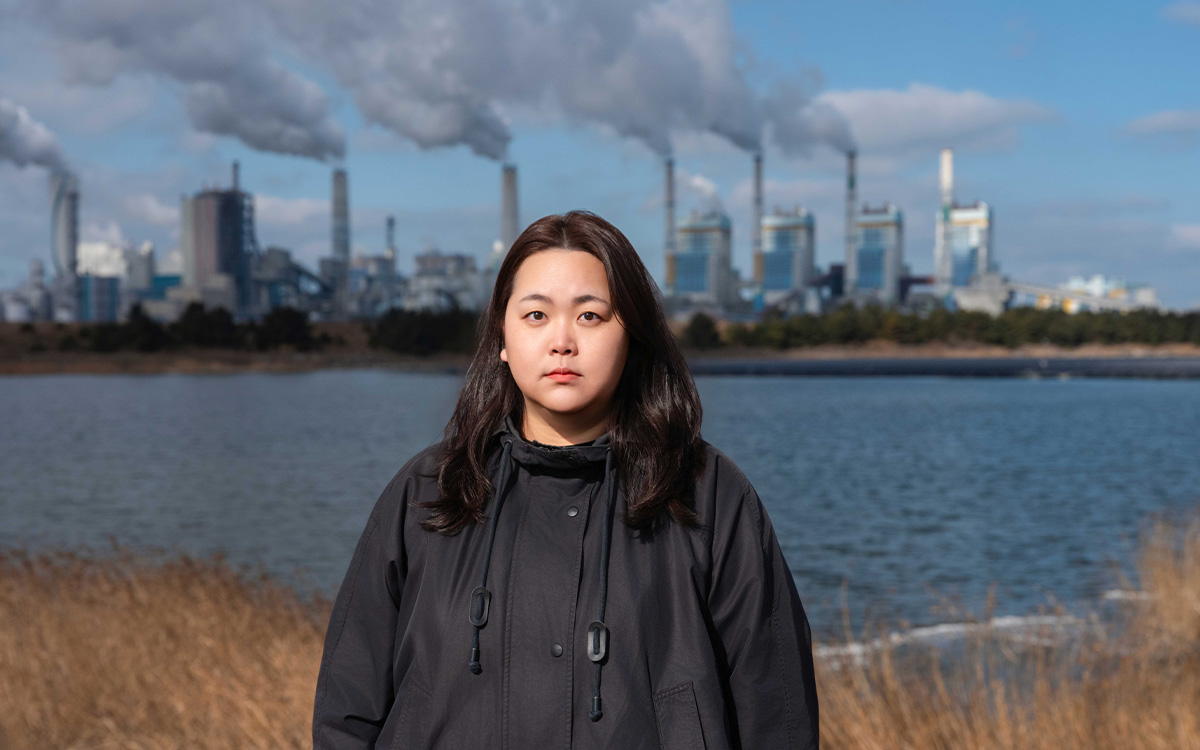
Borim Kim. | Photo courtesy of the Goldman Environmental Prize
Borim Kim, from South Korea
Borim Kim was inspired to take action on climate change by the 2018 heat wave in South Korea, a country that is extremely reliant on imported oil and gas. Her organization Youth 4 Climate Action filed a climate-related constitutional complaint against the government, and their win made history. The South Korean Constitutional Court declared that the government’s climate policy failed to protect the right to safety, mandating legally binding targets for reducing emissions between 2031 and 2049. Kim’s work helped climate change be seen as a human rights issue in South Korea, and more climate lawsuits have followed.
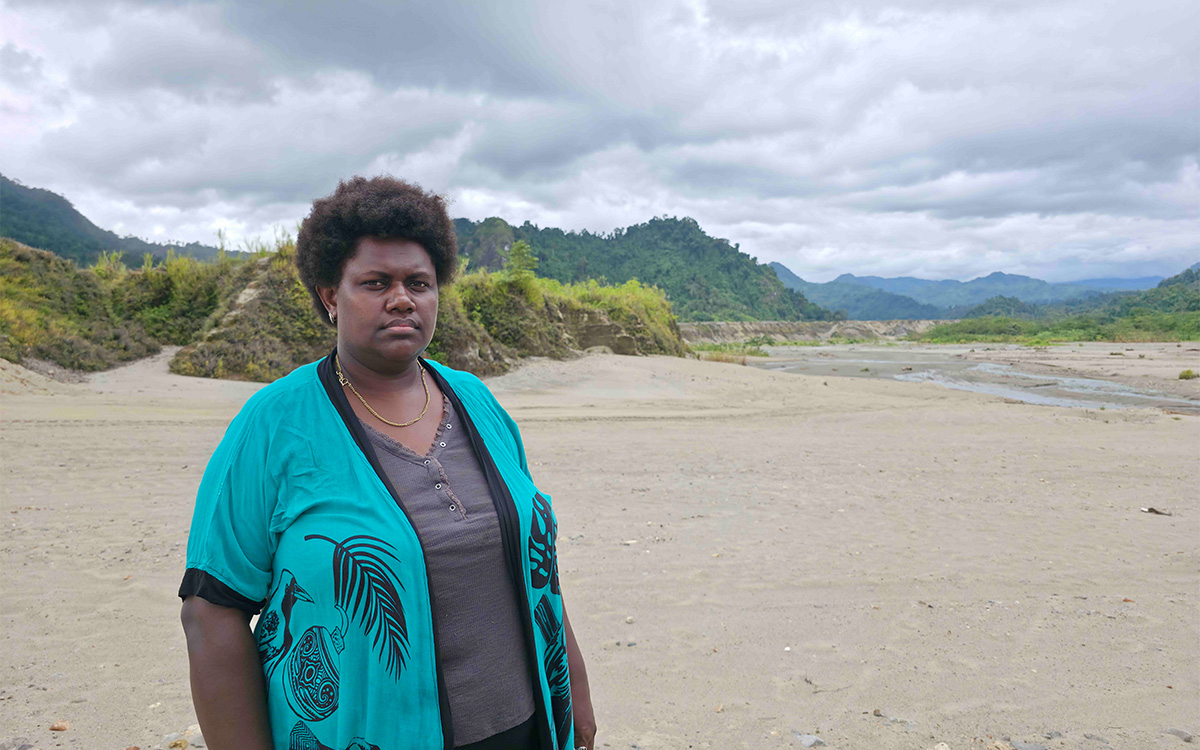
Theonila Roka Matbob. | Photo courtesy of the Goldman Environmental Prize
Theonila Roka Matbob, from Papua New Guinea
Theonila Roka Matbob’s childhood was profoundly impacted by an uprising and civil war that stemmed from injustices at the Panguna mine in Papua New Guinea’s Autonomous Region of Bougainville. The region's largest island, Bougainville, continued to suffer from the environmental, social, and economic consequences of the shuttered copper and gold mine developed by mining company Rio Tinto. Matbob spent years helping those in her community affected by the war and was the lead complainant in a human rights complaint filed against Rio Tinto. The company eventually signed a memorandum of understanding to acknowledge the mine’s harms and committed to participating in remediation processes.
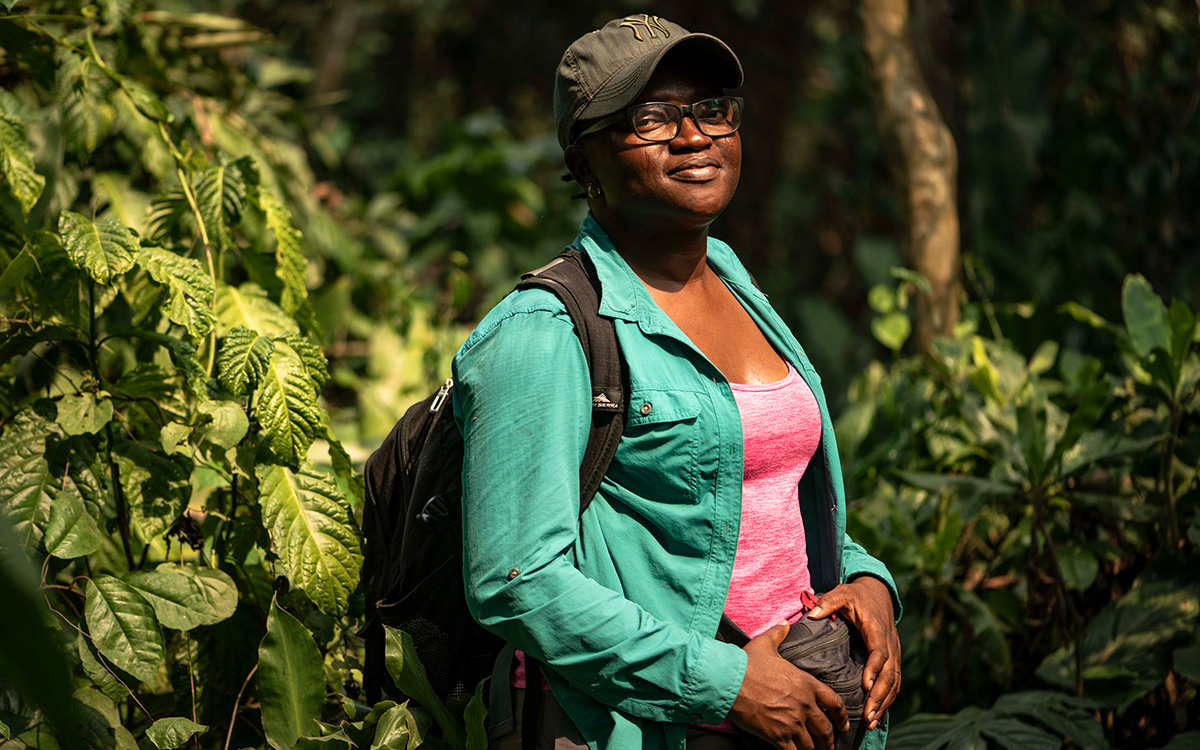
Iron Tanshi in Odukpani. | Photo by Etinosa Yvonne for the Goldman Environmental Prize
Iroro Tanshi, from Nigeria
Nigeria’s Afi Mountain Wildlife Sanctuary contains the country’s largest remaining rainforests and is home to the endangered short-tailed roundleaf bat. The bat was thought to be extinct but was rediscovered by Iroro Tanshi in 2016—but only weeks later, a wildfire devastated the forest where she found them. Motivated to protect the bats and their habitat, Tanshi worked with local communities to prevent the increasingly common wildfires that threaten their crops and livelihoods as well as the forest. As founder of the Small Mammal Conservation Organization, she led the Zero Wildfire Campaign that built wildfire detection and response systems, trained community “forest guardians,” and created an educational program for children, which prevented 74 fire outbreaks from escalating between 2022 and 2025.