 The Magazine of The Sierra Club
Baja’s Gray Whales Were a Conservation Success Story. Because of Global Warming, Everything Could Change.
A legacy of ecotourism and the economy that depends on it are also at risk
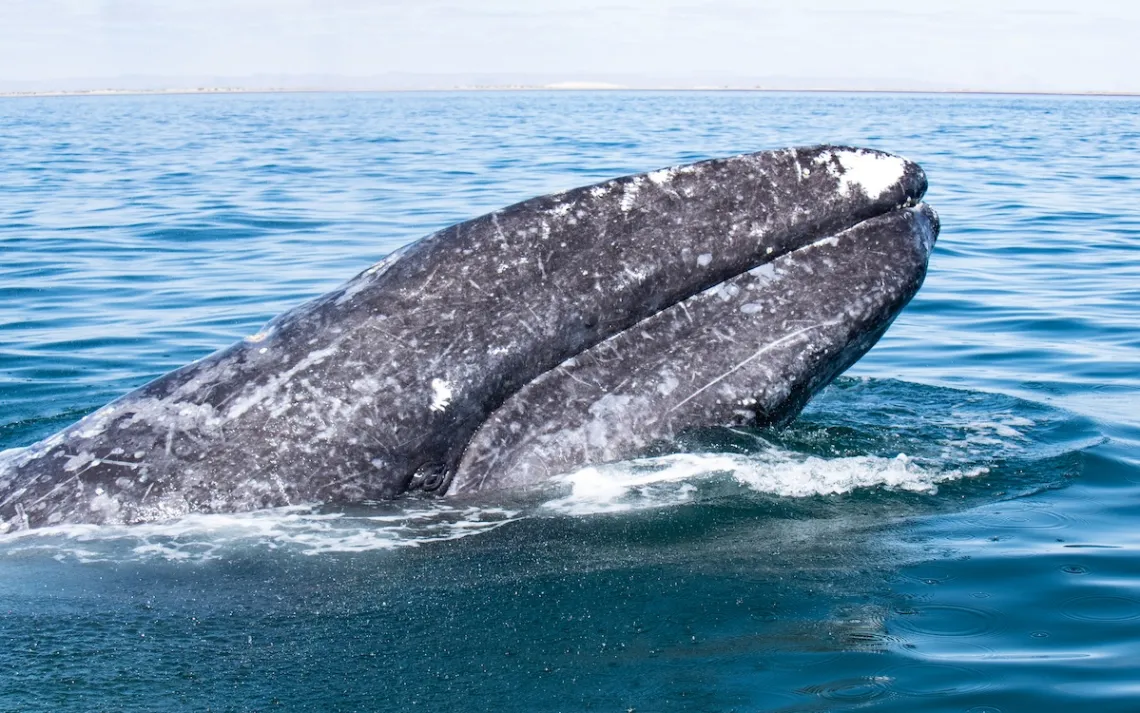
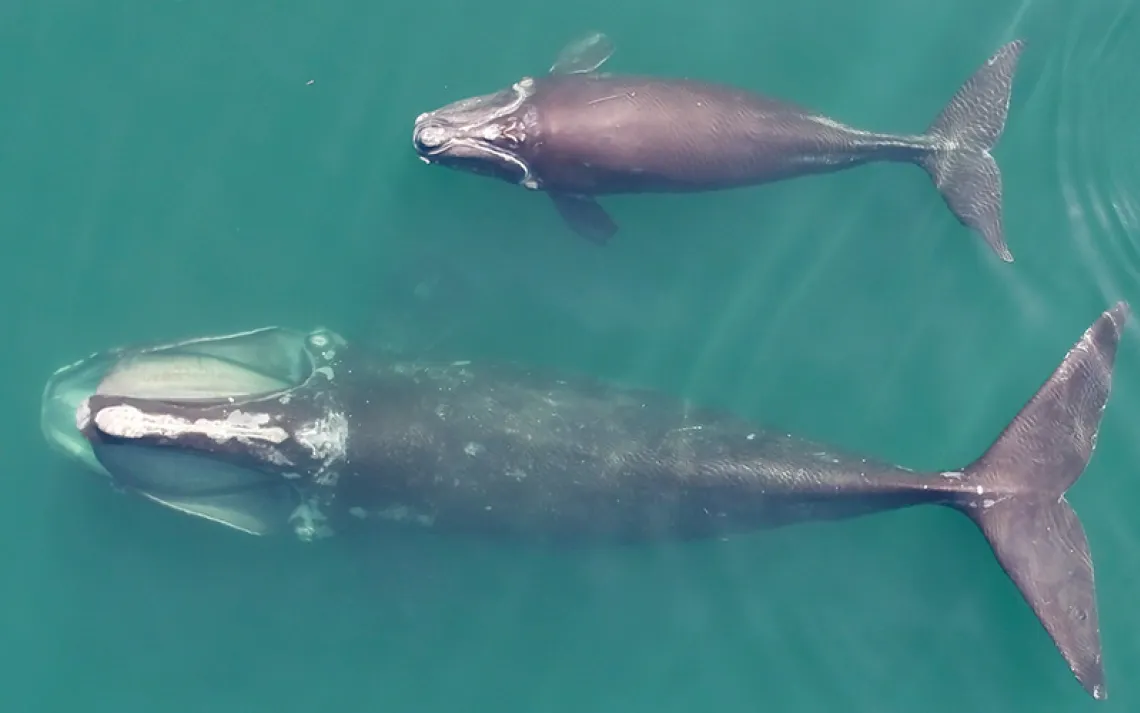
Photos courtesy of Dr. Sergio Martinez A., Gray Whale Research in Mexico Program
Every winter, thousands of tourists board bay-bound vessels on Mexico's Baja Peninsula. They don windbreakers and aim binoculars at the horizon, hoping to spot the iconic spout of a gray whale over the sea spray.
After a long history of endangerment, North Pacific gray whales, or Eschrichtius robustus, have become a familiar sight in Baja. Due to the collective efforts of the Mexican government and local conservation organizations, Baja’s economy has transformed to rely on the gentle giants, shifting from a fishing economy to more sustainable ecotourism operations.
But since 2018, gray whales have been starving to death at alarming rates. Their food source is disappearing due to climate change, and the population’s harsh decline has left local businesses a little more desperate to see whales in the bay every year. Unless the whales—or the businesses—can adapt to changing conditions, the future of this uniquely harmonious human-animal relationship is uncertain.
“We created a success story,” said Serge Dedina, founder of WildCoast, a nonprofit that supports ecotourism in the area. “But now, because of climate change, the thing that they depend on for their livelihoods—to stop doing the bad things that we don't want them to—is disappearing.”
From gentle giants to “devil fish”
North Pacific gray whales are creatures of habit. They spend their summers in the north, feeding on crustaceans in Arctic waters. Once they have built up substantial fat reserves, they begin their journey south to protected lagoons in Baja California, like Magdalena and San Ignacio Bay, where they spend the winter breeding and calving—a nearly 10,000-mile round trip.
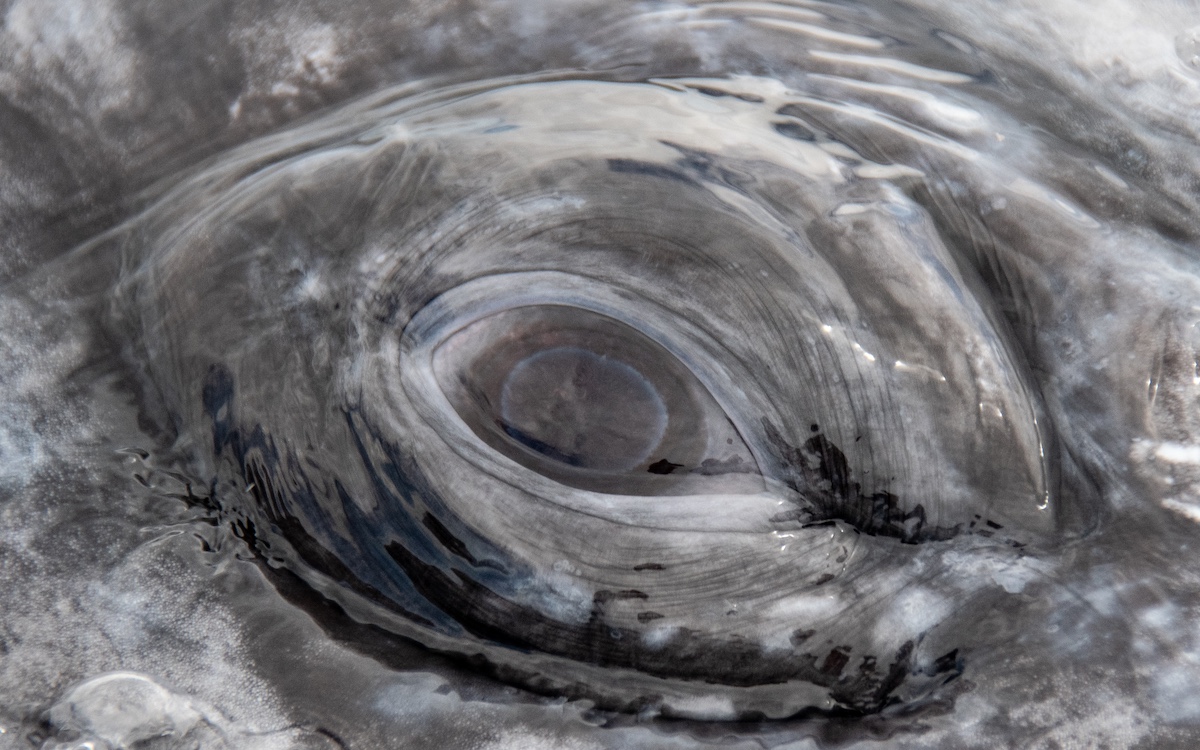
In the mid-19th century, their predictable seasonal migration made them particularly vulnerable to whalers. In 1846, Captain Charles Scammon mapped out their breeding grounds in Lagunas Ojo de Liebe and San Ignacio. By chasing mothers and calves into these dead ends, hunters could kill many individuals at once. They nicknamed the whales “devil fish” and ran through the population so quickly that the fisheries wiped themselves out in 25 years.
In 1946, the International Whaling Commission was established, and granted gray whales official protection from commercial hunting. By the 1970s, the gentle giants were so comfortable around boats that a new economic venture was born: whale watching. Since then, the Mexican government and the conservation community have collaborated to facilitate a transition to ecotourism, encouraging local fishermen to steward the species by streamlining the permitting process.
“The Mexican government agreeing to give local outfitters access to do whale watching was the key thing,” said Dedina. “That changed the trajectory of the whole dynamic of the lagoon.”
In the 1990s, Mitsubishi Corporation and the Mexican government proposed an industrial salt factory in San Ignacio lagoon. After extreme pushback from researchers, celebrities, activists, and lawyers, the project was abandoned. In 2005, the Laguna San Ignacio Conservation Alliance—the Natural Resources Defense Council (NRDC) and nonprofits like Wildcoast and Pronatura—formed to permanently protect the lands around the lagoon. The group secured a conservation easement to protect 450,000 acres of wild habitat. Funds from the alliance are reinvested in the local communities every year, promoting conservation and capacity-building for the ecotourism industry, like English courses and boat-maintenance lessons.
In 2015, the North Pacific gray whales were considered a true conservation success story. Tourists flocked to lagoons like San Ignacio to kiss 40-ton mother whales and their curious calves. Gray whales were an iconic cultural symbol and were even labeled a “common species” in the region, when NOAA counted around 27,000 individuals. In 2018, Mexico stamped the gray whale on the 500-peso note.
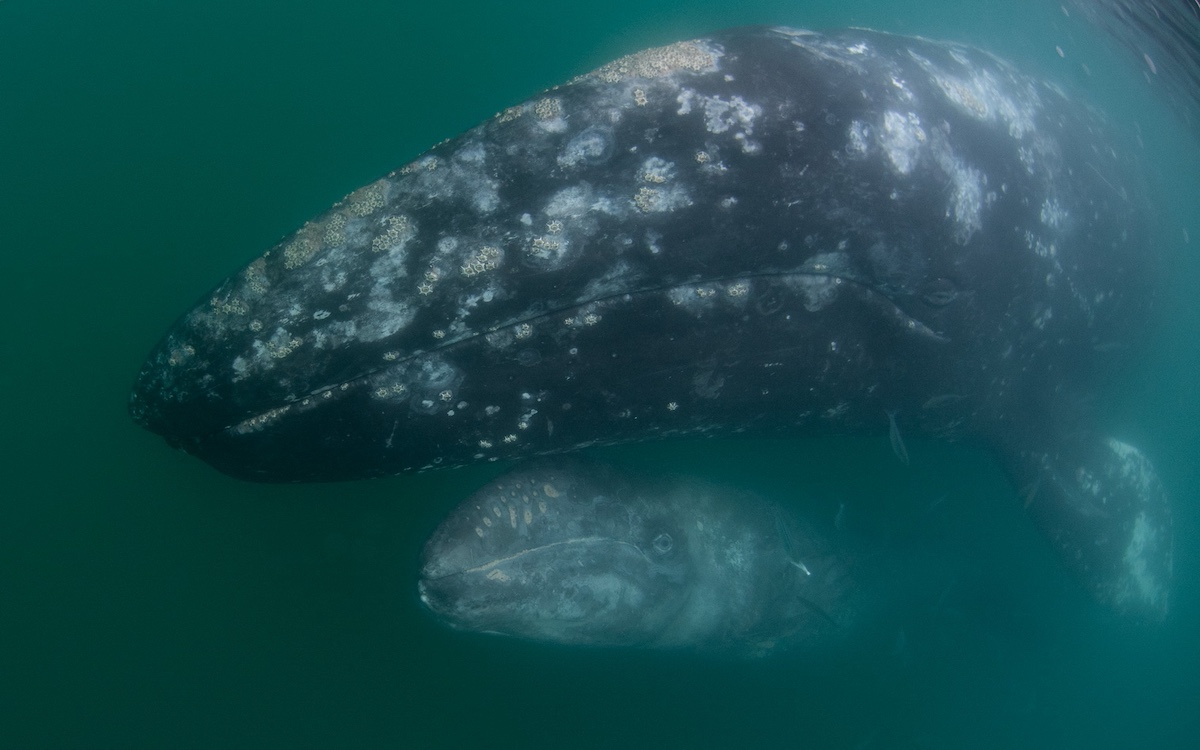
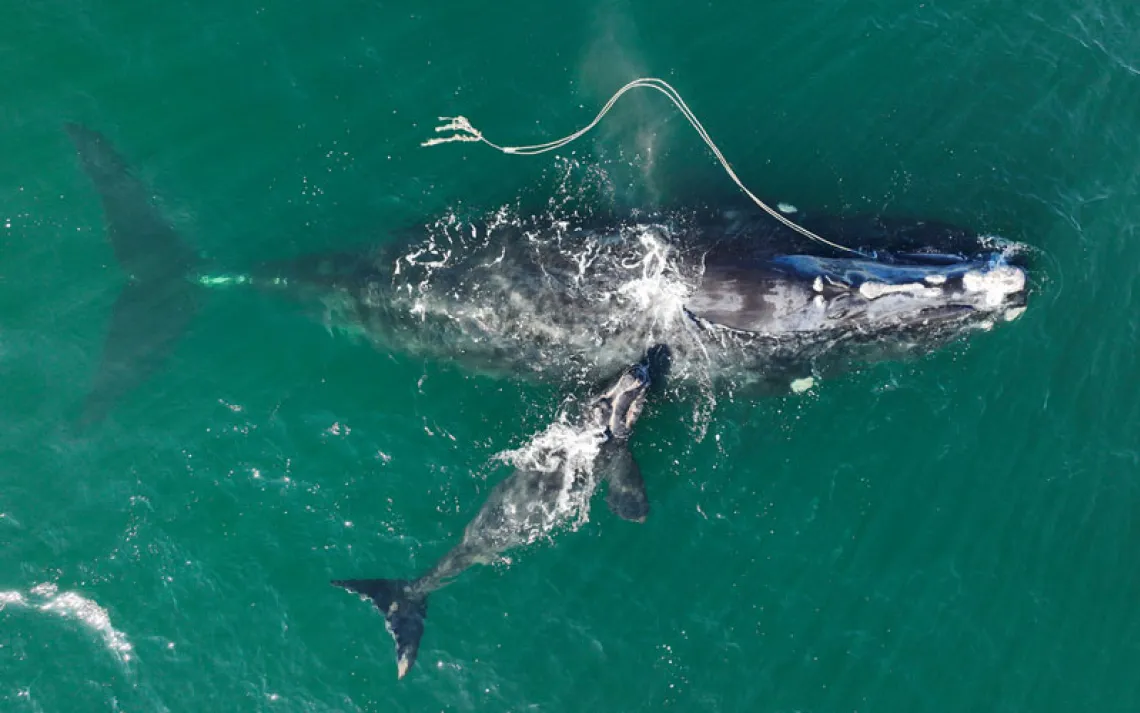
But in 2018, the beloved population plummeted. Dead whales started washing up along the Pacific coast from Mexico to Alaska at alarming rates. The National Oceanic and Atmospheric Administration (NOAA) declared an unusual mortality event for the species, which convened a special scientific task force to monitor the population.
Since then, fewer whales have made it to Baja every year. The ones that do arrive later in the season look skinnier than normal. Experts believe they are starving because their primary food source relies on Arctic ice, which is melting fast. When gray whales linger in feeding grounds too long, they hang around areas of high boat traffic like San Francisco Bay, risking strikes. If they try to journey south without full bellies, they are less likely to make it.
The climate wild card
NOAA lifted its mortality declaration in 2023, citing that stranding numbers had returned to normal, but left the task force intact. Researchers disagreed with the move, insisting that there have been fewer strandings because there are fewer whales left to strand.
Steven Swartz, a researcher for Gray Whale Research in Mexico who is also part of the NOAA task force, has been studying the whales for the past 45 years. At the population’s peak, Swartz’s group regularly counted over 100 mom-calf pairs per season in Laguna San Ignacio. But in the past five years, they’ve seen 20 or fewer. For the 2026 season, Swartz reports grim numbers: “Spoiler alert: We only saw four pairs this year,” he said.
Since 1977, the researchers have relied on a seasonal pattern that only ever varied by a few weeks. “This latest crash, and the wild card of what's happening in the Arctic with climate change, adds a whole new dimension that we're just observing for the first time,” said Swartz.
Without whales in the lagoon, the long and expensive transition to ecotourism might fall apart, and local tour operators risk their livelihoods.
“The first question we asked is: How do you protect the lagoon? We did that. Then, how do you engage people in doing that in a sustainable way? Involve them in eco-tourism,” said Dedina. “And then three: How do you involve the next generation to keep this solution long term? What does this mean in the face of climate change?”
Miguel Gomez, a Baja local, started Blue Bay Tours with his family to run whale-watching tourism in Magdalena Bay. He says they aren’t yet feeling the full weight of the population decline, because tourists who come to see the whales in Magdalena Bay stay to experience other local sites and culture. They don’t mind fewer whales if it also means fewer boats competing to interact with them. “Si hay una o dos ballenas, hay trabajo,” said Gomez. (If there are one or two whales, there is work.)
However, Gomez says the communities feel powerless to help the whales that do arrive, because the problem is unfolding up north. He emphasizes that tour operators understand the whales are struggling and are treating the animals—especially the mom and calf pairs—with lots of respect, giving them space and time to feed and nurse their young.
“Hay que tener más respeto con las ballenas. Hay que aprender a respetarlas y hacer bien el trabajo del avistamiento para que los animales no se sientan acosados,” said Gomez. (You have to have more respect for the whales. You have to learn to respect them and do a good job with the whale watching, so they don’t feel harassed.)
Legacy survivors
Dedina, Swartz, and Gomez have not given up hope. Gray whales, Eschrichtius robustus, evolved during the Pleistocene, an era marked by major highs and lows of glaciation and warming. To survive and compete, the whales developed the ability to feed on both swimming and bottom prey. While they prefer to eat by dredging, they can fish for krill or small bait fish if necessary.
“They can even feed on pelagic red crabs, like they did here in Magdalena last year, which surprised the heck out of everybody,” said Swartz.
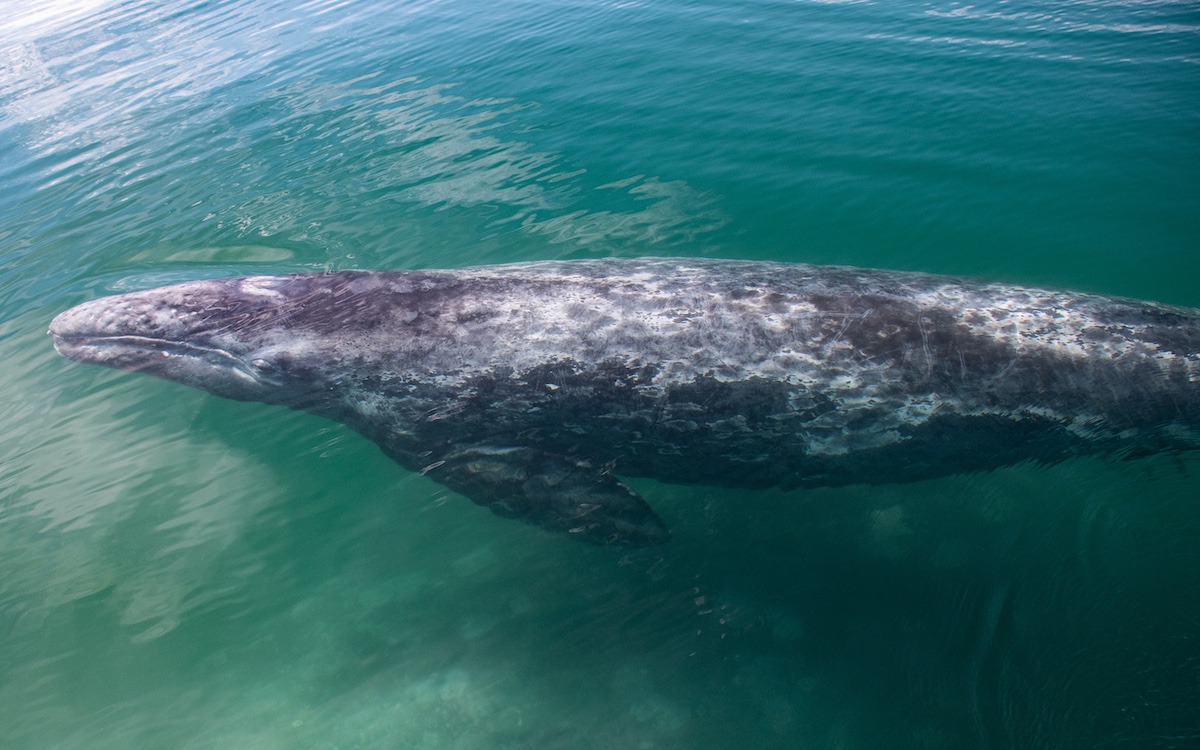
Now, as Swartz and his team review their drone photographs and wrap up the season, they are pleasantly surprised to see that while there are still relatively few mom-calf pairs, they look healthy and well fed. Swartz believes that instead of summering in Arctic waters, these individuals are foraging in alternative locations along their migration route, like Oregon, Washington, or Vancouver Island.
The next few seasons will indicate whether the population is stabilizing at a smaller size or still descending toward extinction. In the meantime, local ecotourism businesses in Baja will still receive tourists, with the caveat that the season might be more unpredictable than usual. For now, though, they aren’t making any drastic changes to their offerings, and visitors can still cross their fingers and watch the horizon for signs of these charismatic giants.
“I think they are robustus for a reason,” said Swartz. “They are survivors. I give them a pretty good chance of hanging in there. I don’t think we are going to lose the gray whale.”