 The Magazine of The Sierra Club
The Deadly Risks of Extreme Heat
Studies show that heat impacts can be widespread
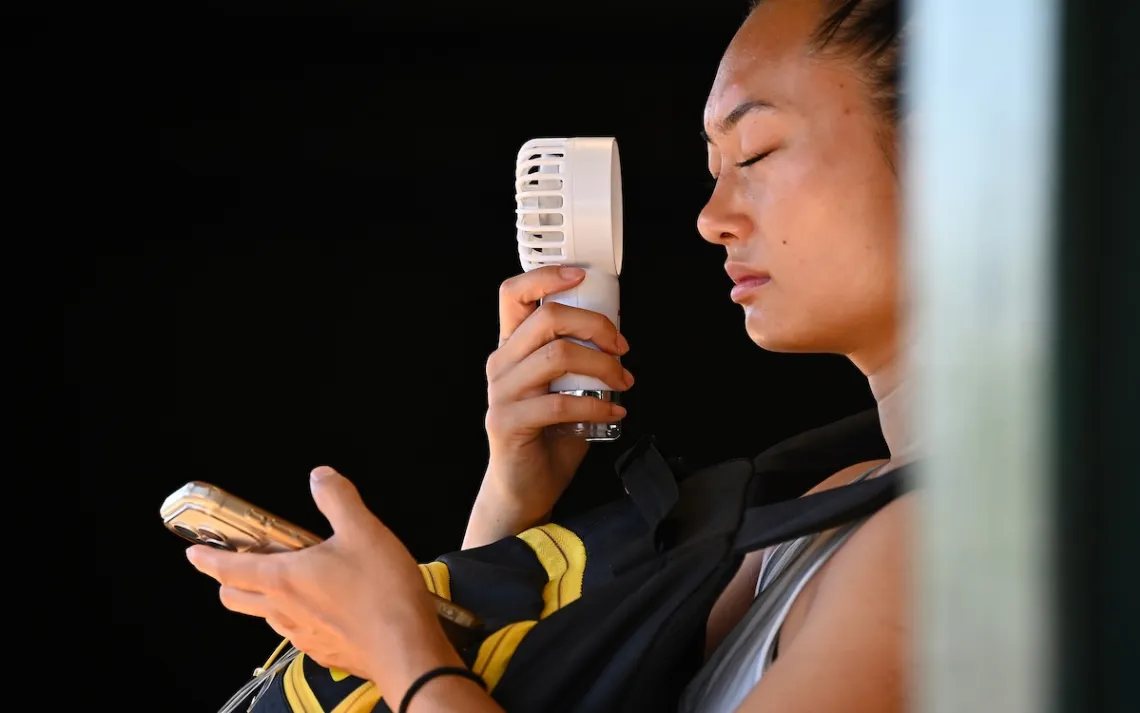
Photo by Anthony Behar/SipaUSA/Sipa via AP Images
In the past two decades, heat-related deaths have surged by 50 percent as the climate warms to unprecedented levels. This July alone, 70 people died in the United States and more than 25,000 in Europe as a result of excess heat. Still, these numbers are drastically undercounted in the US—when people have underlying conditions like cardiovascular disease and diabetes, which are exacerbated by the heat, their death is rarely counted as heat-related.
Many Americans underestimate the risks that extreme heat poses to their health. Recent research published in Nature Communications found that only about 35 percent of Americans say they are moderately or very worried about the risks of extreme heat.
“We as a society just aren’t yet well equipped to handle these extreme heat waves that are happening more and more frequently,” says lead study author Jennifer R. Marlon, a senior research scientist at the Yale School of the Environment.
It’s getting hotter, and fast
Gaps in our understanding of heat risk matter. When people underestimate the dangers, they end up less prepared or they may put themselves in risky situations that expose them to deadly climate conditions.
We’re in a new climate, says Marlon, and when it comes to heat, the impacts can be widespread and difficult to track. According to the study, heat doesn’t have the same kinds of impacts on our economy and infrastructure that other climate-related disasters like wildfires and flooding do. But the impacts are widespread. Heat can impact a population’s ability to exercise, work, and generally enjoy the outdoors.
The study points out similar socioeconomic and health gaps that were present during the pandemic and already prevalent across the United States. For example, gaps in concern and fear are lower in places with more chronic disease, lower education, and lower income, says Justin S. Mankin, a climate scientist at Dartmouth University who was not involved in the study.
“It’s hard for people to be arbiters of what the true risk is, because while we know it’s bad, we don’t yet know how bad,” says Mankin. He adds that for people from lower socioeconomic backgrounds, other concerns come into play, such as paying rent and putting food on the table.
When extreme heat events prompt societal change
Still, our perception of extreme heat events can be rapidly altered based on our exposure to them.
During the extreme heat wave of 2003 in France, nearly 15,000 people died as result of temperatures, which hovered over 100°F for two straight weeks.
“Heat waves, which killed predominately the elderly and the isolated, prompted a host of societal responses including expansions of air conditioning, the expansion of heat action plans, and a new cultural understanding that heat can be deadly,” says Christopher Callahan, a climate scientist at Indiana University who was not involved in the study.
From a health perspective, Europe has a much higher sensitivity to heat because cooling technology like air conditioning has not been traditionally as common as in other regions of the world. In Indiana, which is somewhat comparable to France climate-wise, 95 percent of people have air conditioning versus 25 percent in France.
The more you know
Programs for understanding which populations are more vulnerable to heat and outreaching to them can help reduce the risk.
For example, isolation is the largest contributor to heat-related mortality, especially when those isolated people are immobile and have difficulty getting out of their homes when temperatures become unmanageable. In France, census lists of immobile, elderly, and isolated people allow public health officials to visit homes during heat events to check on the most vulnerable.
Postal workers in France are now the frontline responders to heat waves because they are already going from house to house, which means they come in contact with those who are otherwise isolated and could be vulnerable. They are filling in the gaps and bringing water and fans and potentially helping those who might truly be at risk of dying. A network of 65,000 postal workers embedded in local communities can help to identify people not registered with local authorities.
Making sure that the public knows about cooling centers, which are ultimately public places like libraries or town halls that have air conditioning, is also important, along with providing transportation to those locations for the elderly, immobile, or those who don’t have a car.
The risk to outdoor workers
In the United States, broad sectors such as agriculture have a much higher dependence on outdoor workers. Programs specifically intended to support those groups can help reduce heat-related injury or even death.
The Trump administration and congressional Republications are trying to end such programs, including an effort to cancel federal workplace safety standards that protect outdoor workers from heat. The administration is even trying to prohibit states from imposing worker protections from extreme heat, such as mandates for water and shade breaks for outdoor workers.
Heat can also be correlated to a wide variety of other societal- and health-related harms, such as homicides, suicides, and workplace accidents that all happen much more frequently on hot days. “There are an enormous amount of reasons why people die from heat,” says Callahan. He says that many of them aren’t yet connected to extreme heat when they should be.
“It’s getting hotter, and we’re just not used to the kind of heat we’re experiencing,” says Marlon.